
AI-Generated on Social Media Videos
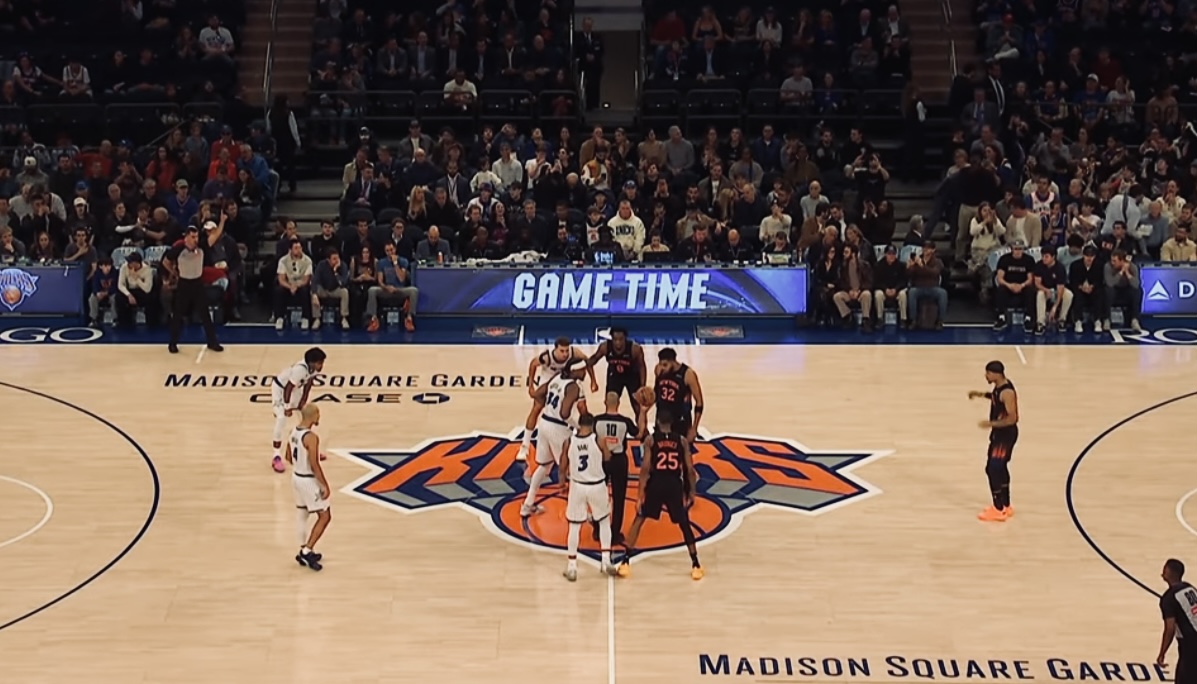
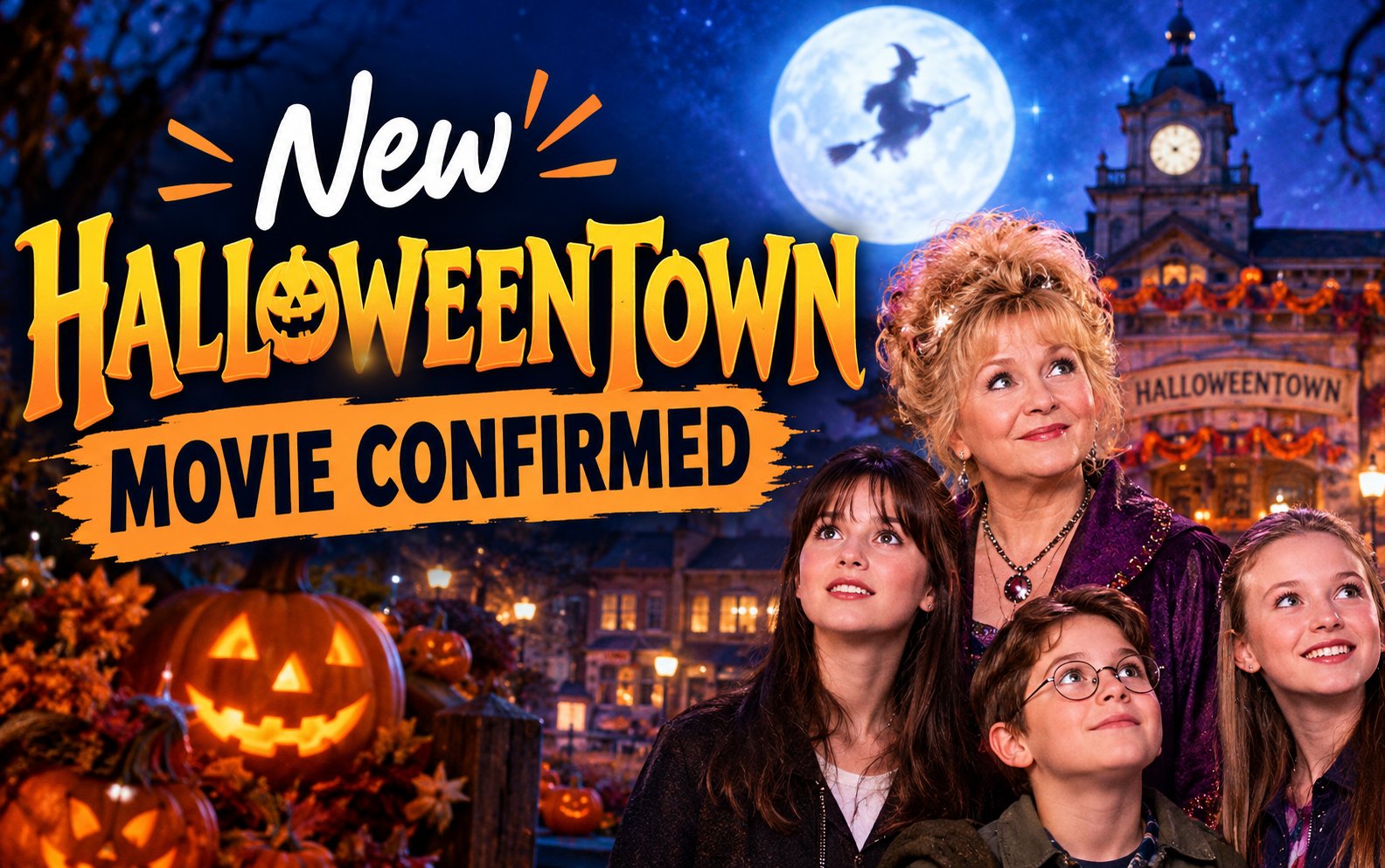
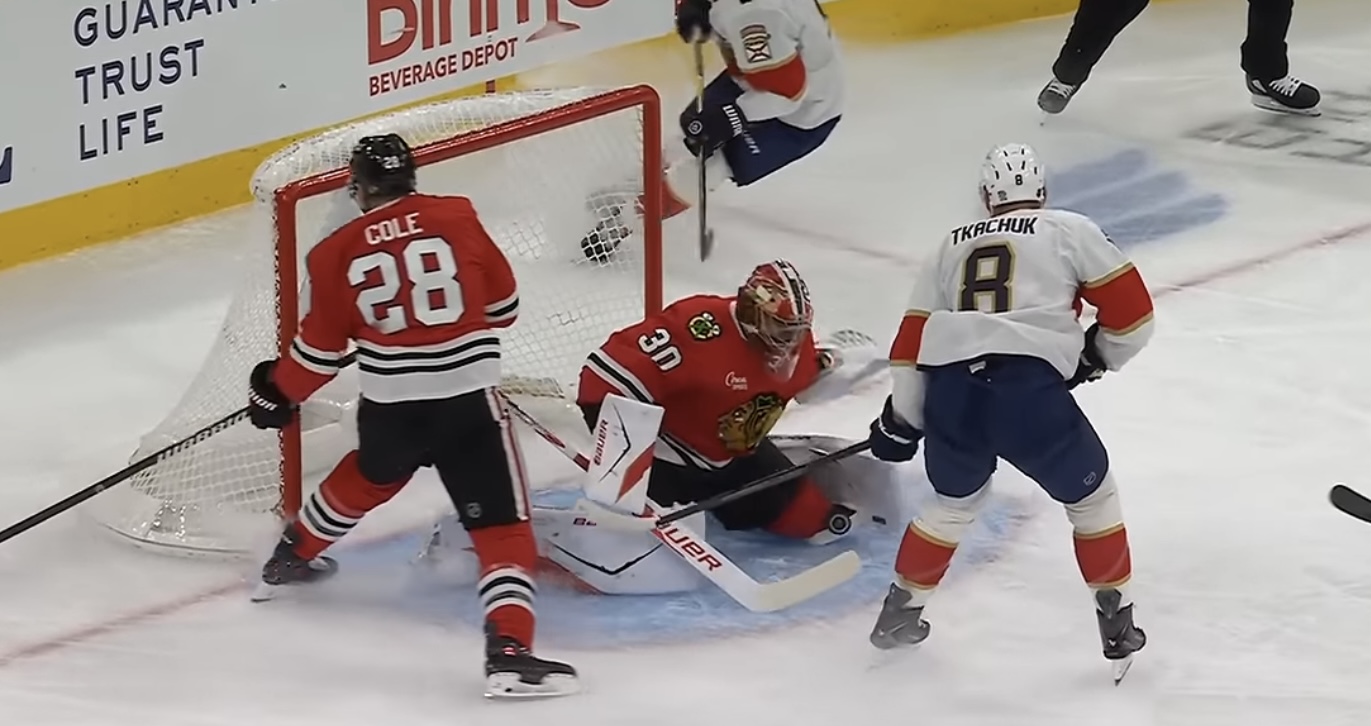
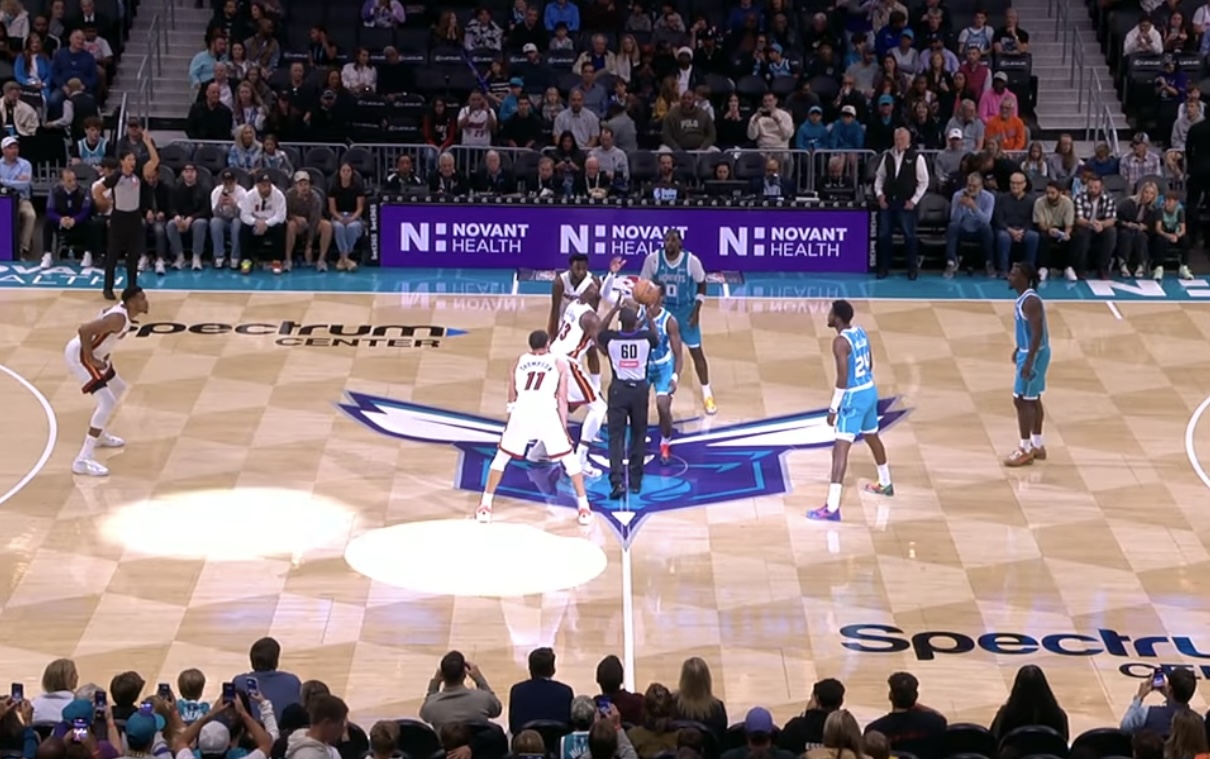
Artificial intelligence video generators developed by companies such as Meta, Google, and OpenAI are rapidly changing the digital landscape. These tools can now create highly realistic video clips complete with lifelike voices, detailed backgrounds, and fluid motion. What once required a full production crew can now be produced with a text prompt and a powerful algorithm. As a result, AI-generated videos are spreading quickly across platforms including Instagram, Facebook, TikTok, and X. The speed and scale of this growth are staggering. AI systems are trained on vast amounts of visual and audio data, allowing them to replicate human expressions, speech patterns, and environmental details with increasing precision. The result is a flood of content where the line between authentic footage and synthetic production is becoming harder to detect.
How the Technology Is Advancing
On the TODAY show, NBC correspondent Vicky Nguyen provided an inside look at how quickly AI video capabilities are evolving. What began as experimental technology capable of producing short, glitch-filled clips has matured into systems that generate convincing, high-resolution video. These advancements are not limited to visual effects. AI can now replicate voices, facial movements, and even emotional nuance with unsettling accuracy. Nguyen’s reporting underscores a serious concern: the same tools used for creative storytelling can also be weaponized for misinformation. Deepfake videos can fabricate events, alter public statements, or convincingly place individuals in situations that never occurred. As these tools become more accessible, the risk of viral deception grows.
Expert Tips for Spotting Fake Videos
Filmmaker and digital effects expert Niko Pueringer of Corridor Digital joined TODAY to share practical guidance on identifying AI-generated content. Pueringer explained that while AI video has become impressively realistic, it still struggles with certain details. One major red flag is unnatural motion. Watch closely for hands, fingers, or hair that move in slightly distorted or inconsistent ways. Physics errors often reveal themselves in subtle glitches, such as objects merging into one another or shadows behaving inconsistently. Lighting inconsistencies and reflections that do not align with their environment are also common giveaways. Audio is another critical clue. AI-generated voices may sound smooth at first, but slight irregularities in pacing, tone shifts, or background noise can expose synthetic origins. If a public figure appears to say something that seems out of character, it is important to verify the clip through reliable reporting before accepting it as genuine.
Context, Metadata, and Verification
Beyond visual and audio analysis, context matters. Authentic videos typically have a traceable origin, whether from a verified account, a reputable newsroom, or a clearly documented event. Suspicious clips often lack clear sourcing, timestamps, or corroborating coverage. Reverse image searches, cross-checking with trusted outlets, and reviewing the account history that posted the content can provide additional insight. Social media platforms are also experimenting with labeling AI-generated media. However, detection systems are not foolproof, and not all synthetic content is labeled. Viewers must rely on critical thinking rather than assuming that everything unmarked is real.
A New Era of Digital Skepticism
The rapid evolution of AI video technology demands a more vigilant audience. As tools from companies like Meta, Google, and OpenAI become more powerful, distinguishing fact from fabrication will require sharper media literacy skills. The responsibility no longer rests solely with platforms and regulators. Individual users must slow down, question what they see, and verify before sharing. In an era where a fabricated clip can travel worldwide in minutes, skepticism is not cynicism. It is digital survival.











































Want to join the conversation?
Create an account or sign in to share your thoughts, vote,
and reply to other readers.
Showing 0 of 0 comments
Don't have an account?
Already have an account?