
The AI Photo Backlash Has Gone Completely Off the Rails
A newly opened San Francisco restaurant has found itself at the center of a heated debate over artificial intelligence after using AI-generated images to advertise its menu. Grind & Unwind, a café and pub located on the city’s iconic Haight Street, drew widespread criticism from customers and social media users after placing a large window display featuring computer-generated pictures of its food and drinks instead of actual photographs.
While the owners intended the images to be a temporary way to showcase their offerings until they could take professional photos (because they are NEW…again, they are NEW), the reaction was swift and overwhelmingly negative, highlighting growing public skepticism toward AI-generated content in businesses that rely heavily on authenticity and trust.
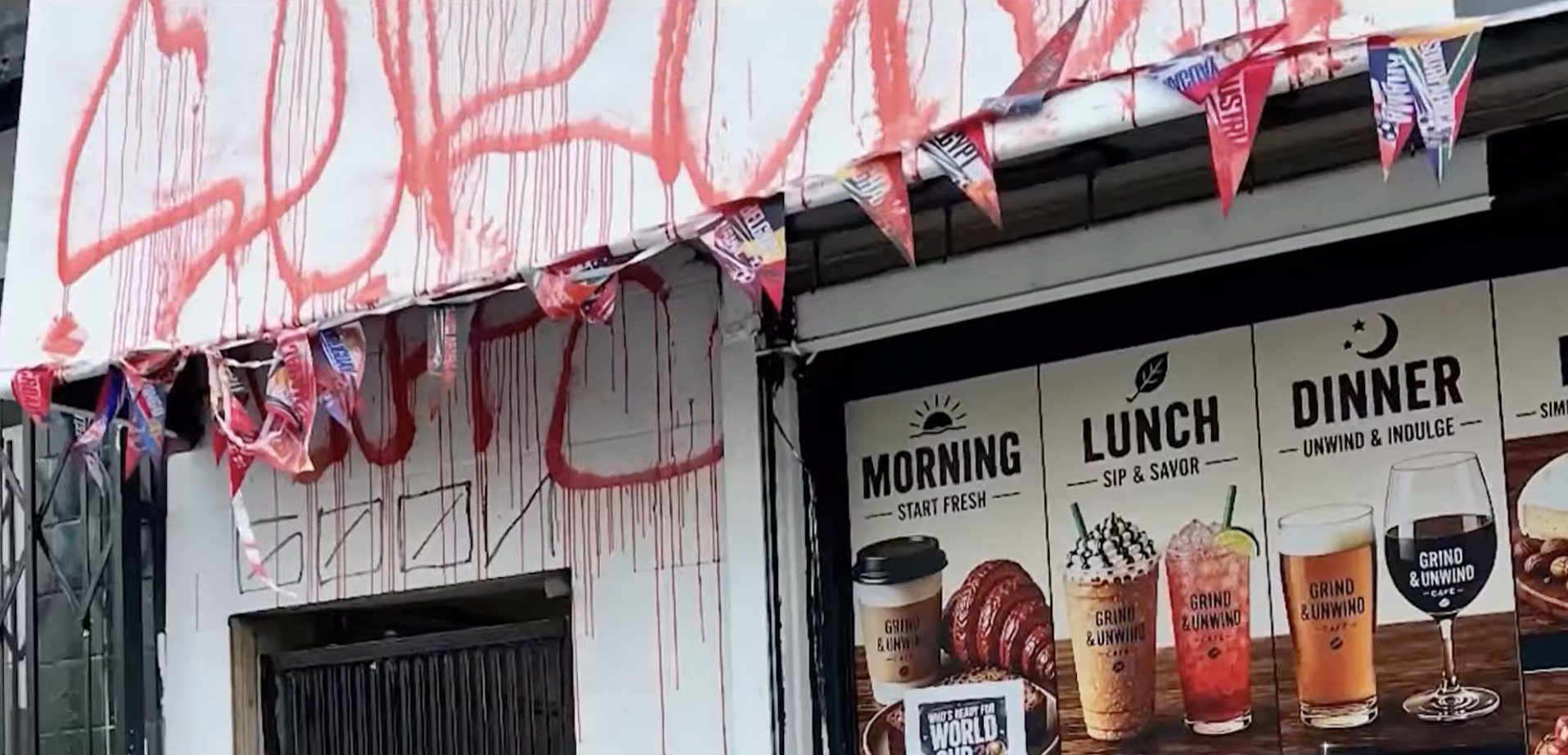
Grind & Unwind opened in May after taking over the former Citrus Club location, a longtime neighborhood favorite. The restaurant is owned by AJ and Lyndsey Lozano, who combined Lyndsey’s experience running a microbakery with AJ’s dream of operating a neighborhood bar. Their concept revolves around serving fresh pastries, coffee, sandwiches, burgers, beer, and cocktails throughout the day. According to the owners, many of their baked goods, including banana bread and chocolate chip cookies, routinely sell out. Ironically, while customers who actually visited the restaurant generally praised the food, the AI-generated promotional images became the story instead.
How and Why Did the Controversy Start?
The controversy exploded after photos of the storefront were shared on Reddit (of course it was Reddit), where users mocked the unrealistic food images. On a side note, the Reddit community is notoriously “angry” when it comes to AI photo creations. Commenters described the AI creations as “slop,” comparing the bread to loofahs, diseased lungs, and even fungus from the video game The Last of Us.
Others argued that using artificial images to represent real food sends the wrong message to customers, suggesting the restaurant was cutting corners before people had even stepped inside. Many users said they would rather see amateur cellphone photos of actual food than polished AI renderings that did not accurately represent what was being served. The criticism spread rapidly across social media, with many arguing that restaurants should showcase real dishes instead of computer-generated artwork.
A Sad World We Live In… From Online Criticism to Actual Vandalization
Unfortunately, the online backlash eventually spilled into the real world. The restaurant’s storefront was vandalized with graffiti that appeared to read “seriously,” prompting the owners to remove the AI display entirely. Lyndsey Lozano expressed surprise at the intensity of the public reaction, saying the images were never meant to deceive anyone and were simply intended as a temporary marketing tool while they got the business off the ground.
After removing the AI artwork, the couple replaced it with displays of their actual pastries in the front window, allowing customers to see the real products instead of digital renderings. They say business has since improved as they focus on building relationships within the neighborhood and letting the quality of their food speak for itself.
*****Editor’s Note*****
Whether the backlash was justified remains a matter of opinion. But personally, I believe the criticism was excessive, especially considering the restaurant never claimed the AI images were real photographs. Others argue that using fabricated food images crosses a line because it creates expectations that cannot be guaranteed. So I ask, how this differs from fast food restaurants “lying” to the public using images that don’t arrive when you order them? The burger at McDonald’s never looks like the photo or commercial. The sub at subway never looks like the photo in the ad. The pizza, with the loooooooooong AF cheese pull never pulls like that when you get the pizza home.
Regardless of where you stand, Grind & Unwind’s experience serves as an early lesson in the age of artificial intelligence: consumers are becoming increasingly sensitive to AI-generated content, and for businesses built on craftsmanship and authenticity, a real photograph may ultimately be worth far more than a perfectly rendered artificial image. And while this may be so, it is wrong to get this butthurt over photos of a cup of coffee.

































Want to join the conversation?
Create an account or sign in to share your thoughts, vote,
and reply to other readers.
Showing 0 of 0 comments
Don't have an account?
Already have an account?