Jared Kushner Phone Hack Scandal: Russian Spies, Alleged $2 Billion Secret Accounts and the National Security Threat to Trump’s White House
An explosive investigation alleges Russian intelligence compromised Jared Kushner’s iPhone before Dutch spies gained access to its screen. The claims, fiercely denied by Trump’s son-in-law, raise troubling questions about foreign surveillance, undisclosed financial dealings, Saudi influence and the security of an American presidency that continues to rely on Kushner for some of its most sensitive diplomatic missions.
WASHINGTON — For years, Jared Kushner has operated at the intersection of American presidential power, Middle Eastern diplomacy and billions of dollars in foreign investment. As President Donald Trump’s son in law, former senior White House adviser and trusted international negotiator, Kushner has enjoyed extraordinary access to the president, foreign heads of state and some of the most consequential decisions in American foreign policy. Now, an explosive investigative report alleges that Russian military intelligence compromised his personal iPhone, potentially exposing sensitive communications to foreign intelligence services while he was helping shape United States policy.
The allegations, published October 22 by Vanity Fair in an excerpt from investigative journalist Matthew Cole’s forthcoming book, Princes and Thieves: Jared Kushner and Mohamed bin Zayed’s Secret Plot to Remake the Middle East, describe an extraordinary intelligence operation involving Russia’s GRU military intelligence agency and the Netherlands’ Military Intelligence and Security Service, known as the MIVD. According to Cole’s account, Dutch intelligence officers discovered that Russian operatives had penetrated Kushner’s phone and subsequently obtained the ability to observe his screen while he used the device.
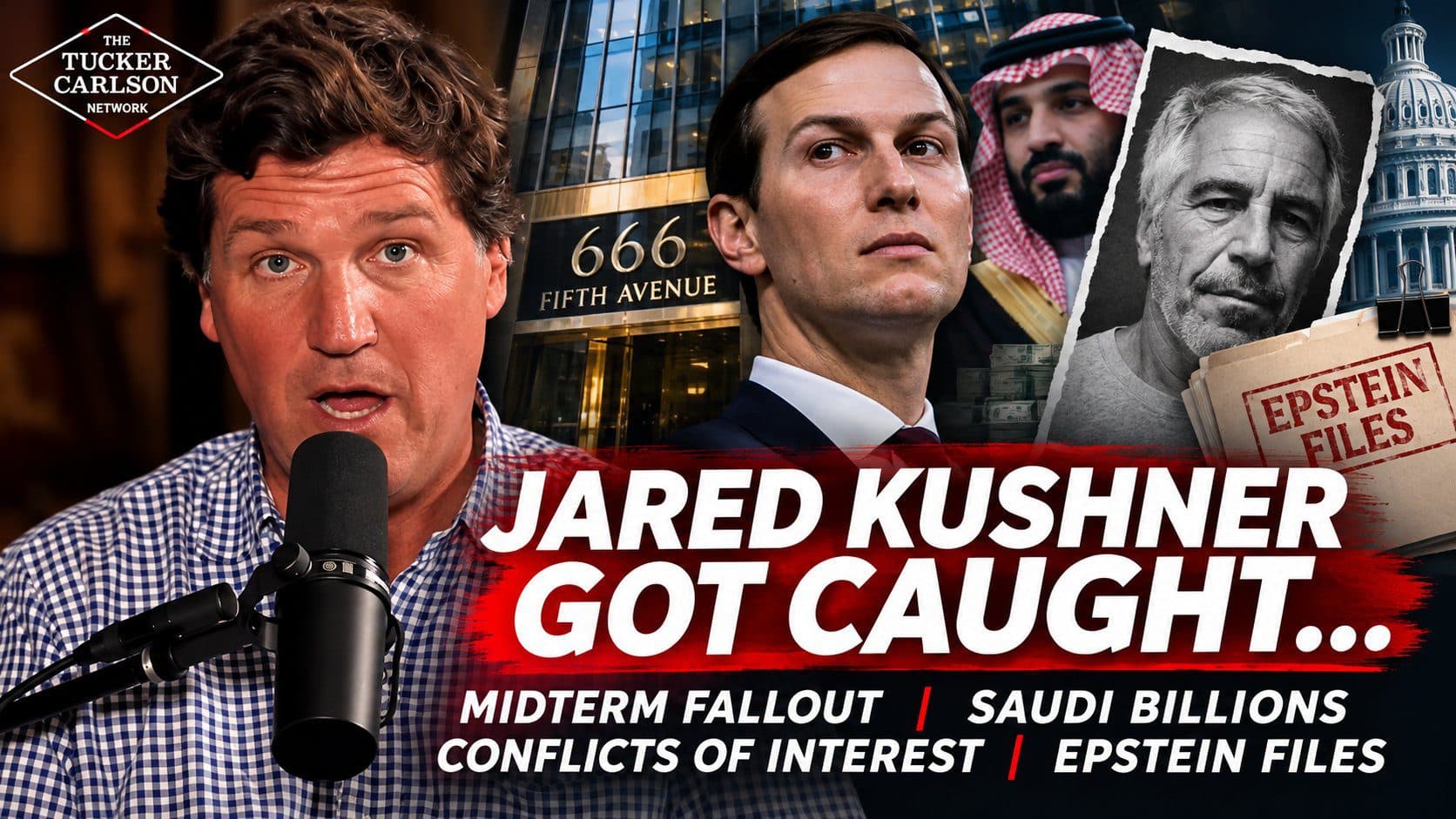
The investigation goes considerably further, alleging that intelligence officers observed Kushner accessing undisclosed financial accounts associated with Saudi and Emirati leaders, involving approximately $2 billion and transactions connected to controversial individuals operating in the Middle East. Kushner has categorically denied the allegations, calling them fabricated, and his attorneys have demanded that the reporting be withdrawn. The most serious claims have not been independently verified through publicly disclosed bank records or intelligence documents.
Yet the allegations arrive against a backdrop of documented financial and political relationships that already raise substantial questions about foreign influence and conflicts of interest. Kushner’s private equity firm, Affinity Partners, received a $2 billion investment commitment from Saudi Arabia’s sovereign wealth fund after he left the first Trump administration. His company subsequently acquired a major stake in an Israeli financial institution with investments in defense contractors, while Kushner returned to diplomatic work involving Gaza, Iran and other international crises.
The resulting national security question extends far beyond whether a personal phone was hacked. It concerns the potential exposure of a presidential confidant whose access to American decision making, foreign governments, private capital and the Trump family makes him an unusually valuable intelligence target.
How Russian Intelligence Allegedly Compromised Kushner’s iPhone
Cole’s investigation traces the alleged surveillance operation to 2017, when Kushner was serving as a senior adviser in Trump’s first White House. According to the reporting, Russian military intelligence had compromised his iPhone and was collecting screenshots from the device, creating a potentially valuable record of activity involving one of the president’s closest advisers.
The Dutch intelligence service reportedly uncovered the operation through a Russian intelligence operative. According to the account, Dutch officials learned that a GRU linked hacker was traveling to the United Kingdom on an espionage assignment. British authorities detained the individual, who subsequently agreed to cooperate with Dutch intelligence rather than face the possibility of prosecution and imprisonment. That cooperation allegedly provided Dutch operatives with access to sensitive Russian intelligence infrastructure. While examining the Russian system, investigators reportedly discovered screenshots originating from Kushner’s iPhone stored on a server in Rostov, Russia.
The discovery was significant because it suggested that Russian intelligence had already established a method of observing information associated with a senior American presidential adviser. Dutch intelligence then reportedly exploited the same vulnerability, gaining direct access to Kushner’s screen in early 2018. According to Cole’s account, Dutch operatives could observe the screen as Kushner used his phone and capture images of his activity. Such access could potentially reveal messages, emails, applications, financial transactions and other information displayed on the device, depending on how the intrusion operated.
The precise technical method has not been independently established, and the reporting does not prove that Russian or Dutch operatives obtained unrestricted access to every file, password or conversation stored on the phone. Screen monitoring can be extraordinarily revealing, but it is not necessarily equivalent to complete control of a device or access to all historical communications.
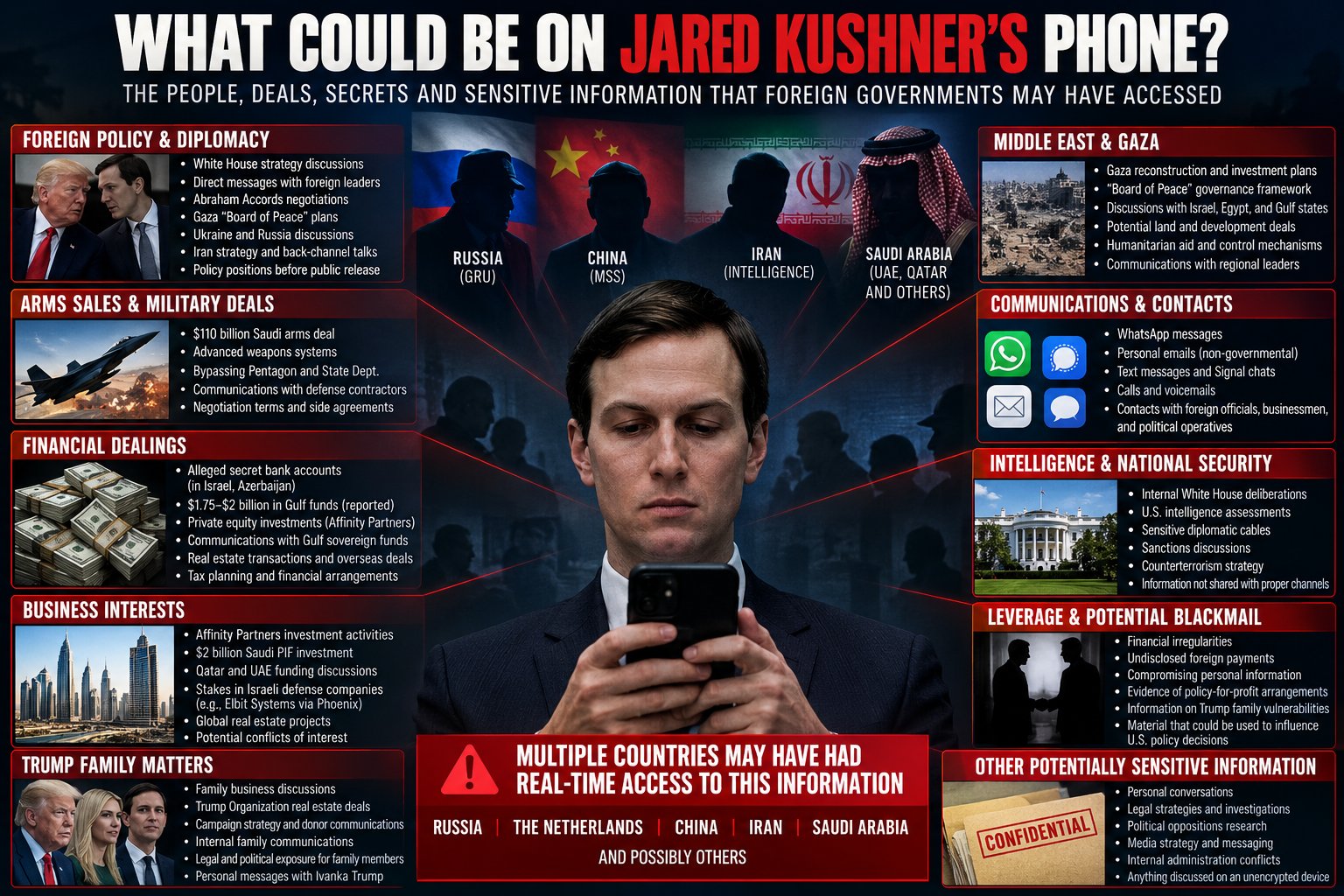
How Long Did Foreign Intelligence Have Access?
One of the most important unresolved issues is the duration of the alleged compromise. Cole’s account places the Russian intrusion in 2017 and describes Dutch intelligence obtaining direct screen visibility in early 2018. That establishes a reported sequence involving two intelligence services, but it does not establish how long either service maintained access or whether the compromise remained active throughout Kushner’s White House tenure.
The distinction is critical. An intrusion lasting several days would present a different exposure from one lasting months or years, particularly given Kushner’s evolving responsibilities and relationships with foreign governments. The published reporting does not provide a verified termination date for the operation. It also does not establish that Kushner’s device remained compromised during Trump’s second presidency or while he participated in diplomatic negotiations in 2025 and 2026.
Dutch intelligence has declined to publicly discuss its operational methods, sources or the extent of its knowledge. American authorities have not publicly released a comprehensive account establishing what, if anything, was compromised. Consequently, claims that foreign governments monitored Kushner continuously for years, obtained every Trump family communication or still possess real time access to his devices go beyond the publicly established evidence. What the allegations describe is a potentially serious historical counterintelligence breach whose duration, contents and consequences remain unresolved.
The Alleged Alpha and Beta Accounts: Nearly $2 Billion in Secret Foreign Funds
The most explosive element of Cole’s investigation concerns alleged financial accounts associated with Kushner and powerful Middle Eastern leaders. According to the Vanity Fair excerpt, Dutch intelligence officers allegedly observed Kushner accessing a bank account in the United Arab Emirates that had received hundreds of millions of dollars routed through a financial institution in Azerbaijan. The reporting claims that the activity was part of a larger network of accounts financed by Saudi and Emirati interests and allegedly used to advance diplomatic and political objectives outside conventional government channels.
The book describes an account identified as Alpha, reportedly containing approximately $750 million and associated with the UAE funded Watani Al Emarat Foundation. Cole alleges that the foundation served as a mechanism for concealing sensitive foreign activities and that Kushner had access to the account.
A second account, identified as Beta, allegedly involved approximately $1 billion connected to Saudi interests and an account associated with Israel’s central bank. The reporting also describes funds moving through Cyprus and references a third account allegedly connected to emergency defense financing for the UAE.
These accounts and their purported purposes remain disputed allegations. The descriptions have not been substantiated here by authenticated bank statements, transaction records or judicial findings, and there is no established basis to treat the alleged account balances as money personally owned by Kushner. The allegations nevertheless describe a potentially extraordinary arrangement: foreign governments allegedly placing substantial sums into accounts that an American presidential adviser could access while conducting sensitive diplomatic negotiations.
If such an arrangement existed, it would raise serious questions about financial disclosure, conflicts of interest, possible foreign influence and the legal authority under which funds were controlled or distributed. Whether any law was violated would depend on facts that have not been established.
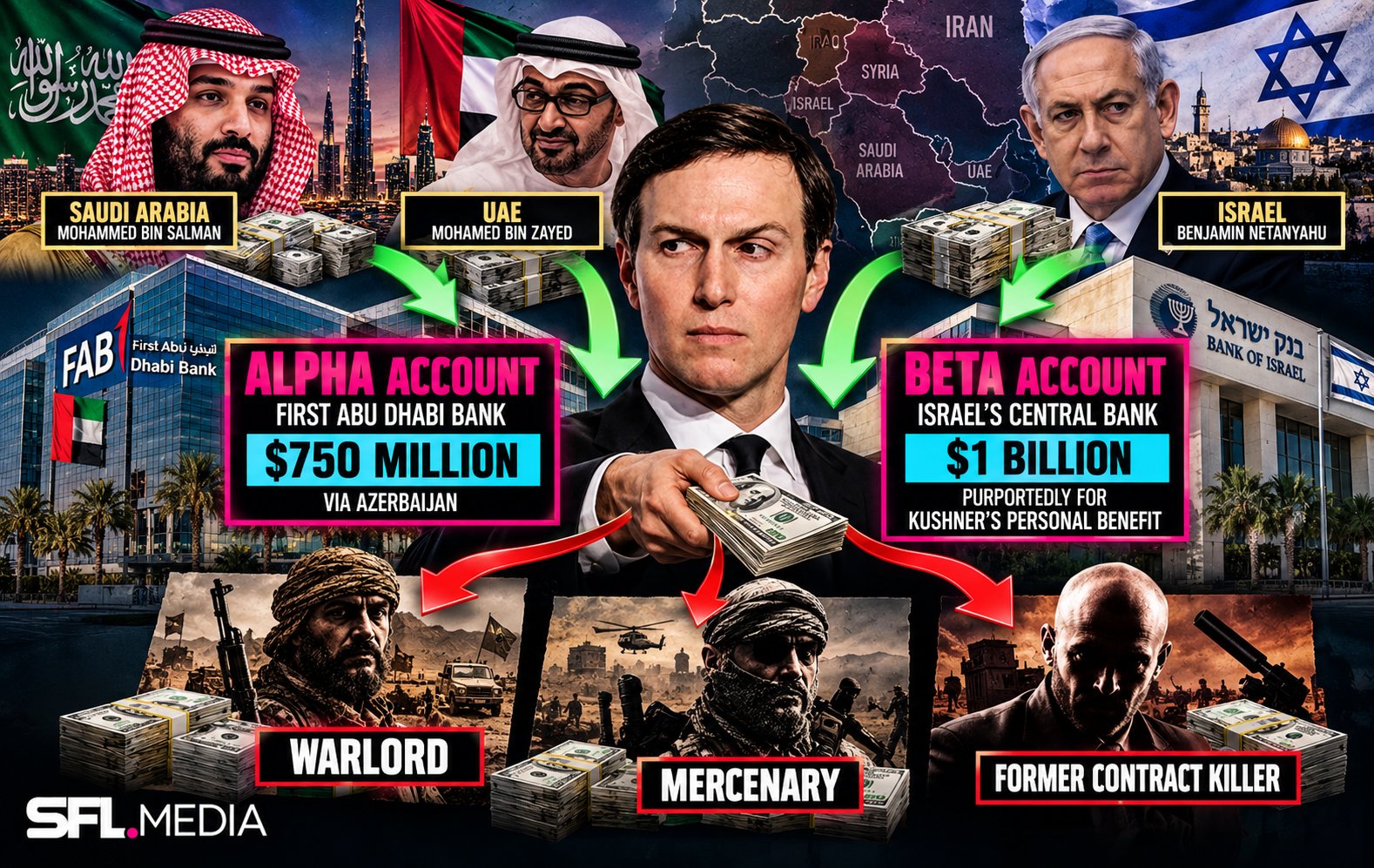
Cole’s account includes another disturbing allegation: that Kushner appeared to direct substantial payments from a Dubai-based account to individuals described as a warlord, a mercenary and a former contract killer. The reporting suggests that the purported transactions were associated with unconventional efforts to influence political and security developments in the Middle East. It also alleges that some of the money was intended to advance diplomatic objectives connected to normalization between Israel and Arab governments.
Those claims, if substantiated, would raise questions far beyond ordinary financial disclosure. Payments involving armed actors, mercenaries or individuals connected to political violence could warrant scrutiny of their purpose, legal authorization and potential implications for American foreign policy.
However, the published allegations do not establish that Kushner personally made illegal payments, financed violence or knowingly participated in criminal conduct. The identity, role and legal status of each purported recipient would need to be established independently, along with the authenticity and purpose of any transaction. The distinction is essential because allegations involving violent intermediaries are particularly serious and carry substantial reputational and legal consequences.
Kushner’s Denial and the Threat of Legal Action
Kushner has rejected Cole’s allegations in unusually forceful terms, maintaining that the described financial arrangements never existed and that the author failed to produce documentation supporting the accusations. In a public statement responding to the Vanity Fair excerpt, Kushner described the allegations as completely false and challenged the absence of bank statements, wire records, account numbers and transaction dates that could independently substantiate the claims. He also pointed to the intense scrutiny he received during his White House service, including congressional investigations and testimony, arguing that the alleged misconduct had never surfaced because it had not occurred.
His attorneys subsequently sent a formal demand to Condé Nast, the publisher of Vanity Fair, seeking removal of the excerpt and preservation of records related to its reporting and editorial review. The legal response specifically denies that Kushner was a signatory to or had access to the alleged Alpha account at First Abu Dhabi Bank. His representatives also deny that he maintained the alleged accounts involving Israel or Cyprus, received undisclosed funds from foreign governments or exchanged American policy influence for personal financial benefit.
The White House has also attacked the reporting, describing the book’s allegations as fiction and criticizing their reliance on unnamed sources. CBS News, in its October 23 coverage, explicitly stated that it had not independently verified the Vanity Fair allegations. No public court ruling has established the truth of Cole’s financial claims, and the existence of a legal demand does not itself resolve the factual dispute. The phone surveillance allegations and the secret-account allegations must therefore be assessed separately. Evidence that an intelligence service accessed a device would not automatically authenticate every financial allegation attributed to information supposedly obtained through that access.
The $2 Billion Saudi Investment That Is Documented
While Kushner disputes the existence of secret foreign accounts, there is no comparable dispute about his firm’s enormous financial relationship with Saudi Arabia. After leaving the White House in January 2021, Kushner established the investment business that became Affinity Partners. Within months, the Saudi Public Investment Fund, the kingdom’s sovereign wealth fund, committed $2 billion to the newly formed operation, despite concerns raised by the fund’s own investment advisers.
The investment was particularly controversial because Kushner had developed a close working relationship with Saudi Crown Prince Mohammed bin Salman while serving in the White House. According to reporting by The New York Times, the Saudi investment review panel raised concerns about Affinity’s limited experience, operational readiness, proposed fees and the substantial financial risk the kingdom would assume. Those objections were ultimately overridden by the fund’s leadership.
The arrangement subsequently attracted congressional scrutiny. In June 2022, the House Committee on Oversight and Reform launched an investigation into whether Kushner’s government relationships had improperly influenced American policy or created opportunities for personal financial gain. Congressional investigators estimated that the Saudi commitment could generate approximately $25 million annually in management fees for Affinity, in addition to potential investment profits. That figure represented an estimated fee stream to the firm, not proof of Kushner’s personal annual income.
The timing and scale of the investment remain important because they illustrate the extraordinary financial opportunities available to a former presidential adviser who maintained close relationships with foreign governments. The Saudi investment does not establish that Kushner accepted bribes or acted unlawfully, but it creates legitimate questions about conflicts of interest when he subsequently returns to negotiations involving governments that finance his business.
Saudi Arms Sales, Jamal Khashoggi and the Crown Prince
Kushner’s relationship with Saudi Arabia began well before Affinity Partners received its multibillion-dollar investment. During Trump’s first administration, Kushner became an important intermediary between the White House and Saudi leadership, helping develop a relationship that influenced arms sales, regional diplomacy and the administration’s approach to Iran.
In May 2017, the Trump administration announced approximately $110 billion in proposed immediate arms sales and related defense commitments involving Saudi Arabia, presenting the arrangement as a major strategic and economic achievement. Kushner was closely involved in the administration’s relationship with the kingdom, although the headline figure did not represent $110 billion in completed weapons deliveries, and individual sales remained subject to applicable approval and oversight processes.
The relationship became increasingly controversial following the October 2018 murder of Washington Post columnist Jamal Khashoggi inside the Saudi consulate in Istanbul. American intelligence subsequently assessed that Crown Prince Mohammed bin Salman approved an operation to capture or kill Khashoggi, a conclusion rejected by Saudi authorities. Despite the international backlash, Kushner remained an important channel between Trump and Saudi leadership.
The significance of the alleged phone compromise becomes apparent when viewed against this timeline. Russian intelligence reportedly gained access to Kushner’s device in 2017, the same year the administration announced its major Saudi defense initiative. Dutch intelligence allegedly obtained screen visibility in early 2018, before Khashoggi’s murder and during a period when Kushner was deeply involved in Middle Eastern diplomacy. If either intelligence service intercepted relevant communications, it could potentially have gained insight into American negotiating positions and relationships with Saudi leadership. The published reporting, however, does not establish that specific arms-sale discussions or Khashoggi-related communications were captured.
The Saudi Nuclear Deal and Kushner Family Business Interests
Another important chapter involves the Trump administration’s consideration of nuclear technology cooperation with Saudi Arabia. Congressional investigators previously examined concerns that administration officials were advancing proposals involving the transfer of sensitive American nuclear technology despite objections from national security professionals.
A 2022 House Oversight investigation highlighted Kushner’s involvement in the administration’s Saudi nuclear discussions and raised questions about the potential relationship between those initiatives and private financial interests. Investigators also examined Brookfield Asset Management’s involvement in a transaction that provided financial relief to a troubled property associated with Kushner Companies, the family real estate business.
Those developments did not establish that Kushner traded nuclear policy for financial assistance. They did, however, demonstrate why lawmakers were concerned about the overlap between foreign policy decisions and private financial relationships involving the president’s family. That overlap is especially relevant to counterintelligence. Information about a senior adviser’s financial pressures, private business relationships or confidential dealings can be valuable to foreign intelligence services, even when the underlying transactions are lawful.
The Abraham Accords and Kushner’s Expanding Diplomatic Influence
Kushner was also a central figure in the Abraham Accords, the Trump administration’s diplomatic initiative that produced normalization agreements between Israel and several Arab governments beginning in 2020. The agreements represented a major foreign policy achievement for the administration and reflected Kushner’s ability to work directly with regional leaders outside some of the traditional diplomatic structures.
His relationships with Mohammed bin Salman and UAE leader Mohamed bin Zayed were particularly important to his regional strategy. The UAE became one of the principal participants in normalization with Israel, while Saudi Arabia remained a central diplomatic objective. Cole’s allegations place the purported secret financial accounts within this broader diplomatic environment, suggesting that undisclosed funds were allegedly used to pursue political objectives. Those claims remain unverified and disputed, and there is no established evidence that the Abraham Accords were secured through illegal payments directed by Kushner.
Nevertheless, the combination of sensitive negotiations, direct access to foreign leaders and alleged surveillance illustrates why a compromised device belonging to a senior presidential adviser would represent a potentially serious security failure.
Gaza’s Board of Peace: Kushner Returns to International Power
Kushner’s influence has continued into Trump’s second administration, particularly through his involvement in the president’s Gaza peace and reconstruction framework. In January 2026, the White House formally announced Kushner’s appointment to the founding Executive Board of Trump’s Board of Peace, alongside Secretary of State Marco Rubio, special envoy Steve Witkoff, former British Prime Minister Tony Blair and other international figures. Kushner was also named to the separate Gaza Executive Board, which includes representatives and officials associated with several Middle Eastern governments.
The administration describes the initiative as a mechanism for overseeing Gaza’s stabilization, reconstruction, investment attraction and long-term governance. Its responsibilities include coordinating international resources and supporting the implementation of Trump’s broader peace framework.
The significance of Kushner’s appointment is difficult to overstate. He is helping shape diplomatic and reconstruction arrangements in a region where his private investment firm maintains substantial financial relationships with sovereign investors. His position places him at the intersection of government negotiations, international financing and decisions that could affect the future economic development of Gaza.
The Board of Peace is an official initiative, not simply a private venture. Kushner’s participation is publicly documented, and his appointment does not establish wrongdoing. But the combination of public responsibilities and private investments creates legitimate questions about financial transparency, conflict management and the safeguards governing his diplomatic activities.
An Israeli Investment With Connections to the Defense Industry
Kushner’s private investment activities have also attracted scrutiny because of Affinity Partners’ stake in Phoenix Financial, a major Israeli financial institution.
An October 2026 CNN investigation found that Affinity had become Phoenix’s largest shareholder after acquiring an initial stake in 2024 and increasing its position shortly before Trump returned to the presidency in January 2025. CNN examined Israeli financial records and identified at least nine companies in Phoenix’s investment portfolio that supplied equipment or services to Israel’s military, including Elbit Systems, one of the country’s largest defense manufacturers.
According to CNN, Phoenix held investments worth more than $456 million across the identified companies. Affinity did not directly own those nine defense businesses, and Kushner’s attorney said he did not control Phoenix’s individual investment decisions. The financial connection is therefore indirect, through Affinity’s ownership interest in Phoenix.
The relationship nevertheless raises questions because Kushner has participated in diplomatic efforts involving conflicts in which Israeli defense companies have significant commercial interests. A financial institution’s investment gains do not automatically translate into equivalent profits for every shareholder, and the available evidence does not establish that Kushner influenced diplomatic decisions to benefit his portfolio.
But the appearance of competing interests is substantial enough to warrant scrutiny, particularly when a private investor participates in negotiations involving the same region in which his firm maintains valuable commercial interests.
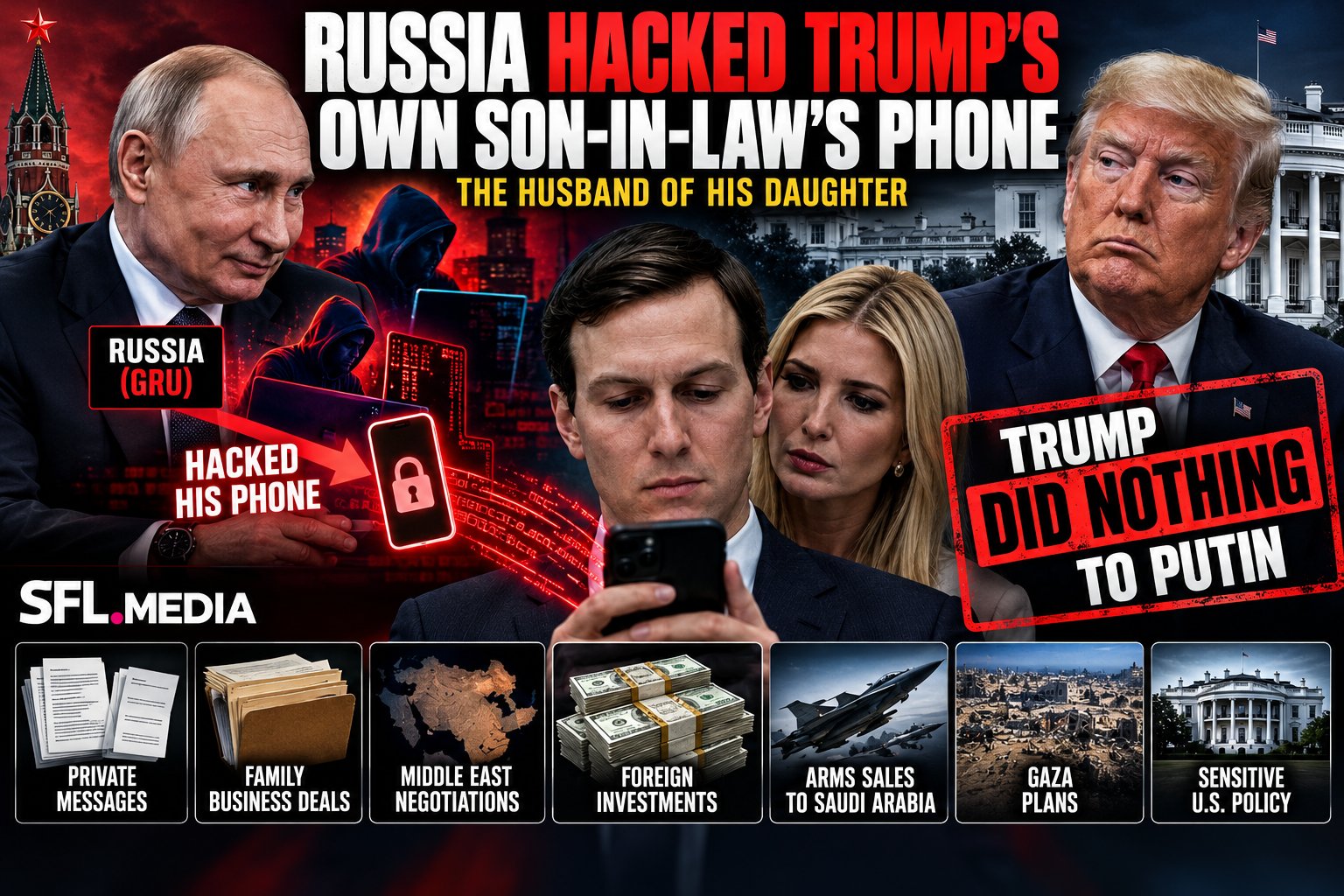
The Trump Family Connection: Why Kushner Is an Exceptional Intelligence Target
Kushner’s importance to foreign intelligence agencies extends beyond his official responsibilities. He is married to Ivanka Trump, has been deeply involved in the family’s political operations and has maintained direct access to Donald Trump throughout his presidency and political career.
During Trump’s first administration, Kushner held responsibilities spanning Middle Eastern diplomacy, criminal justice reform, government modernization and political strategy. His influence often reflected his personal relationship with the president rather than the limits of a conventional bureaucratic position. That distinction matters enormously in intelligence operations. Foreign governments seeking insight into an American president may find a trusted family member or adviser especially valuable because such individuals can have access to candid conversations, personal relationships and decision-making processes that do not always appear in formal government communications.
A successful compromise of Kushner’s device could potentially expose information about his interactions with Trump, Ivanka Trump, other family members, political advisers, business associates and foreign leaders. It might also reveal information about internal disagreements, diplomatic priorities or financial relationships that would be valuable to an intelligence service attempting to anticipate American policy.
However, the existence of a compromised device does not establish that Russian or Dutch intelligence obtained comprehensive records of the Trump family’s finances, private conversations or political activities. The extent of any exposure would depend on the actual content accessible through the device and the duration of the alleged operation. The broader concern is that Kushner’s position makes him an unusually attractive intelligence target precisely because his influence crosses the boundaries between government, family and private business.
The Blackmail Question: Could Foreign Governments Exploit What They Learned?
The most troubling national security implication involves the possibility of foreign leverage. Intelligence services routinely seek information that can help them predict decisions, influence negotiations or identify vulnerabilities among powerful individuals. If a foreign intelligence agency obtained confidential communications involving Kushner’s diplomatic work, it could potentially use that information to anticipate American negotiating positions or understand internal White House disagreements. If the agency also possessed authentic evidence of undisclosed financial arrangements or other compromising conduct, that material could theoretically create opportunities for coercion.
But there is a crucial distinction between the existence of a vulnerability and proof that the vulnerability was exploited. No verified public evidence currently establishes that Russia, the Netherlands, Saudi Arabia, Israel or another government blackmailed Kushner using information from the alleged phone compromise. Nor is there verified evidence that Trump changed American foreign policy because a foreign government threatened to release intercepted communications.
The danger is therefore a potential counterintelligence exposure, not an established case of foreign control over the presidency. That does not make the issue insignificant. It means investigators must determine what information was actually obtained, who possessed it, whether it was shared and whether any government attempted to exploit it.
Could Russia Have Shared Kushner’s Communications With Other Governments?
Intelligence obtained through cyberespionage can remain valuable long after an intrusion ends. Foreign services may preserve intercepted material, compare it with other intelligence holdings or selectively disclose information to advance diplomatic objectives. If Russia successfully compromised Kushner’s phone, it could potentially have retained material collected during the operation. If Dutch intelligence separately obtained access, it may have collected its own records. But the published allegations do not establish that either government distributed Kushner’s communications to additional countries.
Claims that Saudi Arabia, the UAE, Israel, China, Iran or other governments possess complete archives of Kushner’s private communications remain speculative. The possibility of intelligence sharing deserves investigation, but it cannot be presented as an established fact without supporting evidence. The distinction is especially important because foreign intelligence agencies may gain considerable strategic value simply by understanding another government’s intentions. They do not need to possess compromising personal secrets or engage in blackmail to benefit from intercepted diplomatic information.
What Did American Intelligence Know, and When Did It Know It?
Perhaps the most consequential unresolved issue concerns the response of American intelligence and counterintelligence authorities. If Russian military intelligence compromised the personal device of a senior White House adviser, investigators would need to determine whether the intrusion was detected, whether American authorities received information from allied services and whether steps were taken to contain the breach.
The alleged Dutch involvement raises additional questions. The Netherlands is a NATO ally and an important intelligence partner of the United States. If Dutch operatives discovered a Russian intrusion involving a senior American official, the timing and extent of any intelligence sharing would be highly relevant to assessing the American government’s response.
The published reporting does not establish whether American authorities were notified, whether a formal damage assessment was conducted or whether sensitive communications were determined to have been exposed. These unanswered questions are particularly important because Kushner continues to participate in sensitive diplomatic activity. Establishing whether the alleged historical compromise was contained would help determine whether it presents any continuing operational risk.
The National Security Problem Is Bigger Than One Phone
The Kushner controversy illustrates a broader vulnerability in a presidency that places extraordinary authority in a small circle of trusted personal advisers. Traditional government institutions operate with security protocols, recordkeeping requirements, financial disclosure rules and oversight mechanisms intended to protect sensitive information and limit conflicts of interest. Those systems are imperfect, but they provide a framework for accountability.
When major diplomatic responsibilities are assigned to individuals who simultaneously maintain substantial private financial interests and close personal relationships with the president, those safeguards can become more difficult to evaluate and enforce. Kushner’s documented financial relationships with Gulf governments, his indirect investment exposure to Israeli defense businesses and his continuing role in Middle East diplomacy create a complicated web of interests even without accepting Cole’s allegations about secret accounts.
The alleged Russian and Dutch surveillance adds a potentially serious counterintelligence dimension. If a foreign intelligence service obtained confidential information from someone occupying such a central position, the resulting exposure could extend into multiple areas of American policy and presidential decision making. That possibility warrants serious investigation, but the evidence currently available does not establish that the Trump family has been comprehensively compromised or that the United States is incapable of conducting independent foreign policy.
The Unanswered Questions Congress and Intelligence Officials Must Confront
The reporting leaves fundamental questions unresolved about the alleged Russian intrusion, the claimed Dutch intelligence operation and the financial allegations at the center of Cole’s investigation. American authorities have not publicly established the full scope or duration of the reported surveillance, identified the categories of information allegedly exposed or explained whether the operation was investigated and contained.
The financial allegations also require independent corroboration. Authentic bank records, account ownership documents, transaction histories and evidence establishing who controlled the purported funds would be necessary to evaluate claims involving billions of dollars and payments to controversial foreign actors.
Separately, the administration faces legitimate questions about the safeguards governing Kushner’s current diplomatic responsibilities. His publicly documented relationships with Saudi investors, Israeli financial interests and Middle Eastern governments make financial disclosure and conflict-of-interest protections especially important.
Congressional oversight and independent reporting could help establish whether the alleged phone compromise represented an actual intelligence breach, whether sensitive government information was exposed and whether appropriate security measures remain in place.
The Bottom Line: A Potential Intelligence Disaster at the Center of Presidential Power
Matthew Cole’s investigation presents an extraordinary allegation: that Russian intelligence compromised the phone of one of Trump’s closest advisers and that Dutch intelligence subsequently gained the ability to observe his activity, potentially exposing sensitive communications and purported financial arrangements involving powerful foreign governments.
Kushner has categorically denied the allegations, and the most explosive financial claims remain unverified. Those limitations are central to any responsible assessment of the controversy. But the documented record surrounding Kushner’s political and financial career makes the national security implications impossible to dismiss. His close relationship with Trump, involvement in major Saudi arms and diplomatic initiatives, $2 billion Saudi-backed investment firm, indirect exposure to Israeli defense businesses and continuing responsibilities in Gaza diplomacy place him at an unusually sensitive intersection of American power and foreign financial interests.
If foreign intelligence services successfully penetrated his personal communications, the potential consequences could reach well beyond Kushner himself. They could involve American negotiating positions, confidential diplomatic relationships and information about the president’s closest advisers. The central question is no longer simply whether a senior presidential adviser used a vulnerable personal device. It is whether foreign intelligence agencies obtained information from one of the most influential people in Trump’s political and family network and whether American authorities fully understand the potential consequences.
The American public deserves to know whether one of the president’s most trusted advisers was compromised by foreign intelligence, what information may have been exposed and whether the government has taken sufficient steps to protect its decision-making from foreign exploitation. Until those questions are answered, the allegations remain disputed, but the potential national security implications demand scrutiny.

Sources and Further Reading
-
Vanity Fair — Matthew Cole’s investigation into Kushner’s alleged hacked phone and secret financial arrangements (October 22, 2026).
-
CBS News — Kushner denies hacked-phone and billion-dollar financial allegations (October 23, 2026).
-
NL Times — Dutch intelligence service allegedly monitored Kushner’s phone (October 23, 2026).
-
TheWrap — Kushner’s lawyers demand removal of Vanity Fair excerpt (October 24, 2026).
-
U.S. House Oversight Committee — Investigation of Saudi Arabia’s $2 billion investment in Affinity Partners (June 2, 2022).
-
The New York Times — Saudi investment fund advisers raised objections to Kushner’s $2 billion deal (April 2022, syndicated report).
-
CNN Investigation — Kushner’s investment firm and Israeli military-linked companies (October 1, 2026).
-
The White House — Official announcement of the Board of Peace and Gaza Executive Board appointments (January 16, 2026).
-
CBS News — Structure, responsibilities and financing of Trump’s Board of Peace (January 2026).
-
The Washington Post — Trump, Kushner and their financial relationships with Saudi Arabia (February 12, 2023).
For continuing coverage of the Trump administration, Jared Kushner, presidential accountability and foreign influence, visit SFL Media — News, Politics and Investigative Reporting.













Loading comments…