
Tesla Cybercabs Face Federal Audit
Tesla’s new Cybercabs are facing federal scrutiny just days after the company began putting the autonomous vehicles into commercial service in Austin, Texas. The National Highway Traffic Safety Administration opened an audit into Tesla’s certification of the Cybercab on September 4, one day after the vehicles began carrying passengers in Austin. The agency is examining the process and technical information Tesla used to determine that the Cybercab complies with applicable federal motor vehicle safety standards.
A Vehicle Without A Steering Wheel
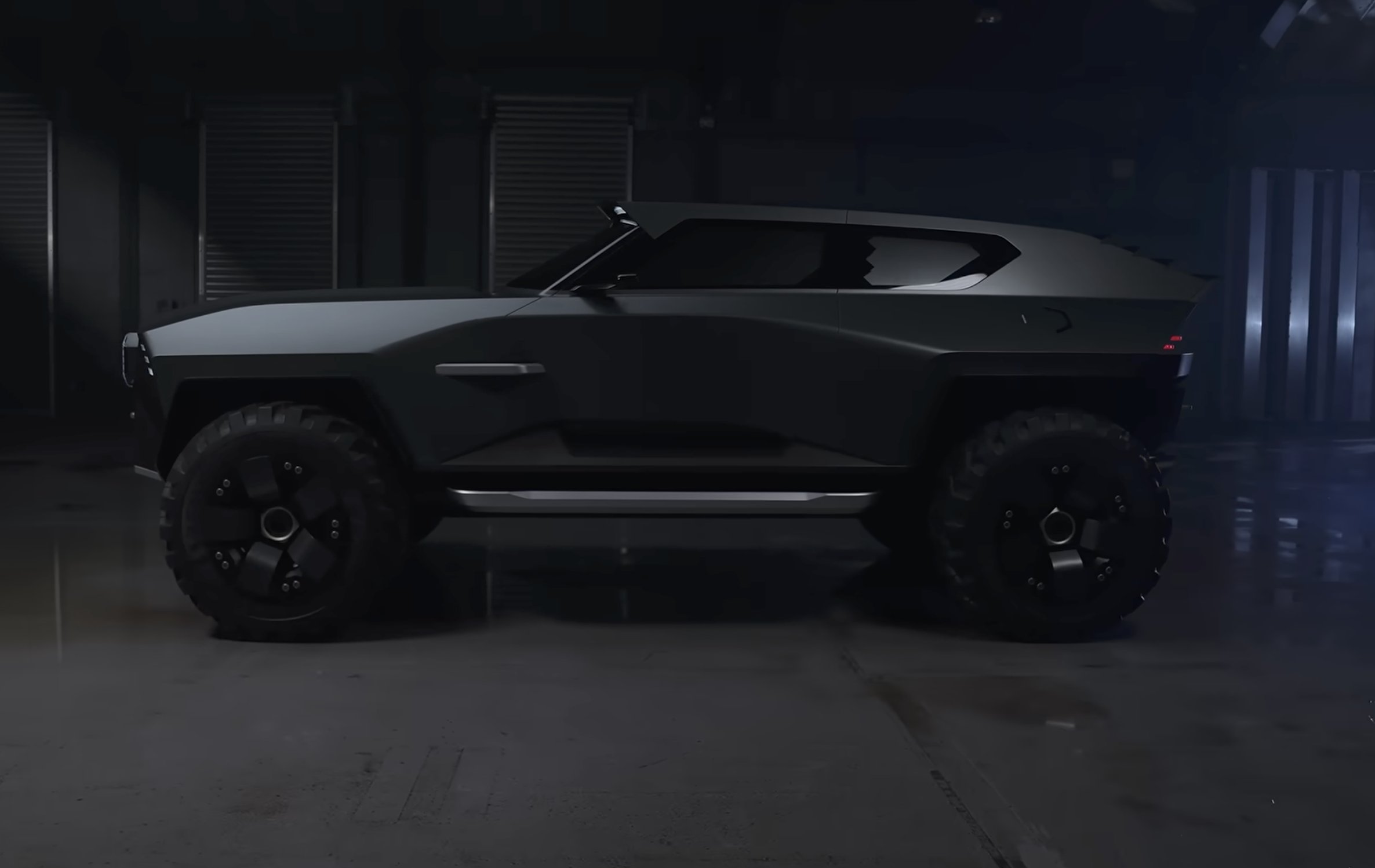
The Cybercab is designed specifically for autonomous driving and does not have traditional driving controls, including a steering wheel, brake pedal or accelerator pedal. The vehicle also does not rely on conventional exterior mirrors. That design is a key part of the federal review. Regulators are examining whether Tesla properly determined that certain federal safety requirements apply to a vehicle designed to operate without a human driver.
Tesla Self Certified The Cybercab
Automakers generally certify their own vehicles as compliant with federal safety standards before selling or deploying them. Federal regulators can then review those certifications and investigate potential compliance issues. Tesla certified the Cybercab as compliant with the applicable federal safety standards. The federal audit is examining how the company reached that determination. The audit does not mean the Cybercab has been declared unsafe or that Tesla has been ordered to recall the vehicles.
Autonomous Vehicles Challenge Existing Rules
Many federal vehicle safety requirements were developed around conventional automobiles operated by human drivers. The emergence of fully autonomous vehicles has created questions about how those requirements should apply to vehicles that are built without traditional driving equipment. Federal regulators have been working on potential changes to accommodate autonomous vehicle technology. Until existing requirements are changed, however, manufacturers must continue to comply with the standards currently in effect.
Austin Becomes A Major Test
Tesla’s Austin launch represents one of the company’s biggest steps toward turning autonomous driving into a commercial transportation business. The Cybercab is designed to eventually operate as part of a larger driverless transportation network. Tesla has been developing autonomous driving technology for years, and the Cybercab represents a vehicle specifically designed around that strategy rather than adapting a conventional car. The company initially launched the service on a limited basis, allowing passengers to experience rides in the autonomous vehicles while Tesla continues developing the technology.
What Happens Next
The federal audit will determine whether Tesla’s certification process properly addressed the safety standards applicable to the Cybercab. The review could become increasingly important if Tesla seeks to expand the vehicles into additional cities and increase the size of its autonomous fleet. For now, the Cybercabs remain part of Tesla’s Austin rollout while federal regulators examine the company’s approach to safety certification. The outcome could help shape not only Tesla’s plans, but also how regulators handle a new generation of vehicles designed to operate without traditional drivers.










































Want to join the conversation?
Create an account or sign in to share your thoughts, vote,
and reply to other readers.
Showing 0 of 0 comments
Don't have an account?
Already have an account?