
Iran Renews Threats Against Trump as New Supreme Leader Remains in Hiding During State Funeral
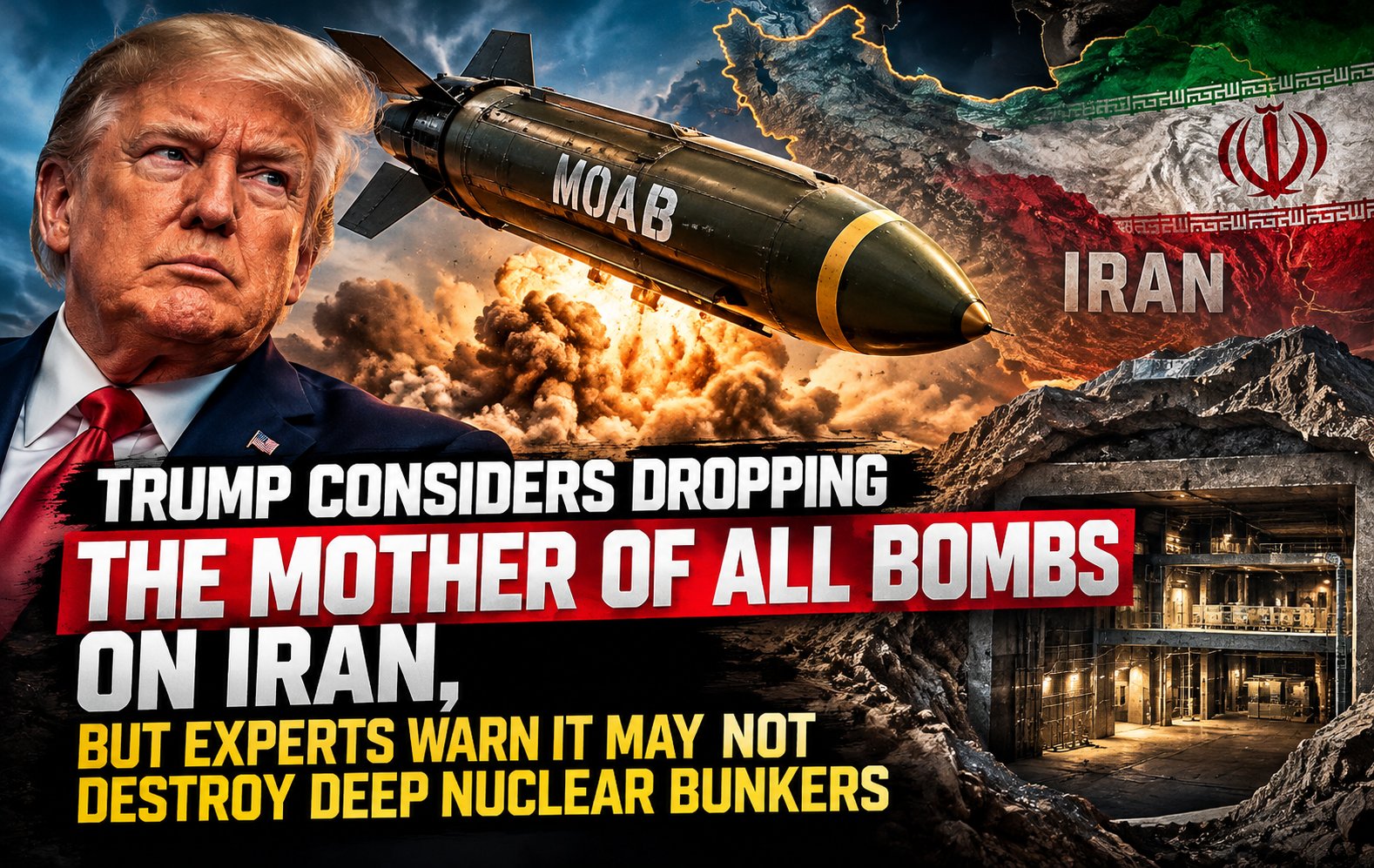
TEHRAN, Iran — Iran has intensified its threats against President Donald Trump and Israel as the country enters a week long state funeral honoring slain Supreme Leader Ayatollah Ali Khamenei, raising fresh concerns that the fragile ceasefire ending months of conflict could collapse. The increasingly hostile rhetoric comes as Iran’s newly installed Supreme Leader, Ayatollah Mojtaba Khamenei, has remained out of public view throughout the funeral ceremonies, fueling speculation that Tehran’s new leader is operating under extraordinary security amid fears he could become the next target of Israeli military action. The combination of public calls for retaliation and the disappearance of Iran’s highest ranking official has placed U.S. and allied intelligence agencies on heightened alert across the Middle East.
Iran’s Military Promises Revenge
Iranian military leaders used the funeral ceremonies to deliver some of their strongest warnings since the end of active fighting. Speaking before thousands of mourners, Iran’s Armed Forces Chief of Staff declared that those responsible for the strikes that killed Ali Khamenei “would not be left alone,” a statement widely interpreted as a direct warning aimed at President Trump, Israeli Prime Minister Benjamin Netanyahu, and Western military forces operating throughout the region. The comments reflect Tehran’s continued insistence that the United States and Israel will eventually face consequences for the military campaign that decapitated much of Iran’s senior political and military leadership.
The Death That Reshaped Iran’s Leadership
Ali Khamenei, Iran’s supreme leader for more than three decades, was killed during the opening phase of the U.S. Israeli military campaign earlier this year. His death marked one of the most significant political events in the Islamic Republic since the 1979 revolution and forced an immediate transition of power. Following his assassination, Iran’s Assembly of Experts elevated his son, Mojtaba Khamenei, to become the country’s new Supreme Leader.
The “Ghost” Supreme Leader
Despite assuming the nation’s highest office, Mojtaba Khamenei has yet to appear publicly during his father’s funeral. His absence has become one of the most closely watched developments in Iran. While three of Ali Khamenei’s other sons stood beside their father’s casket during public ceremonies in Tehran, Mojtaba remained hidden from public view. Regional analysts believe his absence is likely the result of extraordinary security precautions rather than political uncertainty.
Israeli officials have openly warned that Mojtaba Khamenei could become a future military target should hostilities resume, increasing concerns inside Tehran that any public appearance could expose his location.
Funeral Draws Massive Crowds
The state funeral has attracted hundreds of thousands of mourners to the streets of Tehran. Crowds waving Iranian flags and symbolic red “flags of vengeance” have participated in processions honoring the late supreme leader while chanting anti-American and anti-Israeli slogans. The ceremonies are expected to continue throughout the week before concluding with Ali Khamenei’s burial in the holy city of Mashhad. Iranian state media has portrayed the events as evidence of national unity and resilience following the devastating war.
John Hannah: Iran Is Projecting Strength While Operating From Fear
Appearing on Fox News, former Vice President Dick Cheney National Security Adviser John Hannah argued that Iran’s behavior reflects a government attempting to project confidence while simultaneously operating under deep security concerns. According to Hannah, the extraordinary measures surrounding Mojtaba Khamenei demonstrate how seriously Iranian leaders view the continuing threat posed by Israeli intelligence and military capabilities. Rather than appearing publicly during one of the country’s most important political events, Iran’s new supreme leader has remained shielded from public exposure, highlighting the regime’s concern that another precision strike could further destabilize the government.
Threats Against Trump Continue to Escalate
The rhetoric emerging from the funeral ceremonies has increasingly focused on President Trump. Iranian officials and participants have repeatedly vowed revenge against both the United States and Israel, with chants and speeches calling for retaliation against those responsible for the military campaign.
Security experts note that threats against American leaders routinely increase following major military operations targeting senior Iranian officials, and intelligence agencies continue to closely monitor potential retaliation by Iran or its regional proxy organizations.
A Fragile Peace
Although direct military operations have largely ceased, few regional experts believe the crisis has ended. Diplomatic efforts to stabilize the region continue alongside increasingly aggressive rhetoric from Tehran, while negotiations involving sanctions, maritime security, and commercial shipping remain overshadowed by continued calls for revenge. With Iran’s new supreme leader remaining out of public view and military leaders promising retaliation, analysts warn that the ceasefire remains highly unstable. Whether the current pause develops into a lasting peace, or another round of conflict, may depend on decisions made in both Tehran and Washington over the coming weeks.



































Want to join the conversation?
Create an account or sign in to share your thoughts, vote,
and reply to other readers.
Showing 0 of 0 comments
Don't have an account?
Already have an account?