
This New AI Crime Keeps Happening More & More
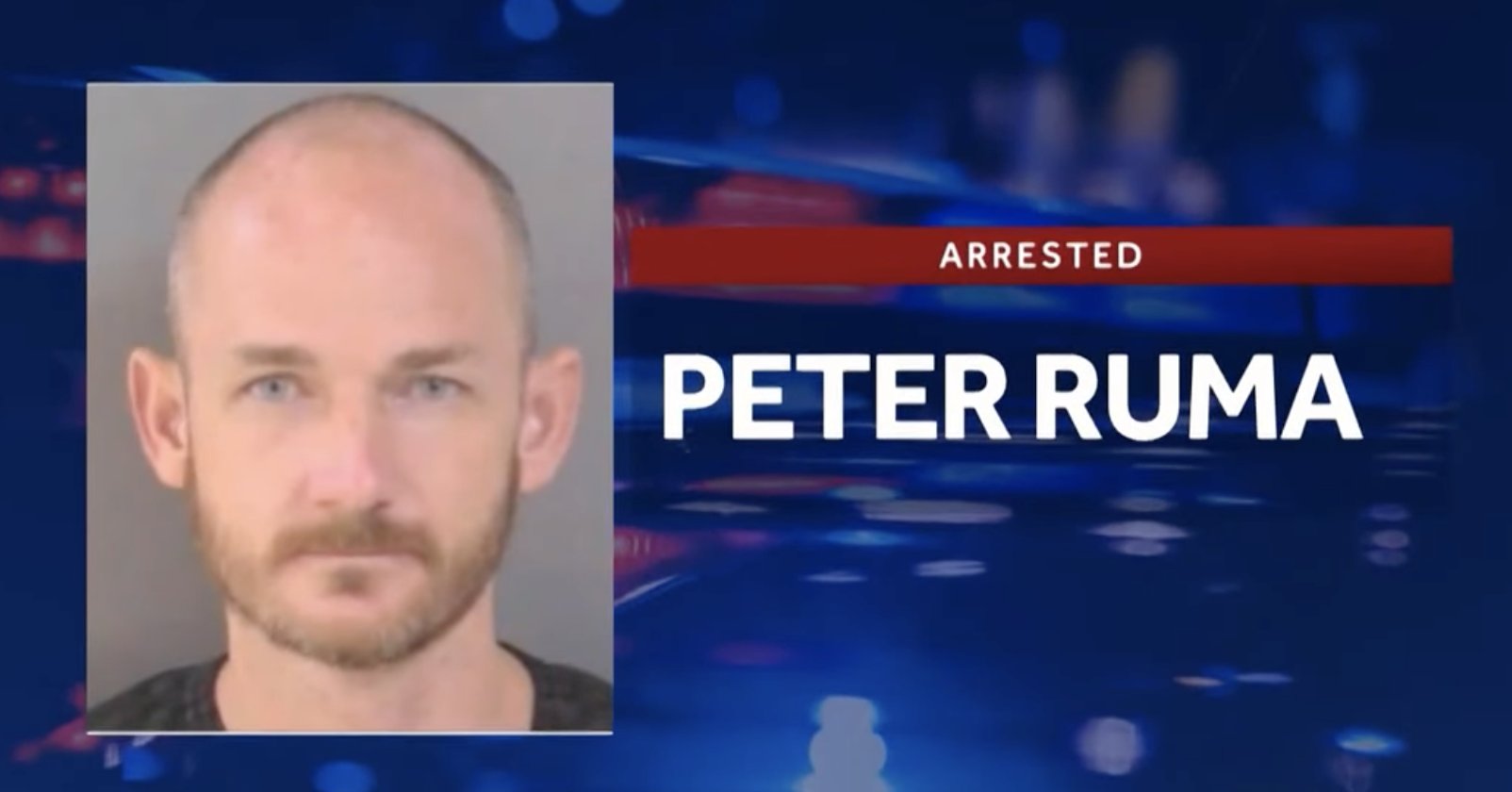
A 37-year-old Vero Beach Lyft driver is facing eight criminal charges after investigators say he used artificial intelligence to create fake sexually explicit images of women without their consent, then allegedly used some of the images to harass and intimidate his victims.
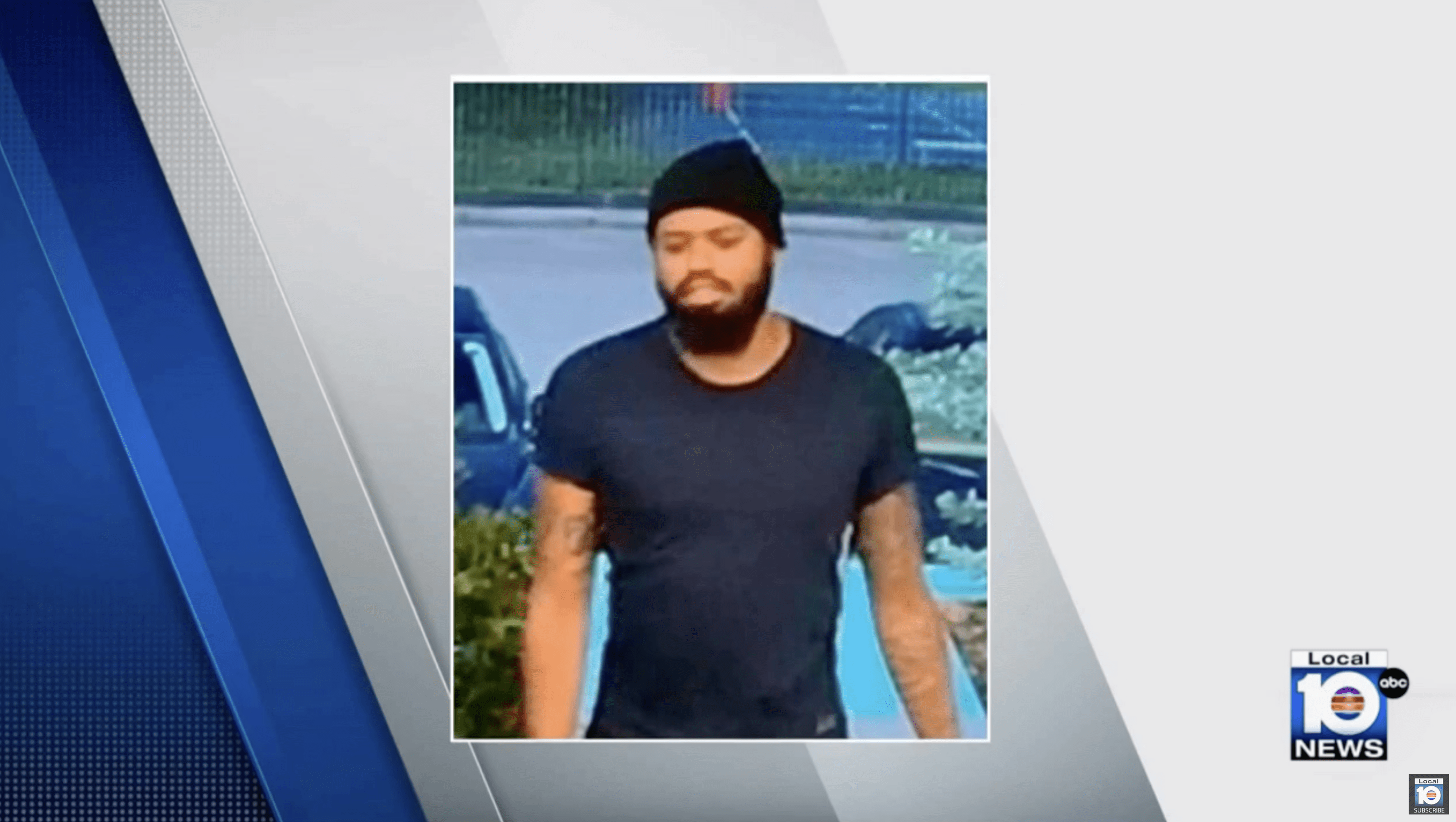
Peter Solomon Ruma, 37, was arrested by the Vero Beach Police Department at approximately 11:55 a.m. on September 2nd, 2026, following a multi-week cyber investigation. According to the allegations, Ruma used commercially available artificial intelligence tools capable of digitally removing clothing from photographs and creating synthetic sexual images. The technology allowed him to take photographs of real women, including pictures taken from publicly available social media accounts and professional websites, and manipulate them into explicit images.
Ruma Targeted a Neighbor
The investigation reportedly began focusing heavily on one woman who had been Ruma’s backyard neighbor between 2016 and 2018. Investigators allegedly discovered more than 140 AI-generated sexually explicit images depicting the woman. Police also found a folder on one of Ruma’s devices labeled “Photo IDs” that allegedly contained altered nude images assembled into a fake identification card. The alleged fake ID reportedly included the woman’s name, Instagram handle, telephone number, physical measurements and employer.
Investigators further allege that Ruma sent synthetic explicit images directly to the woman while using dozens of spoofed telephone numbers, making it more difficult to determine where the messages originated. Digital evidence allegedly uncovered during the investigation also pointed to other potential victims. Police reportedly found folders and online activity involving the profile photographs of co-workers, a friend’s girlfriend and a former boss that had allegedly been combined with AI-generated nude bodies.
The alleged activity under investigation occurred primarily between June and August 2026. Police eventually obtained a search warrant for Ruma’s Vero Beach residence, which investigators noted was located adjacent to a school. During the search, authorities seized two mobile phones, an iPhone 17 Pro and a TCL Android phone, for forensic examination.
What are the Details?
According to investigators, the digital examination produced evidence they say connected Ruma to commercial AI deepfake websites and anonymous image-upload platforms where material could be posted and automatically disappear. Police also allegedly found both the original, unaltered photographs and the resulting AI-generated composites stored on the devices. In some instances, investigators reportedly found evidence showing that the source photograph and manipulated image had been created or accessed within minutes of one another.
The case illustrates one of the darker consequences of increasingly sophisticated consumer AI. What once required considerable technical expertise can now be accomplished through commercial websites and applications that can manipulate photographs in seconds. A person’s publicly available social-media photograph can potentially become raw material for a fabricated sexual image without that person’s knowledge or consent.
The Charges and Bond
The Indian River County State Attorney’s Office, in case 2026-CF-000944, has charged Ruma with eight counts. The charges include three counts of generating an altered sexual depiction of a person without consent, three counts of promoting an altered sexual depiction of a person without consent, one count of sexual cyberharassment, and one count of stalking/cyberstalking.
Ruma was initially booked into the Indian River County Jail on a $1 million bond, calculated at $150,000 for each felony count and $50,000 for each misdemeanor count. He was subsequently released on bond with a GPS monitoring device.
Ruma is also a convicted felon and has a previous arrest record, including a 2007 charge involving sexual battery on a physically impaired person.
The allegations against Ruma remain allegations unless and until proven in court. But the case demonstrates how AI-generated sexual imagery has created a new weapon for harassment, with victims potentially finding themselves depicted in explicit situations they never participated in and images circulating despite being entirely fabricated.
The technology may be artificial, but the damage to the people targeted by it can be very real.
ARTICLE SOURCES:
WPBF 25 News (ABC): “Vero Beach man jailed on $1 million bond accused of AI fake sexual images scheme” (Reported by John Parish, featuring statements from Vero Beach Police Chief David Curry) — Watch on YouTube
The Space Coast Rocket: “Vero Beach man held on $1 million bond in explicit AI-image case” / Court Affidavit Review (Indian River County Circuit Court Case
2026-CF-000944) — Read Full ArticleSebastian Daily: “Vero Beach man held on $1 million bond in explicit AI-image case” — Read Article



































Want to join the conversation?
Create an account or sign in to share your thoughts, vote,
and reply to other readers.
Showing 0 of 0 comments
Don't have an account?
Already have an account?