
Kamala Harris Running For President in 2028
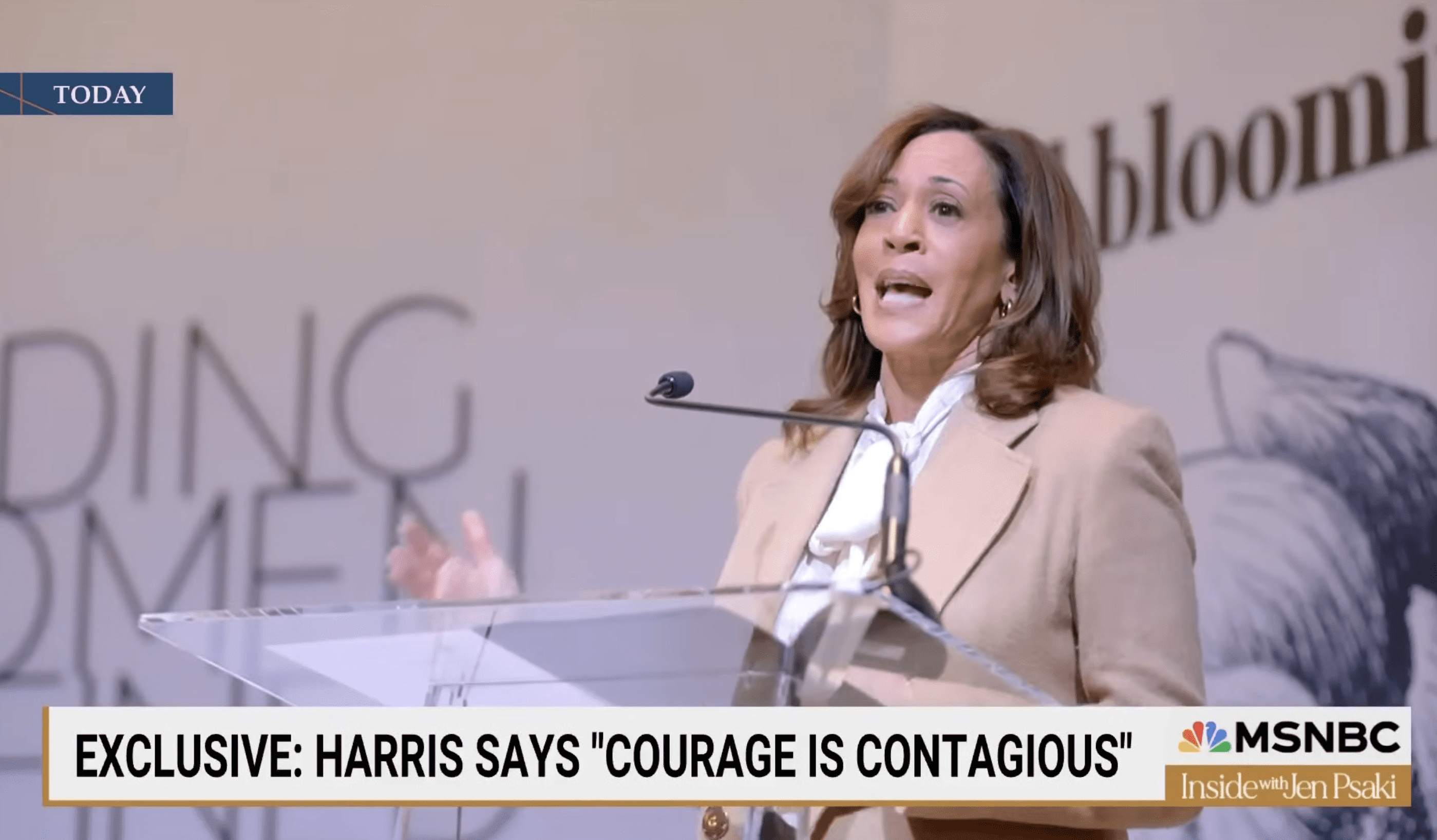
That was the clearest signal yet from Kamala Harris that she is seriously weighing another run for the White House in 2028, re-entering a rapidly forming Democratic field and reigniting debate about the party’s future direction. Speaking Friday at the National Action Network’s annual convention in New York, Harris confirmed publicly what has been building quietly for months: she has not closed the door on another presidential campaign.
A Political Comeback in Motion
Harris’ comments come after a turbulent political arc that has defined her national profile. She served as the 49th Vice President of the United States from 2021 to 2025, becoming the first woman, first Black woman, and first South Asian American to hold the office. In 2024, she became the Democratic nominee after Joe Biden withdrew from the race. Her campaign ultimately lost to Donald Trump, a defeat that reshaped the Democratic Party’s leadership vacuum and triggered widespread speculation about its next standard-bearer. Since then, Harris has largely stayed out of elected office, declining a potential run for California governor in 2026, a move widely interpreted as keeping her options open for a national campaign.
Inside the 2028 Democratic Landscape
Her remarks didn’t happen in a vacuum. The National Action Network convention has effectively become an early proving ground for 2028 hopefuls, drawing a crowded roster of Democratic figures testing national appeal. Among those appearing alongside Harris were Pete Buttigieg, Josh Shapiro, Wes Moore, JB Pritzker, Andy Beshear, Mark Kelly, and Ro Khanna. The gathering underscores a key reality: the Democratic primary is wide open, and Harris, despite her loss in 2024, remains one of the most recognizable and structurally viable contenders.
What Kamala Harris Believes In
Harris has built her political identity on a blend of mainstream Democratic policy and progressive priorities, often positioning herself as both a pragmatic insider and a reform advocate.
Civil Rights And Voting Access
Harris has consistently aligned herself with voting rights protections, criminal justice reform, and anti-discrimination policies, often framing these issues as foundational to American democracy.
Economic Equity And Worker Protections
She has emphasized raising wages, supporting unions, and expanding economic opportunity, particularly for middle- and working-class Americans.
Healthcare Expansion
While not fully aligned with the most progressive wing advocating for a single-payer system, Harris has supported expanding access to affordable healthcare and strengthening the Affordable Care Act.
Climate Action
She has backed aggressive climate policies, including investments in clean energy and environmental justice initiatives targeting underserved communities.
Reproductive Rights
Harris has been a vocal defender of abortion rights, especially in the post-Roe political landscape, making it a central pillar of Democratic messaging. At the convention, she reinforced a broader critique that could shape a future campaign, arguing that the status quo is not working for many Americans, a line that signals a populist framing aimed at economic dissatisfaction across the country.
The Strategic Question Ahead
Harris enters this moment with both strengths and liabilities. On one hand, she has national name recognition, executive experience, and a historic political résumé. On the other, critics within her own party have questioned her political messaging and ability to connect with key voter blocs, particularly working-class voters. Still, early dynamics suggest she remains a top-tier contender if she runs, with no clear front-runner dominating the field.
What Comes Next
Harris has not made a final decision, and her timeline remains unclear. But her public acknowledgment marks a shift from speculation to active consideration. The subtext is unmistakable: the Democratic Party is entering a defining transition period, and Harris is positioning herself not as a relic of the Biden era, but as a potential architect of what comes next. Whether voters agree is a question that will define the road to 2028.





































Want to join the conversation?
Create an account or sign in to share your thoughts, vote,
and reply to other readers.
Showing 0 of 0 comments
Don't have an account?
Already have an account?