
FBI Revolt Against Kash Patel Grows as Whistleblowers Flood Congress With Allegations
The internal crisis surrounding Kash Patel is no longer being whispered about in back hallways of the FBI. According to a growing number of reports, whistleblower disclosures, and statements from lawmakers, the Bureau is now facing one of the most volatile internal leadership rebellions in modern agency history.
What began as scattered rumors about erratic management and loyalty tests has reportedly evolved into a full scale breakdown in trust between career FBI personnel and Patel’s inner circle. Current and former officials are increasingly accusing leadership of weaponizing internal investigative tools, retaliating against perceived critics, and transforming the nation’s premier law enforcement agency into a politically paranoid operation focused as much on self preservation as public safety.
The allegations are explosive. They involve polygraph testing, internal leak hunts, pressure campaigns against journalists, alleged misuse of taxpayer funded resources, and a growing network of agents quietly documenting questionable directives for Congress and federal watchdogs. And perhaps most damaging of all, many inside the Bureau appear convinced the FBI itself is becoming compromised from within.
Polygraphs, Leak Hunts, and a Culture of Fear
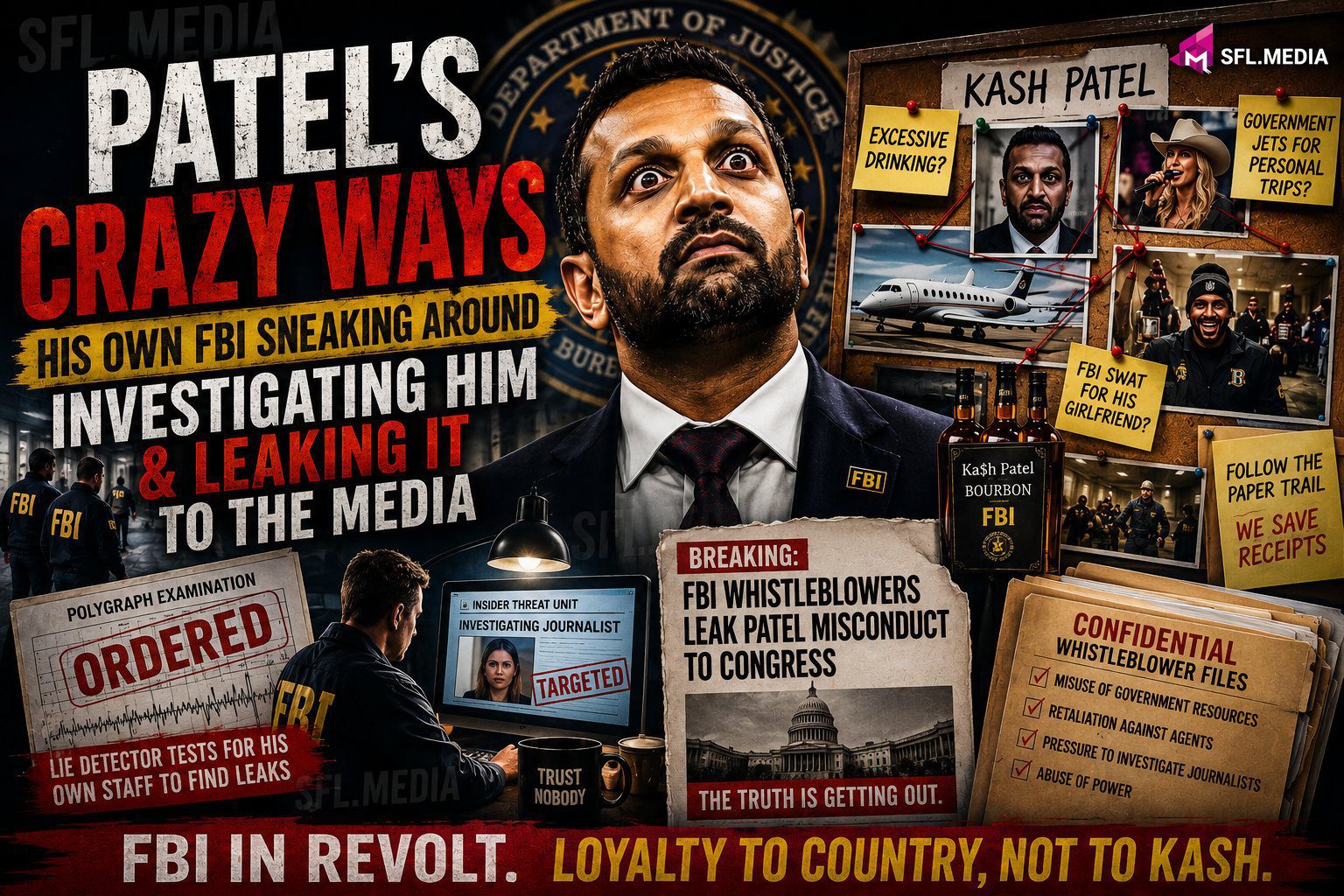
According to multiple reports circulating in Washington media circles, Patel allegedly ordered lie detector examinations for members of his own security detail, technical support staff, and internal personnel in an aggressive search for leaks to the press. The focus reportedly centered on stories detailing Patel’s personal conduct and management style.
That alone would be unusual. But what appears to have alarmed many inside the Bureau is the allegation that personnel tied to an “insider threat” program were directed toward efforts involving journalists themselves, particularly reporters covering Patel critically. Career agents reportedly viewed that move as crossing a dangerous line.
Leak investigations traditionally focus on government employees accused of improperly disclosing classified information. Targeting reporters or building investigative pressure around journalists raises immediate constitutional and ethical concerns, especially within an agency already under intense scrutiny for political independence.
The atmosphere described by insiders is one of institutional paranoia. Officials reportedly fear retaliation for dissent while simultaneously documenting orders and preserving internal communications in anticipation of future investigations by Congress, the Department of Justice Inspector General, or potentially even federal courts.
The Whistleblower Pipeline Is Already Open
One of the clearest signs the internal fracture is real came when Dick Durbin publicly referenced information provided by what he described as “credible whistleblowers” inside the FBI. Those disclosures allegedly involved the misuse of Department of Justice aircraft and questionable travel activity tied to Patel and his associates.
Among the incidents drawing attention was a controversial trip tied to the Milan Winter Olympics, where Patel reportedly appeared in social media footage celebrating in a locker room environment while traveling under circumstances now being questioned by oversight officials.
At the same time, agents reportedly began creating what insiders are calling a “paper trail” preserving records of unusual requests or directives that many fear could later become evidence in misconduct probes. One example receiving particular attention involves reports that government resources were used to distribute personalized “Ka$h Patel” bourbon bottles engraved with FBI insignia. If verified, ethics experts say the optics alone could become deeply problematic for Bureau leadership.
Retaliation Fears Inside the Bureau
Perhaps the most serious allegations involve retaliation and coercion.
Sources claim agents fear losing assignments, promotions, or even their jobs if they refuse politically sensitive directives. Several reports suggest officials feel trapped between complying with questionable orders and protecting themselves legally.
“They know they are not supposed to do this… But if they don't go forward, they could lose their jobs. You're damned if you do and damned if you don't.”
That quote, attributed to an unnamed FBI source discussing pressure surrounding investigations connected to journalists, captures the broader mood reportedly spreading through the agency. The FBI has strongly denied many of the accusations.
Patel has reportedly responded aggressively to media coverage, including pursuing major defamation litigation connected to allegations involving alcohol use and workplace conduct. Bureau spokespersons have also denied claims that journalists are being criminally targeted. But denials alone may not stop the political damage.
The bigger problem for FBI leadership is that the disclosures are no longer isolated stories. They are beginning to form a pattern, one involving whistleblowers, congressional oversight, internal dissent, and allegations of politicized enforcement behavior. And history shows that once career federal employees begin bypassing agency leadership and communicating directly with Congress, the situation is usually already far more serious internally than officials publicly admit.
A Dangerous Moment for the FBI
The FBI has survived scandals before. From J. Edgar Hoover weaponizing intelligence files against political enemies, to post 9/11 surveillance controversies, to the political firestorms surrounding both Donald Trump and Hillary Clinton investigations, the Bureau has repeatedly found itself accused of drifting into political territory.
But what makes this moment different is the perception that internal resistance is now coming from within the institution itself. Not political opponents. Not cable news pundits. Career personnel. If the reports are accurate, a significant number of agents appear to be quietly preparing for external investigations into their own leadership while trying to shield themselves from fallout. That is not normal bureaucratic dysfunction. That is institutional fracture. And if the conflict escalates further, it could become one of the most consequential internal FBI crises in decades.





































Want to join the conversation?
Create an account or sign in to share your thoughts, vote,
and reply to other readers.
Showing 0 of 0 comments
Don't have an account?
Already have an account?