
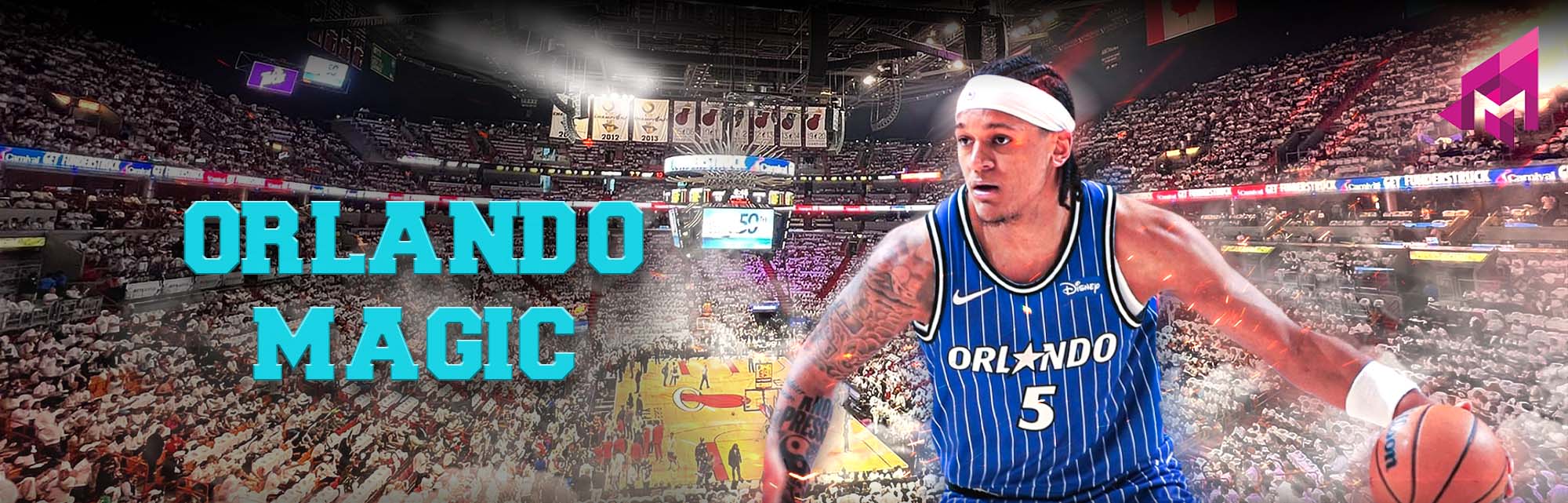
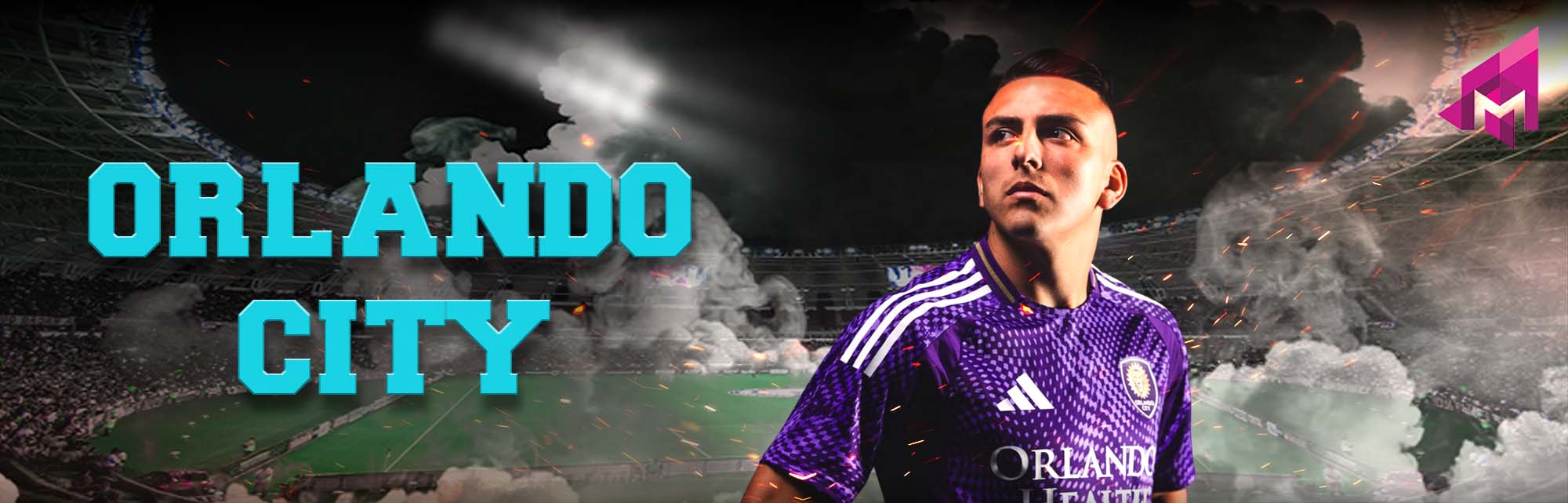
As Orlando City SC prepares for the 2026 Major League Soccer season, the tone surrounding the club has noticeably shifted. What was once a team defined by upward trajectory and playoff ambition now faces a more uncertain evaluation period. The central question is unavoidable: has this roster truly improved, or has it simply turned over?
The departures of key figures like Pedro Gallese and Alex Freeman signal more than routine offseason change—they represent the loss of leadership, stability, and long-term continuity. In response, the front office turned to reinforcements such as Maxime Crepeau and Braian Ojeda. Yet the question lingers: were these moves transformative, or merely necessary to fill gaps?
For several seasons under Oscar Pareja, Orlando built its identity on defensive discipline, organization, and consistency. That structure made the club a reliable playoff participant in the Eastern Conference. But in a league that increasingly rewards evolution over stability, standing still can feel like falling behind.
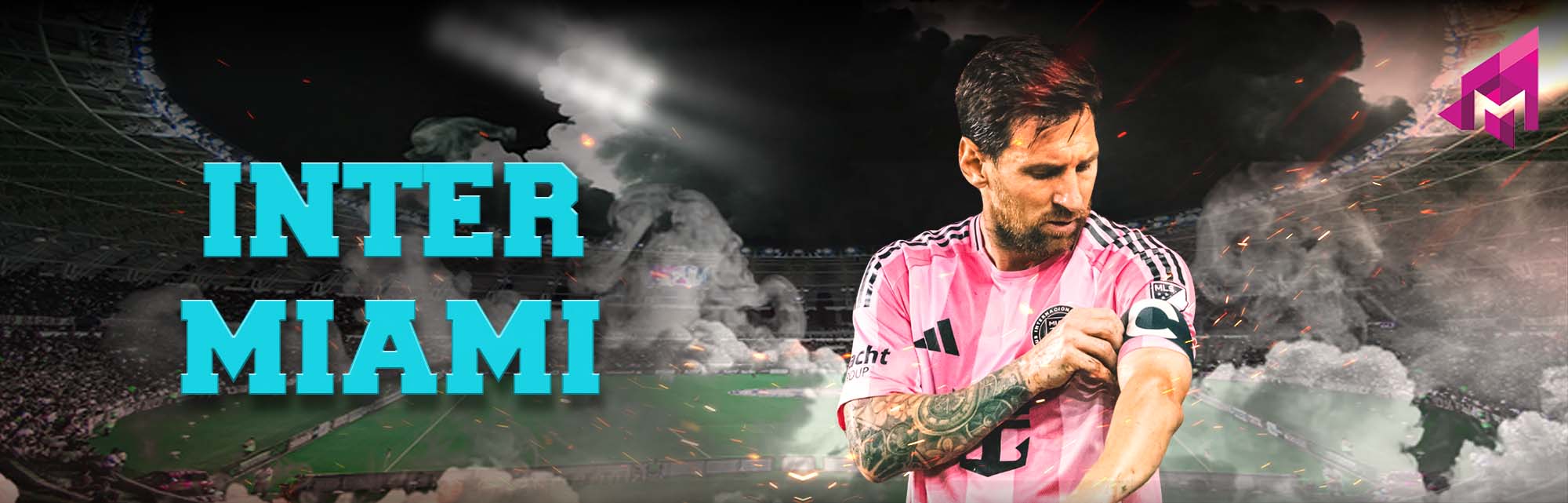
The 2026 Eastern Conference presents a formidable challenge. Rivals such as Inter Miami CF, FC Cincinnati, and Columbus Crew enter the season with stronger momentum and, arguably, deeper squads. Orlando’s task is not to reinvent its philosophy, but to prove that its foundational strengths remain intact—and more importantly, resilient.
That begins in goal. Can Crépeau replicate the reliability that Gallese provided for years? The Peruvian international was not only a shot-stopper but a commanding presence who anchored the back line. Without him, increased responsibility falls on defenders like Robin Jansson to maintain cohesion and leadership.
Defensively, Orlando’s identity has long been its backbone. However, the depth behind the starting eleven appears thinner than in previous seasons. The right side of the defense lacks long-term clarity, and the overall margin for error has narrowed significantly. In a league built on speed and transition play, even minor lapses in communication can quickly turn into dropped points.
Early in the season, transition defending may prove decisive. If Orlando remains compact and organized, it can still compete with the conference’s best. But if cohesion slips—even briefly—the narrative could quickly shift from playoff pursuit to damage limitation.
On the attacking side, the questions are just as pressing. Can this group consistently break down elite defenses? Is there a reliable match-winner when games tighten late? And perhaps most importantly, does Orlando have another gear when chasing results?
Much of that responsibility will fall on Duncan McGuire as the primary No. 9, alongside the creativity of Martín Ojeda in midfield. While there is still flexibility with an open Designated Player slot, that uncertainty also underscores the current state of the squad. Until that space is filled, Orlando’s attacking ceiling remains somewhat undefined.
In MLS, being “solid” is rarely enough. Structure and organization can secure points, but individual brilliance often determines playoff seeding—and ultimately, postseason success. For Orlando City, the 2026 campaign will hinge on whether difference-makers emerge within the current group or arrive before it’s too late.
This preseason feels less like a launchpad and more like a checkpoint. The Lions are no longer simply building—they are being tested. Whether this iteration of Orlando City is a playoff lock or a mid-table side drifting in transition will be decided not by philosophy, but by execution.






































Want to join the conversation?
Create an account or sign in to share your thoughts, vote,
and reply to other readers.
Showing 0 of 0 comments
Don't have an account?
Already have an account?