
Presidential Libraries: From History to Trump’s Corruption Playbook
The Original Purpose of Presidential Libraries
Presidential libraries were first conceived under Franklin D. Roosevelt in the 1930s as a way to preserve the documents, letters, and records of the presidency for the public good. Instead of private collections being scattered or lost, these libraries centralized archives under the National Archives and Records Administration (NARA). The intent was noble: transparency, scholarship, and public access.
They became part museum, part research hub, and part educational institution. For decades, libraries from Roosevelt to Obama have functioned as civic monuments, allowing historians, students, and citizens to study presidential records and better understand American history. These libraries were never intended to be political slush funds or personal piggy banks. They were built on donations, land gifts, and endowments, but under rules that maintained accountability and oversight.
“Presidential libraries were meant to safeguard democracy’s paperwork, not to bankroll political shakedowns.”
Trump’s Corruption Loophole
Donald Trump has warped this tradition into something else entirely. Instead of a center for public learning, his “library” project is shaping up as a loophole, a legal mechanism to solicit massive donations without meaningful transparency. Unlike campaign funds or even super PACs, presidential library fundraising isn’t bound by the same strict reporting requirements. That opens the door for corporations, billionaires, and even foreign governments to shovel money into a presidential legacy project buying influence under the guise of philanthropy.
Reports have already tied Trump to attempts at leveraging his presidential library as a funnel for favors. One of the most egregious examples: Qatar, which allegedly floated the idea of providing Trump with access to a private jet as part of these dealings. To most Americans, that looks less like civic education and more like an open invitation for bribery. This isn’t about history. It’s about laundering influence through marble and glass.
Miami’s Billion-Dollar Blunder
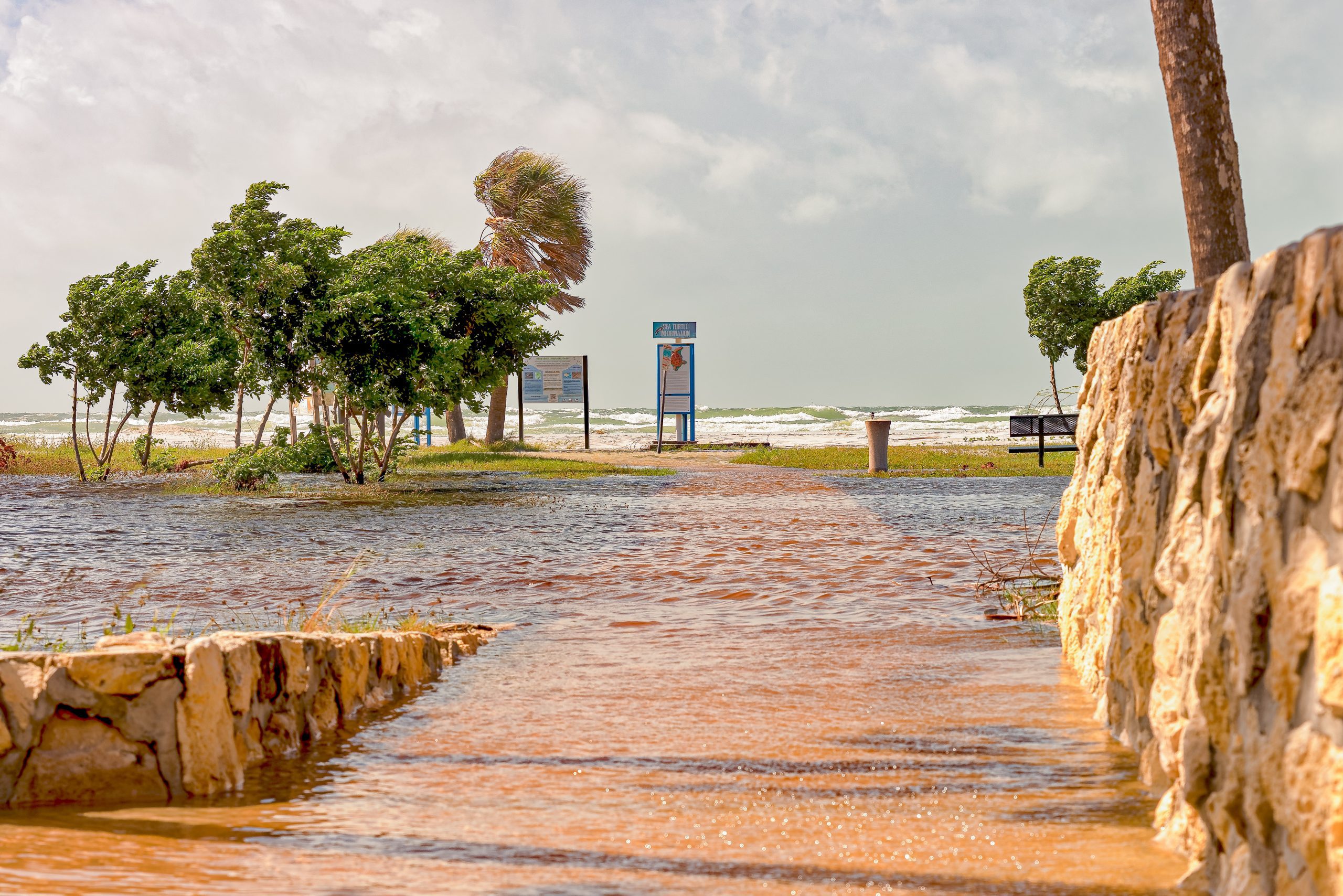
Against this backdrop, Miami officials are now floating the idea of donating prime waterfront land worth tens of millions of dollars for Trump’s proposed library. That’s right—taxpayers in one of the most expensive and vulnerable real estate markets in the world would hand over priceless public land so Trump can build what amounts to a “bribe center.” It’s a slap in the face to civic responsibility. Miami is already facing rising seas, a housing affordability crisis, and infrastructure demands. Donating land for Trump’s monument to corruption isn’t just bad optics, it’s financial malpractice.
“In Miami, public land is gold. Giving it away for Trump’s influence-peddling vanity project is the definition of dumb.”
The Bigger Picture
Presidential libraries should serve the people, not presidents. They should be classrooms of democracy, not casinos for pay-to-play politics. If Trump’s model takes hold, every future president will see the library system not as a civic duty but as an ATM. The danger isn’t just Trump. The danger is that we normalize turning what was meant to be a public good into a legalized bribe funnel. Miami’s decision will signal whether America stands by the original vision of presidential libraries or whether we hand the keys over to corruption in perpetuity.













































Want to join the conversation?
Create an account or sign in to share your thoughts, vote,
and reply to other readers.
Showing 0 of 0 comments
Don't have an account?
Already have an account?