
Lindsey Graham Dies at 71, Leaving a Political Vacuum in Washington and Reshaping the 2026 Senate Landscape
WASHINGTON — Republican U.S. Senator Lindsey Graham died suddenly Saturday evening at the age of 71, bringing an abrupt end to one of the most consequential and controversial political careers in modern American politics. Graham’s office announced that the longtime South Carolina senator died following a “brief and sudden illness” shortly after returning from an overseas diplomatic trip. Subsequent preliminary findings from the District of Columbia medical examiner concluded that Graham suffered an aortic dissection caused by underlying arteriosclerotic cardiovascular disease. (Reuters)
His death sent immediate shockwaves through Washington, where Graham had become one of the Republican Party’s most influential voices on foreign policy, judicial nominations, military affairs, and federal spending.
A Career That Spanned Three Decades
First elected to the U.S. House of Representatives in 1994 before winning a Senate seat in 2002, Graham became one of Capitol Hill’s most recognizable political figures. During his career he chaired both the Senate Judiciary Committee and, most recently, the Senate Budget Committee, placing him at the center of many of the Republican Party’s most significant legislative battles. Graham’s political evolution also became one of the defining stories of the Trump era.
During the 2016 Republican presidential primary he emerged as one of Donald Trump’s harshest Republican critics, famously warning that Trump’s nomination could damage the party. Within a year, however, Graham had become one of Trump’s closest congressional allies and remained among the president’s most trusted advisers through his second administration. (The Guardian)
Final Diplomatic Mission
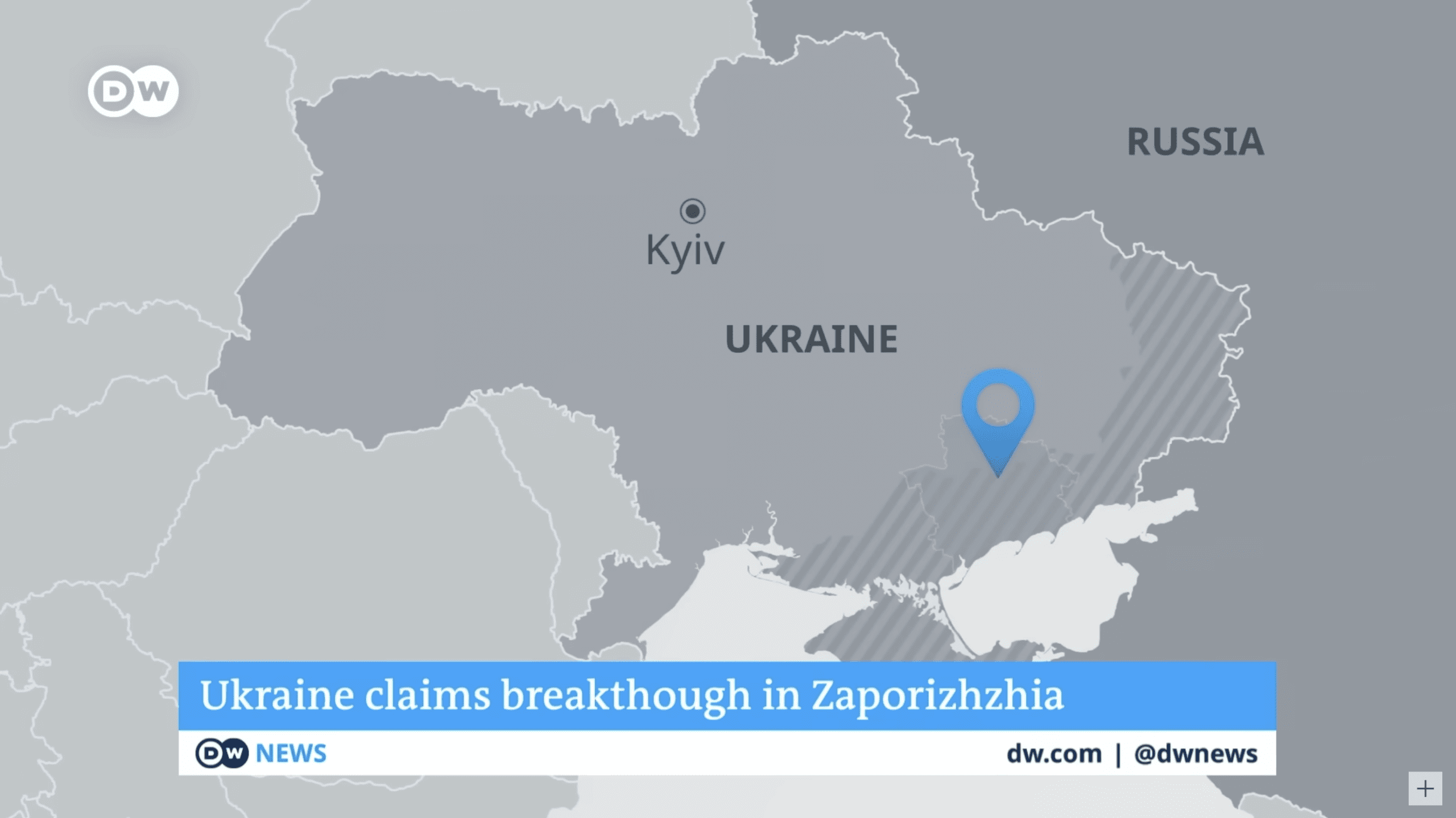
Only hours before his death, Graham had returned from what became his final overseas trip. The senator had traveled to Kyiv for meetings with Ukrainian President Volodymyr Zelenskyy, marking approximately his tenth wartime visit to Ukraine since Russia’s full scale invasion.
During the trip, Graham continued advocating for expanded military support for Ukraine while helping advance bipartisan legislation aimed at increasing economic sanctions against Russia. He remained one of Congress’s most outspoken advocates for continued Western military assistance to Kyiv until his final days.
Medical Findings Point to Natural Causes
According to preliminary findings released by the District of Columbia Office of the Chief Medical Examiner, Graham died from an aortic dissection resulting from arteriosclerotic cardiovascular disease. An aortic dissection occurs when the inner layer of the body’s main artery tears, creating a life threatening emergency that can rapidly become fatal without immediate treatment.
Emergency responders were dispatched Saturday evening after receiving a cardiac emergency call from Graham’s Capitol Hill residence. Despite resuscitation efforts, the senator could not be revived. Toxicology and additional laboratory examinations remain pending as part of the standard death investigation process.
FBI Investigation Draws Public Attention
Because Graham died while serving as a sitting United States senator and only hours after returning from an international diplomatic mission, federal authorities, including the FBI, are participating in the investigation. Officials have not announced any evidence suggesting foul play. Law enforcement involvement in the death of a high ranking federal official is not, by itself, evidence of criminal activity. Investigations in such cases routinely seek to document the circumstances of death and formally rule out other possibilities before a case is closed. (The Wall Street Journal)
Online Speculation Accelerates
Almost immediately after news of Graham’s death broke, social media platforms became flooded with speculation linking his death to his recent visit to Ukraine and his outspoken positions toward Russia and Iran. Among the claims circulating online were unsupported allegations involving poisoning, covert foreign operations, and geopolitical retaliation. At present, however, there is no publicly available evidence supporting those claims.
The only medical explanation released by authorities remains the preliminary finding of a naturally occurring aortic dissection associated with underlying cardiovascular disease. While additional toxicology testing is continuing, officials have not indicated that they suspect homicide or poisoning. (People.com)
Tributes From Washington and Around the World
President Donald Trump called Graham “one of the greatest people and Senators I have ever known” and ordered American flags flown at half staff in his honor. President Zelenskyy described Graham as “a true defender of freedom,” crediting him with consistently advocating for Ukraine throughout the war.
Israeli Prime Minister Benjamin Netanyahu also praised Graham as one of Israel’s strongest friends in the United States Senate. Tributes also came from lawmakers across both parties, many noting Graham’s willingness to forge bipartisan relationships despite his reputation as a fierce conservative on national security issues. (CBS News)
What Happens Next?
Graham’s death immediately creates a vacancy in South Carolina’s Senate delegation. Under South Carolina law, Governor Henry McMaster is expected to appoint an interim senator to serve until the current term expires in January 2027. His death also dramatically alters South Carolina’s 2026 Senate race. Graham had already secured the Republican nomination for what would have been his fifth full Senate term, requiring state Republican officials to move quickly to determine a replacement nominee ahead of November’s general election.
A Lasting Political Legacy
Whether praised as a principled national security hawk or criticized for his dramatic political realignment during the Trump years, Lindsey Graham remained one of Washington’s most influential senators for more than two decades. His fingerprints can be found across Supreme Court confirmations, military policy, foreign affairs, sanctions legislation, and countless debates over America’s role in the world. His sudden death leaves not only an empty Senate seat but also a significant leadership void inside the Republican conference at a pivotal moment in both domestic politics and international affairs.


















































Want to join the conversation?
Create an account or sign in to share your thoughts, vote,
and reply to other readers.
Showing 0 of 0 comments
Don't have an account?
Already have an account?