
Supreme Court Opens a Pivotal Term: Trump’s Power, Civil Rights, and Democracy on the Line
“First Monday in October isn’t just tradition, it’s the reset button on presidential power, civil rights, and the rules that govern the rest of us.”
The Big Picture: A Supercharged First Monday
The Supreme Court returns to the bench on Monday, October 6, 2025, with a docket that will test the limits of executive authority and redraw lines on LGBTQ rights, guns, and voting. A 6–3 conservative majority and an aggressive stream of emergency applications have already defined 2025. Now the justices move from rushed orders to full arguments with consequences that will run through the next election cycle and beyond.
Trump’s Docket: Tariffs and Control of Independent Agencies
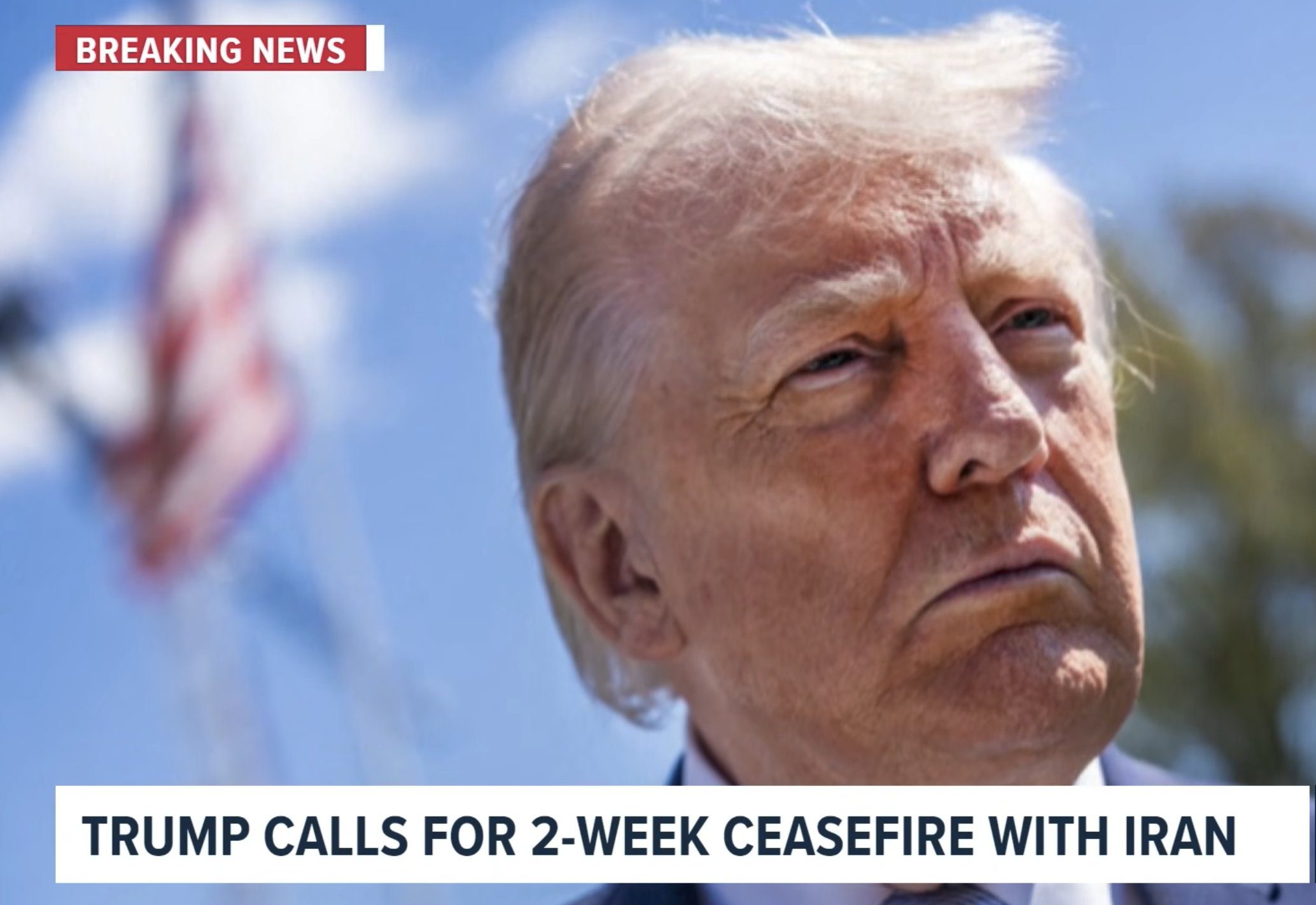
The Court will hear a high-impact challenge to President Donald Trump’s use of the International Emergency Economic Powers Act to levy sweeping “reciprocal” and anti-narcotics tariffs. Lower courts curtailed the move, calling tariff power a core function of Congress; the justices will decide how far a president can stretch emergency statutes to tax imports.
At the same time, two disputes put the independence of federal regulators under the microscope. In one, the Court has agreed to hear whether a president can fire a sitting Federal Reserve governor (Lisa Cook) and, for now, has kept her in office while the case proceeds. In another, the justices are fast-tracking the fight over Trump’s removal of an FTC commissioner, a vehicle that could invite a direct shot at New Deal-era protections for “independent” agencies.
Culture-War Flashpoints: Speech, Identity, and School Sports
Within days, the Court takes up a First Amendment challenge to Colorado’s ban on “conversion therapy” for minors, a case that squarely tests how far states can regulate licensed counseling when it overlaps with political and religious speech. Later in the term, the justices will review state bans on transgender girls’ participation in girls’ sports, setting nationwide rules for schools and athletic associations.
Voting Rights: A Louisiana Case With National Stakes
The Court will re-argue a Louisiana congressional map case that could narrow Section 2 of the Voting Rights Act. The justices expanded the question presented over the summer, raising the prospect of a ruling that reshapes how, and whether, race can be considered to ensure minority voters have an equal opportunity to elect candidates of choice.
The Shadow Docket Hangover
All of this follows a summer in which the Court granted a large share of the Trump administration’s emergency requests, often with scant explanation. Supporters call the moves necessary to avoid policy whiplash; critics warn that frequent, thinly explained orders are rewriting major areas of law without the transparency and discipline that come with full briefing and opinions.
“The term ahead isn’t business as usual; it’s a referendum on how much power a president can claim and how many guardrails the Court will keep.”
What to Watch This Week
Opening arguments and orders that set the early tone on speech and executive power.
- Signals questions from the bench, stays, and procedural orders that reveal where a majority may coalesce on tariffs, agency removals, and the Voting Rights Act.





































Want to join the conversation?
Create an account or sign in to share your thoughts, vote,
and reply to other readers.
Showing 0 of 0 comments
Don't have an account?
Already have an account?