
Tipping Culture
Americans are increasingly pushing back against the expanding expectations around tipping, with new research showing that consumers are cutting back, skipping gratuities and questioning why they are being asked to tip in the first place.
The familiar payment screen has become a source of frustration for many Americans. A customer orders a coffee, picks up takeout or completes a purchase at a counter, and suddenly faces a question that has become increasingly difficult to avoid: How much would you like to tip?
For a growing number of consumers, the answer is increasingly nothing.
A 2026 survey of 1,000 U.S. consumers conducted by restaurant technology company Popmenu found that 78% believe tipping practices at various establishments have become ridiculous. The survey also found that 44% said they are tipping less this year than they did last year.
The frustration is not limited to restaurants. Consumers reported cutting back on tips for grocery delivery, hotels and other services as well.
The Tipping Question Is Showing Up Everywhere
Tipping was once primarily associated with traditionally tipped occupations such as restaurant servers, bartenders, taxi drivers and salon workers. Digital payment technology has dramatically expanded the number of situations in which customers are asked to leave extra money.
That expansion is creating what many consumers describe as tipping fatigue.
Popmenu found that 35% of consumers have reduced either how often they tip at restaurants or how much they tip. Another 42% said they are becoming more comfortable skipping gratuities for some services.
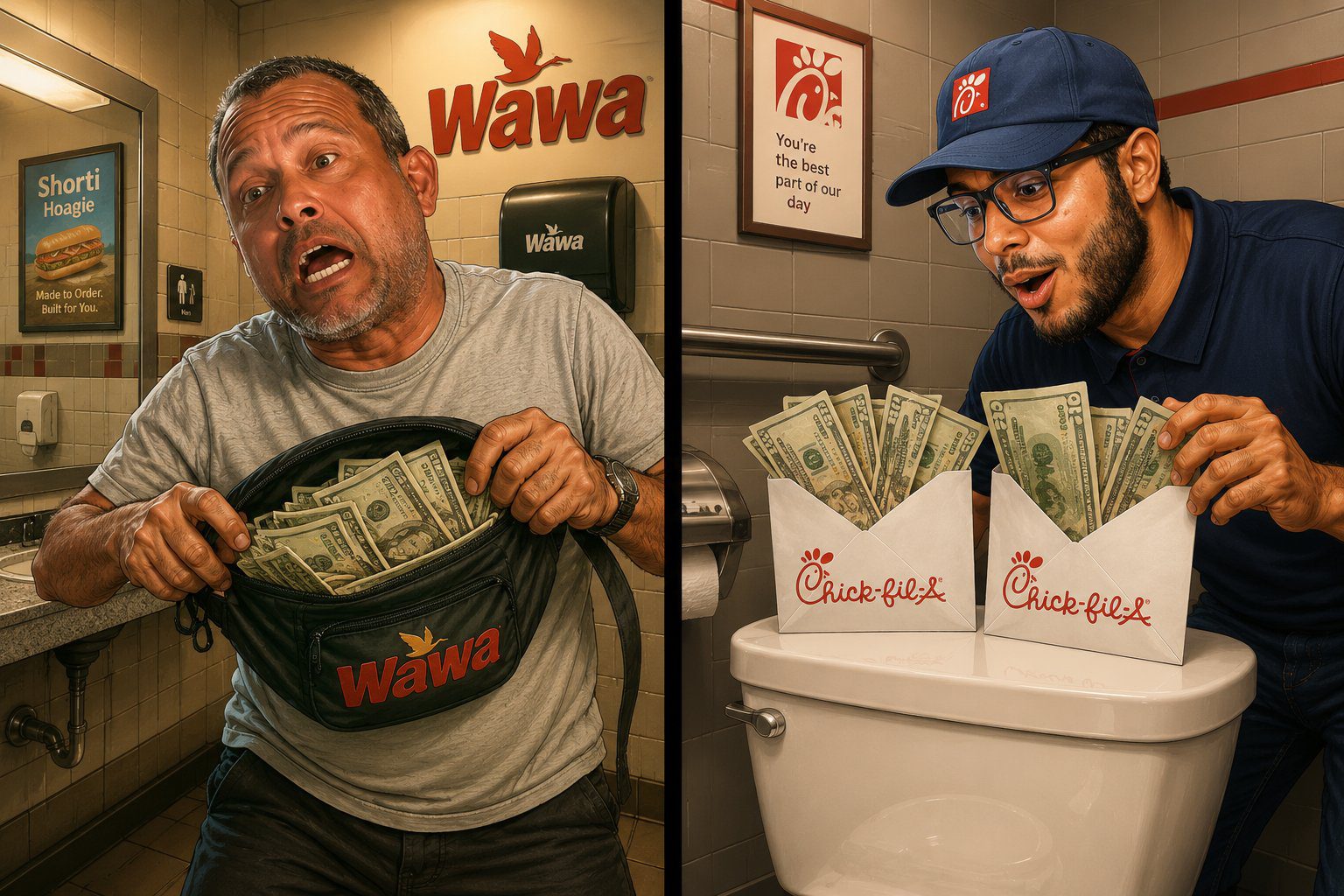
The shift is particularly noticeable in limited-service businesses, where customers may order at a counter, pick up their own food or interact with employees for only a few minutes.
The data also show that tipping is becoming less common for some takeout transactions. According to Popmenu, 62% of consumers said they tipped on online pickup orders in 2026, down from 78% in 2022.
Consumers Are Questioning the Tip Screen
Digital payment screens have become a major part of the tipping debate.
A WalletHub survey conducted in 2026 found that 81% of respondents believe tipping has gotten out of control. The survey also found that 55% said they sometimes leave a tip because of social pressure rather than because the service deserved one.
That pressure can be particularly uncomfortable when suggested percentages appear directly on a screen and the employee is standing nearby.
The issue is not necessarily that consumers oppose tipping altogether. Instead, many appear to be drawing a sharper line between situations where a tip feels appropriate and situations where it feels like an expectation.
Restaurants Remain Different
Despite the growing backlash, tipping has not disappeared from traditional full-service restaurants.
Toast data reported in 2026 showed that the average tip at full-service restaurants was 19.3% during the first quarter of the year. By comparison, the average tip at quick-service restaurants was 15.8%.
That distinction is important.
At a sit-down restaurant, a server may take orders, deliver food and drinks, answer questions, clear tables and provide ongoing personal service. At a counter-service establishment, the interaction can be dramatically different.
Consumers increasingly appear to believe those differences should matter.
The Cost of Tipping Fatigue
There is a real economic consequence to the backlash.
Workers who depend heavily on gratuities can feel the effects when customers reduce their tips. Popmenu reported that the decline is particularly significant in industries where workers rely on tips as an important part of their income.
That creates an uncomfortable situation for consumers.
Many Americans want workers to earn more. At the same time, consumers are increasingly questioning whether businesses should rely on customers to provide that additional compensation through increasingly frequent tip requests.
In the Popmenu survey, 56% of respondents said they would be willing to pay more for meals and beverages if doing so meant workers received higher wages and tipping could be eliminated.
That finding points to the larger issue behind the tipping debate: Who should ultimately be responsible for paying workers?
The Debate Is Bigger Than a 20% Button
The argument over tipping is no longer simply about whether someone should leave 15%, 18% or 20%.
It has become a broader debate about wages, prices, customer expectations and the way businesses structure compensation.
Consumers are already paying more for many everyday goods and services. When a checkout screen adds another financial decision, particularly for a service that customers do not traditionally associate with tipping, the result can be frustration rather than generosity.
That does not mean consumers are abandoning tipping across the board.
Instead, the emerging trend appears to be selective tipping. Customers are increasingly deciding when a tip makes sense, when the service warrants it and when they are comfortable pressing “No Tip.”
So, Should You Tip or Skip?
There is no universal rule for every situation.
At traditional full-service restaurants, tipping remains a deeply established part of the American service economy. At counter-service businesses, self-service operations and other situations where the customer performs much of the work, consumers are increasingly questioning whether a gratuity should be expected.
The important distinction is between a voluntary reward for service and a payment customers feel pressured to make simply because a screen asks for it.
For businesses, the growing backlash presents a clear warning. Asking customers for tips may generate additional money in the short term, but repeatedly putting customers in uncomfortable situations could also damage the overall customer experience.
For consumers, the tipping screen may be changing in another important way. Instead of automatically selecting the suggested percentage, more people appear willing to stop, consider the service they actually received and decide for themselves.
After years of tip prompts appearing in more places, Americans seem to be saying that they want that choice back.











































Want to join the conversation?
Create an account or sign in to share your thoughts, vote,
and reply to other readers.
Showing 0 of 0 comments
Don't have an account?
Already have an account?