
The Promise of a Better Deal
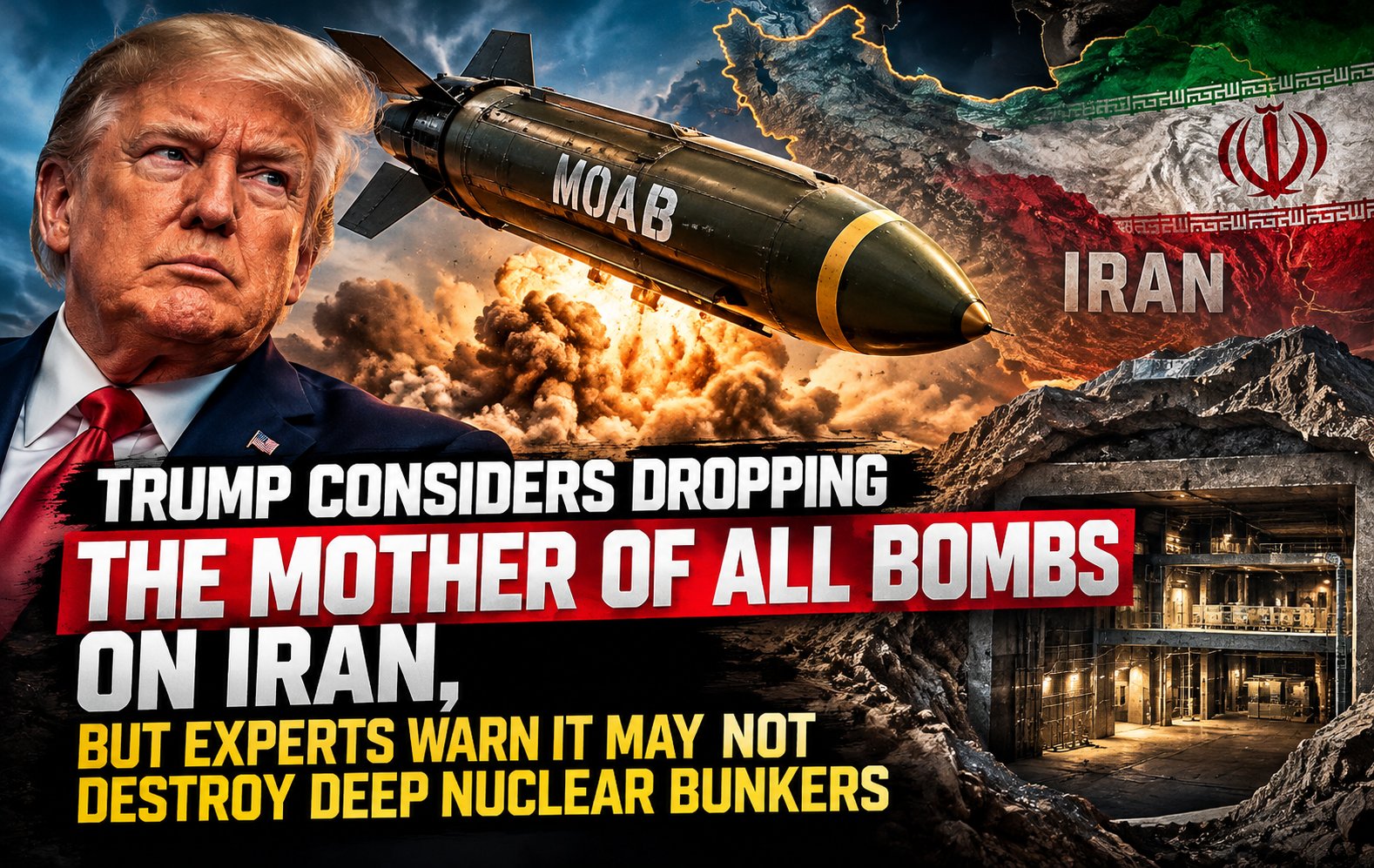
When Donald Trump withdrew from the Obama administration’s Iran nuclear agreement in 2018, he argued that the United States had been handed a bad deal. The Joint Comprehensive Plan of Action (JCPOA), he said, provided sanctions relief without permanently eliminating Iran’s path to a nuclear weapon. His administration promised something stronger, tougher, and more permanent. The strategy was straightforward: abandon diplomacy, apply maximum economic pressure, isolate Tehran internationally, and force the Islamic Republic into accepting sweeping concessions.
Eight years later, after sanctions, assassinations, military escalation, regional warfare, and a 3.5 month conflict that pushed the Middle East to the brink of a broader regional war, the United States appears poised to sign a framework agreement with the same government it once vowed to break. That reality has fueled criticism from analysts, lawmakers, and some regional allies who argue that the administration’s strategy has not only failed to achieve its original objectives but may have made the long-term security situation substantially worse.
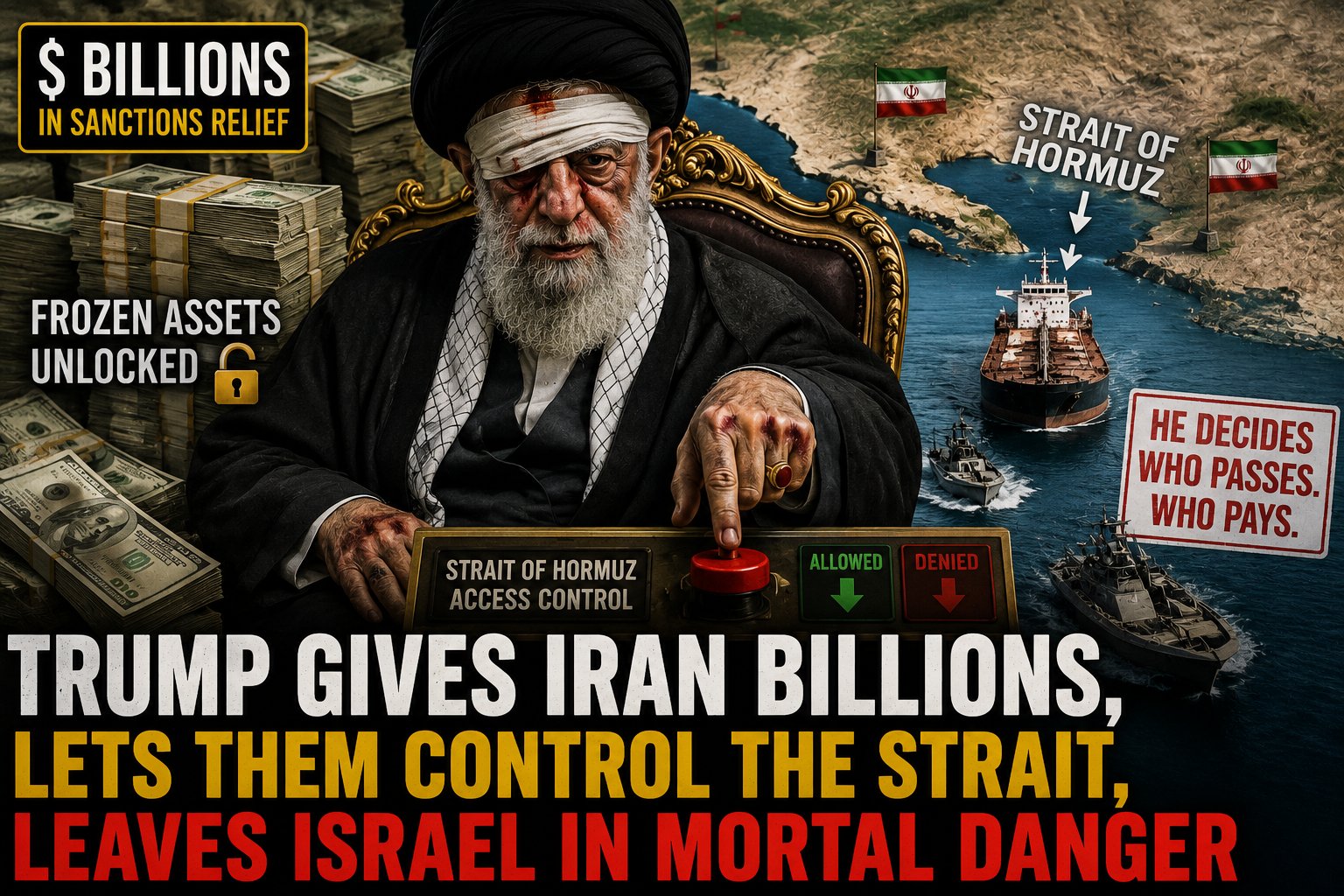
The “Supervillain” Theory of Foreign Policy
The criticism is not simply that Washington failed to remove the Iranian regime. It is that years of escalating pressure may have strengthened the very forces inside Iran that American policymakers claimed they were trying to weaken.
At the center of that argument is a familiar historical pattern. Governments often assume that removing leaders automatically removes threats. In reality, power vacuums frequently produce successors who are younger, more ideological, more radical, and less interested in compromise than the figures they replace. Critics of the administration’s Iran strategy argue that the United States spent nearly a decade dismantling diplomatic channels and escalating military pressure without developing a realistic plan for what would come next.
The result, they contend, is a Middle East that looks significantly more dangerous today than it did when the United States withdrew from the JCPOA.
The Collapse of Maximum Pressure
The 2018 withdrawal represented more than a simple policy reversal. It fundamentally altered the relationship between Washington and Tehran. While opponents of the nuclear agreement argued it contained major flaws, international inspectors repeatedly reported that Iran was complying with the deal’s technical requirements. By abandoning the agreement and reimposing sanctions, the United States shifted from a strategy of containment to one of coercion. The expectation inside the administration was that economic collapse would force Iran either to negotiate on American terms or face internal political upheaval.
Neither outcome occurred.
Instead, Iran adapted. Hardline political factions gained influence. Regional tensions increased. The Persian Gulf became increasingly unstable. Attacks on shipping, proxy conflicts, and military confrontations became recurring features of the relationship. Every escalation seemed to generate another escalation in return.
The Soleimani Doctrine and Its Consequences
The killing of Iranian General Qasem Soleimani in 2020 accelerated that trend. Supporters viewed the strike as a necessary response to Iranian aggression and a major victory against one of the architects of Tehran’s regional strategy. Critics argued that while Soleimani’s removal eliminated an important figure, it did not eliminate the institutions, ideology, or strategic objectives that shaped Iranian policy. In many respects, they argue, it convinced Iranian leadership that survival itself depended on developing stronger deterrence capabilities. The lesson learned in Tehran was not that resistance was futile, but that weakness was dangerous. That debate has returned with renewed intensity following the 2026 conflict.
From Regime Change to Negotiation
The war was accompanied by rhetoric suggesting transformational objectives. Administration officials and supporters spoke openly about permanently degrading Iran’s military capabilities, destroying its ability to project power throughout the region, and potentially creating conditions for major political change inside the country. President Trump repeatedly encouraged the Iranian people to challenge their government, feeding speculation that Washington viewed the conflict as a possible catalyst for regime change.
Yet the framework now emerging appears dramatically different from those early expectations.
Iran’s government remains in power. The country’s core security institutions remain intact. Nuclear negotiations are continuing rather than concluding. Questions surrounding missile programs, proxy organizations, and long term regional influence remain unresolved. Even supporters of the agreement acknowledge that many of the most difficult issues have merely been postponed to future negotiations.
Israel’s Strategic Dilemma
For critics, that outcome raises uncomfortable questions about the cost of the conflict. After years of sanctions, military operations, economic disruption, and regional instability, they argue the United States appears to be negotiating over many of the same issues that existed before the maximum pressure campaign began.
The situation is particularly sensitive in Israel, where officials have long viewed Iran as the primary strategic threat facing the country. Israeli leaders supported efforts to weaken Tehran’s regional network and saw the recent conflict as an opportunity to significantly reduce Iran’s military capabilities.
The emerging ceasefire framework, however, has exposed growing differences between Washington and Jerusalem. Critics inside Israel argue that the agreement leaves major security concerns unresolved while providing Tehran with a path back into international markets and diplomatic negotiations.
A Region More Dangerous Than Before?
Whether those fears ultimately prove justified remains to be seen. Supporters of the agreement argue that avoiding a wider regional war is itself a major strategic success. They point to reopening commercial shipping lanes, reducing pressure on global energy markets, and preventing additional bloodshed as evidence that diplomacy remains preferable to endless escalation. The deeper question, however, extends beyond the details of any single agreement. It concerns whether the United States spent nearly a decade pursuing a strategy that produced the opposite of its intended result.
The Verdict History Will Deliver
Trump entered office arguing that Obama’s Iran deal was too weak. He promised a stronger agreement, a weaker Iran, and a safer Middle East. Today, critics argue that Washington finds itself negotiating with the same regime, confronting many of the same security challenges, and operating in a region that is arguably more unstable than it was in 2018.
History will ultimately determine whether the administration’s strategy was a necessary show of strength or a costly strategic miscalculation. But as diplomats prepare to finalize the latest framework agreement, one criticism continues to gain traction: that years of maximum pressure did not eliminate the threat posed by Iran. Instead, it may have hardened it.

































Want to join the conversation?
Create an account or sign in to share your thoughts, vote,
and reply to other readers.
Showing 0 of 0 comments
Don't have an account?
Already have an account?