
Trump’s $100,000 H-1B Fee: A Legal Minefield and a Nightmare for U.S. Business Owners
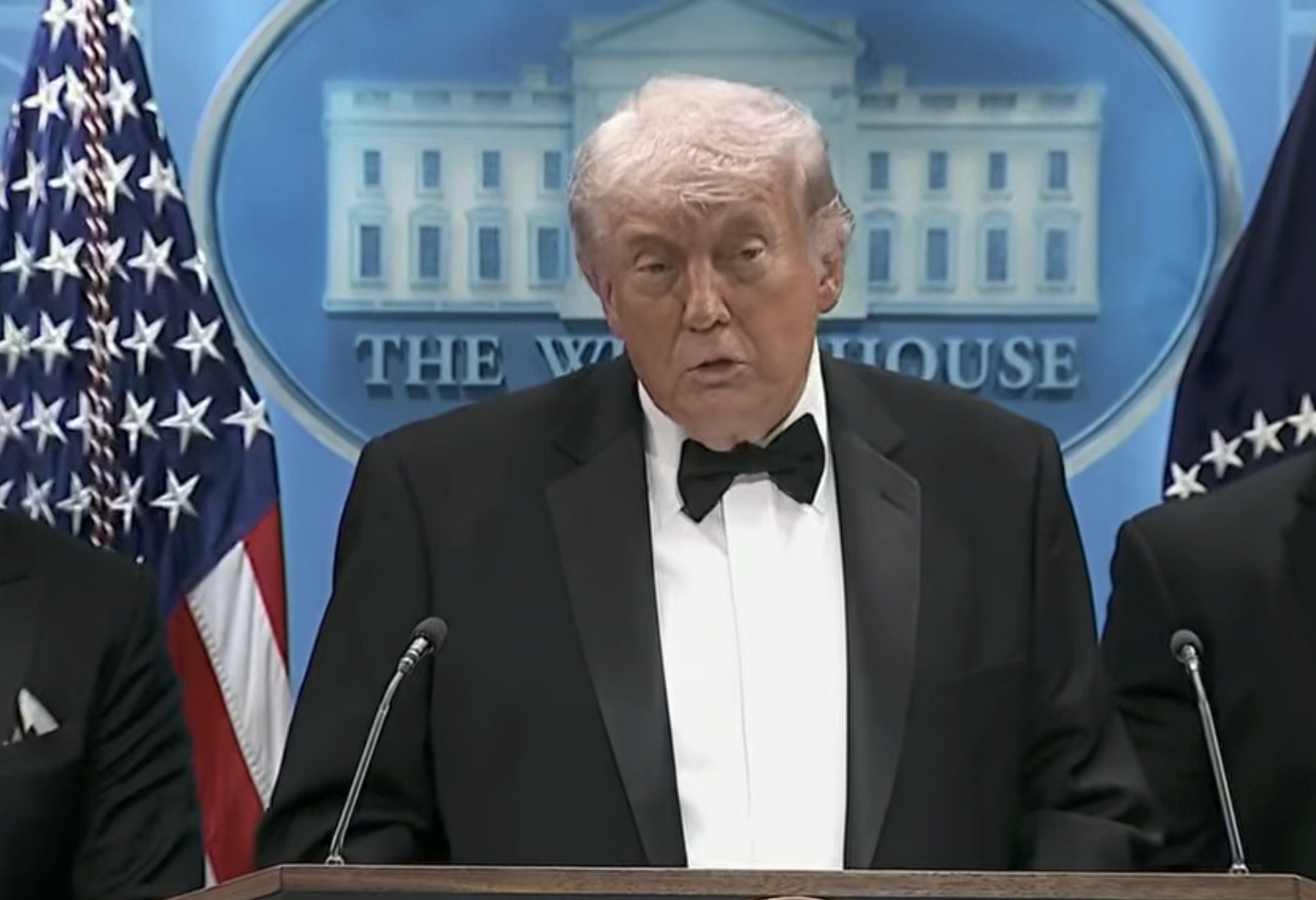
President Donald Trump has unleashed one of the most dramatic changes to U.S. immigration policy in decades by signing a proclamation that slaps a staggering $100,000 fee on H-1B visas for high-skilled foreign workers. He also unveiled a $1 million “gold card” and a $5 million “platinum card” visa for wealthy applicants. The move is already being blasted as legally dubious and economically destructive, raising alarms across industries that rely on global talent.
What the Order Actually Does
Under the proclamation, new H-1B applicants outside the United States and those attempting to re-enter on these visas would face a $100,000 charge. This represents a seismic jump from the existing $215 filing fee. While current visa holders and domestic renewals appear exempt for now, the White House has signaled the fee will apply going forward as a condition of entry.
Alongside the H-1B hike, Trump rolled out new pay-to-play visas. The “gold card” offers a path to citizenship for $1 million, while the “platinum card” allows foreign nationals to spend most of the year in the U.S. without tax liability on foreign income for $5 million. These programs are meant to replace employment-based green card categories that historically benefited professors, scientists, and artists.
Commerce Secretary Howard Lutnick defended the policy as a way to force companies to “train Americans,” openly admitting the administration expects visa usage to collapse because it will “just not be economic anymore.” Critics argue the move is less about reform and more about dismantling the existing immigration framework.
The Legal Question: Can Trump Really Do This?
The president’s authority here is not unlimited, and this policy is almost certain to be challenged in federal courts. Immigration law gives Congress, not the White House, the power to set visa categories, numbers, and fees. While presidents do have broad authority under sections of the Immigration and Nationality Act to restrict entry if it is deemed harmful to national interests, using that authority to impose what is essentially a six-figure tax on visas pushes legal boundaries.
This is where the “major questions doctrine” looms large. Courts have increasingly ruled that when an executive action has sweeping economic or political consequences, Congress must have clearly authorized it. A $100,000 visa fee is not a minor tweak, it is a fundamental rewrite of the H-1B program. Without explicit statutory authority, the order may not withstand judicial review.
Legal scholars also warn of due process and equal protection claims, particularly if the policy results in inconsistent treatment between existing holders, new applicants, and different visa categories. Lawsuits by states, corporations, and advocacy groups are inevitable, and courts may issue injunctions halting implementation.
Why Business Owners Should Be Alarmed
For U.S. companies especially in technology, research, and professional services this is not just a regulatory change. It is an existential threat to their ability to hire and retain talent.
1. Talent Pipeline Collapse
H-1B visas are the backbone of many firms’ ability to recruit engineers, programmers, and researchers when the U.S. labor market cannot supply enough workers. A $100,000 fee makes most positions financially impossible to justify, cutting off access to critical skills.
2. Uncertainty and Chaos
The policy rollout leaves major questions unanswered. Is the fee annual or one-time? What happens to employees abroad who need to re-enter? How will renewals be handled? Businesses cannot make long-term staffing plans under such murky rules.
3. Competitive Disadvantage
Large corporations may absorb the costs, but startups, research institutions, and smaller firms will be crushed. The result will be fewer jobs, delayed projects, and reduced competitiveness on the global stage.
4. Compliance Burdens
Navigating the new rules will force employers to bring in immigration counsel, document exemptions, and prepare for litigation. These compliance costs pile onto the financial shock of the fees themselves.
What Happens Next
The fight over this proclamation will play out in court. Lawsuits are virtually guaranteed, and injunctions may temporarily block enforcement. But even if courts ultimately strike it down, the uncertainty it creates is devastating for businesses that depend on long-term workforce planning.
For U.S. business owners, the message is clear: hiring international talent just became a legal and financial nightmare. Whether or not the courts undo this, the chilling effect on recruitment, investment, and competitiveness is already here.
Sources
- Associated Press: Trump signs proclamation adding $100K annual fee for H-1B visa applications (AP News)
- Reuters: Trump to impose $100,000 fee per year for H-1B visas, in blow to tech (Reuters)
- Washington Post: Trump’s changes to skilled worker visas spark confusion. Here’s what to know. (The Washington Post)
- WilmerHale client alert: New Proclamation Restricts Entry of H-1B Visa Holders and Imposes $100,000 Fee (WilmerHale)
- Ogletree insights: H-1B Visa Holders Face $100000 Entry Fee (Ogletree)
- CBS News: Trump administration to add $100000 fee for H-1B visas (CBS News)
















































Want to join the conversation?
Create an account or sign in to share your thoughts, vote,
and reply to other readers.
Showing 0 of 0 comments
Don't have an account?
Already have an account?