
The Rise of Vintage Culture: From Small-Town Brazil to Global DJ Icon
“I came from a place where electronic music barely existed. Today, I carry my culture to the world.” – Vintage Culture
A Small-Town Beginning
Vintage Culture, born Lukas Rafael Ruiz Hespanhol in 1993, grew up in Mundo Novo, a rural town in the Brazilian state of Mato Grosso do Sul. In a part of Brazil known more for cattle ranching and border trade than nightclubs or festivals, access to electronic music was limited. Yet, Lukas found a way to connect with global sounds, spending hours online listening to house, techno, and disco.
His early remixes including bold reworks of New Order’s “Blue Monday” and Pink Floyd’s “Another Brick in the Wall” gave him an underground following. Those tracks traveled far beyond Brazil, spreading across blogs, SoundCloud, and eventually into festival sets by other DJs. For a kid from the countryside, the internet became both a stage and a launchpad.
Breaking Through the Noise
By the late 2010s, Vintage Culture had broken into the international scene. His sound, a fusion of house, melodic techno, and deep, groove-driven cuts, resonated with audiences craving music that was both danceable and emotionally rich.
Key milestones included:
Signing to international labels while still running his own Brazilian imprint, Só Track Boa, which grew into a cultural brand of its own.
Performing at massive festivals such as Tomorrowland, Coachella, and Ultra.
Climbing the DJ Mag Top 100 DJs list, where he consistently ranks as one of the most influential names in electronic music.
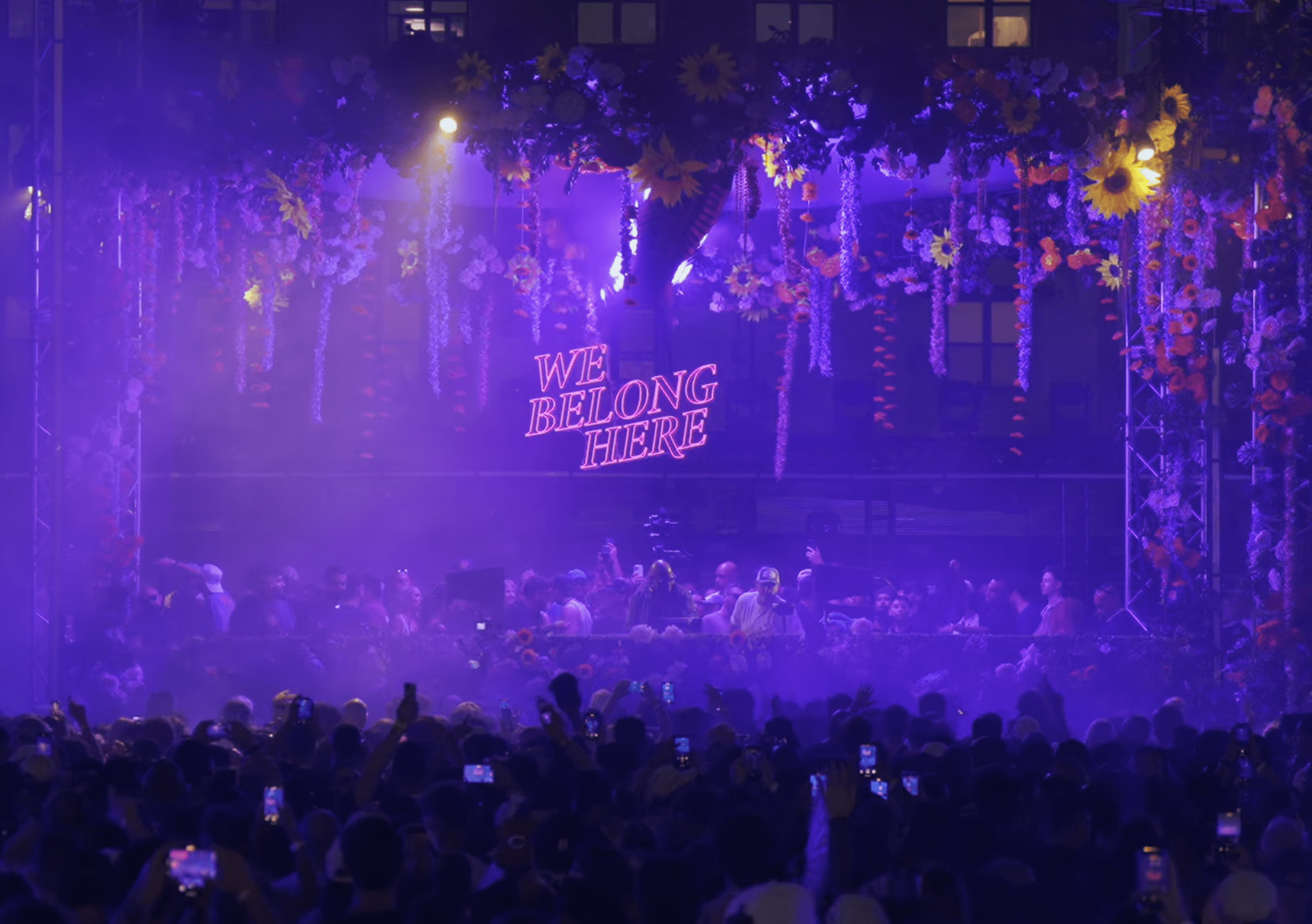
Unlike many DJs who thrive in a single market, Vintage Culture has built a career that spans continents, playing residencies in Ibiza, club dates in Europe and North America, and stadium shows in Latin America.
A Sound Rooted in Nostalgia, Aimed at the Future
The name “Vintage Culture” is more than branding it’s a statement of intent. His music often nods to the past, drawing on retro synth textures, disco-era grooves, and remixed classics. Yet the productions are polished, forward-looking, and designed for the global main stage.
This balance between retro and modern has become his trademark. He offers audiences the comfort of familiarity a vocal line they know, a synth they half-remember while pushing them into new, euphoric territory. In an era of disposable digital tracks, his sound feels intentional, crafted, and enduring.
The Debut Album: Promised Land
For years, Vintage Culture’s reputation was built on singles, remixes, and live sets. But in 2024, he announced his debut album, Promised Land, marking a turning point. No longer just a DJ stringing together hits, he began shaping a full narrative project. The album explores themes of growth, loss, love, and cultural identity. It’s both a statement of maturity and a sign that Vintage Culture wants to move beyond the DJ booth into the territory of timeless producers.
Challenges on the Way Up
With global success comes global pressure. Vintage Culture faces the constant demand of fans who want the familiar sound, promoters who expect a festival-ready set, and an industry that rewards safe, crowd-pleasing hits over experimentation. He has acknowledged the tension between wanting to innovate and the fear of alienating his audience. His strategy has been patience, releasing more experimental work only when he feels the audience is ready. This calculated pacing shows both discipline and vision.
Why He Matters
Vintage Culture isn’t just another name in the electronic scene. He represents:
The globalization of EDM: A reminder that the next superstar doesn’t have to come from London, Berlin, or New York. Talent and persistence can launch from anywhere.
The power of remix culture: His rise proves that reimagining classics can be a legitimate artistic and strategic path.
The bridge between past and present: By calling himself “Vintage Culture,” he embodies the synthesis of nostalgia and modernity — a DJ who reinterprets the past to define the future.
South Florida Connection
In South Florida, where Latin American influence and nightlife culture intersect, Vintage Culture’s success story resonates. Miami clubs and festivals are natural stages for his sound, and his Brazilian roots make him particularly appealing to audiences across Latin America and the Caribbean. Expect to see more of him in Miami’s electronic circuit, where retro-infused house and techno already have a thriving base.
The Road Ahead
The question now is not whether Vintage Culture will remain relevant it’s how far he will go. His next steps likely include:
Cementing himself as a festival headliner on par with the likes of Carl Cox, Tiësto, or David Guetta.
Expanding his label and brand Só Track Boa into a global imprint.
Exploring deeper crossovers with pop and mainstream audiences without losing his underground credibility.
What makes him compelling is that he isn’t just a DJ playing records, he’s crafting an identity, a movement, and perhaps even a new era in electronic music.
Vintage Culture’s rise is a story of persistence, timing, and vision. From a border town in Brazil to the biggest stages in the world, he has turned nostalgia into innovation and remixes into an empire. In doing so, he’s reshaping not just Brazil’s place in electronic music, but the global definition of what a superstar DJ can be.
















































Want to join the conversation?
Create an account or sign in to share your thoughts, vote,
and reply to other readers.
Showing 0 of 0 comments
Don't have an account?
Already have an account?