
SNL Mocks Trump’s “Make Iran Great Again” Push as War Messaging Dominates Headlines
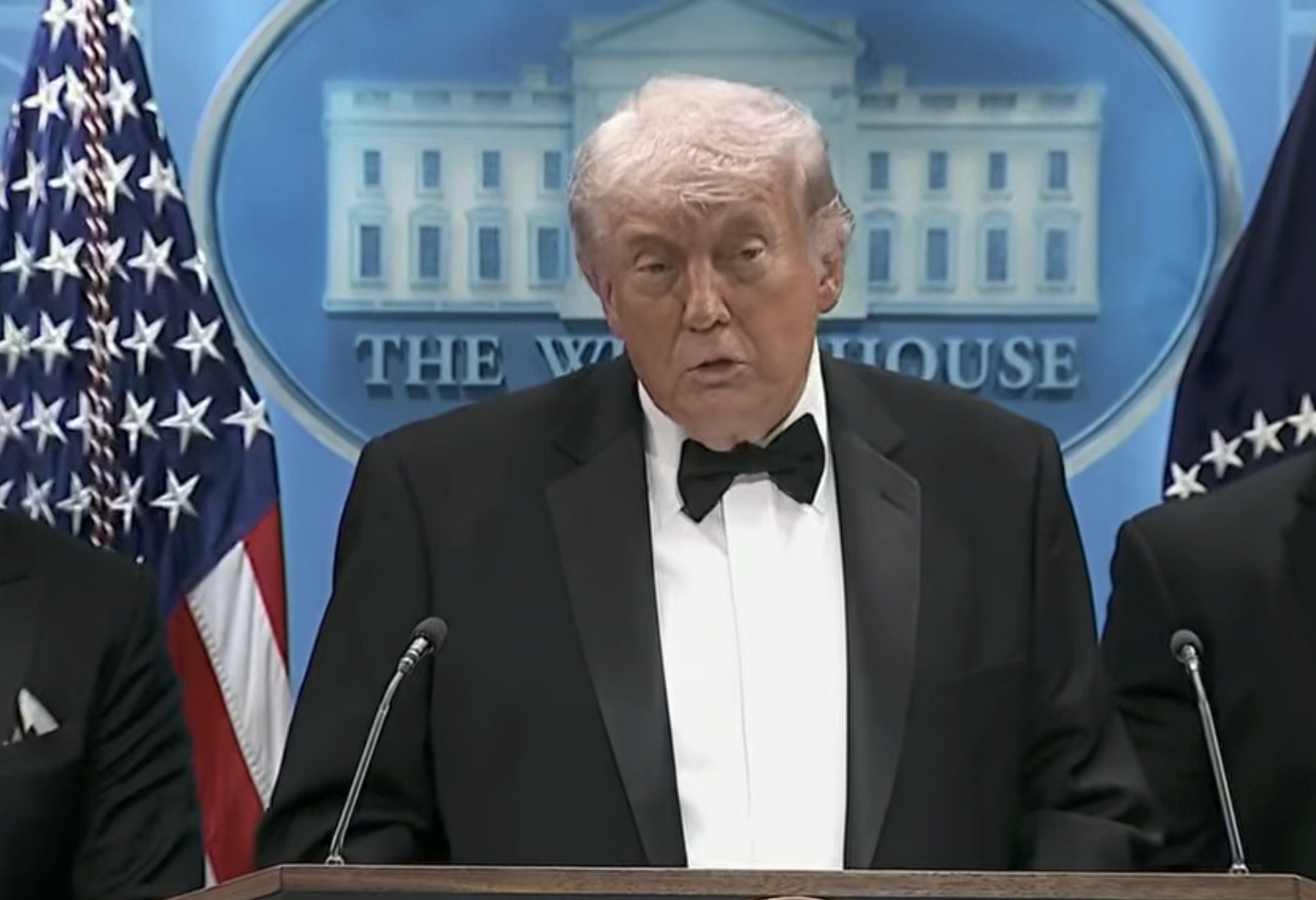
As tensions surrounding the U.S. conflict with Iran continue to shape global politics, Saturday Night Live’s Weekend Update delivered a biting cultural snapshot of the moment, targeting President Donald Trump’s increasingly slogan-driven rhetoric, including his call to “Make Iran Great Again.”
The satirical segment portrayed Trump declaring victory in the conflict almost immediately and framing a complex regional war in campaign-style language. While exaggerated for comedic effect, the jokes landed in a political environment where the administration’s real-world messaging has already drawn s
As tensions surrounding the U.S. conflict with Iran continue to shape global politics, Saturday Night Live’s Weekend Update delivered a biting cultural snapshot of the moment, targeting President Donald Trump’s increasingly slogan driven rhetoric, including his call to “Make Iran Great Again.”
The satirical segment portrayed Trump declaring victory in the conflict almost immediately and framing a complex regional war in campaign-style language. While exaggerated for comedic effect, the jokes landed in a political environment where the administration’s real-world messaging has already drawn scrutiny from military analysts, foreign policy experts, and political opponents.
A War Framed as Political Branding
Trump has repeatedly suggested that Iran could become prosperous and stable if its current leadership were replaced, framing U.S. military action as part of a broader mission to reshape the country’s future. His use of the phrase “Make Iran Great Again” echoes the branding that defined his domestic political campaigns and reflects an approach that blends national security messaging with political identity.
In recent weeks, U.S. strikes have targeted Iranian missile infrastructure, logistics hubs, and strategic energy assets. The administration has argued that these actions are necessary to weaken Iran’s ability to threaten regional allies and disrupt global commerce. Trump has also demanded what he describes as “unconditional surrender” from Iranian leadership, raising questions about whether the conflict is intended as a limited military campaign or a step toward regime change.
The Cultural Reaction to Escalation
The Weekend Update segment tapped into broader public unease about how modern wars are communicated and understood. By depicting Trump celebrating battlefield success before long-term outcomes are clear, the show highlighted concerns that political narratives can outpace strategic realities.
Comedy has historically functioned as an informal gauge of national sentiment, particularly during periods of military conflict. From Vietnam to Iraq, satirical portrayals of wartime leadership have often reflected deeper anxieties about mission clarity, cost, and credibility. The current moment appears no different, as public discourse increasingly unfolds not only in press briefings and congressional hearings but also in viral clips and late night monologues.
Tactical Success vs Strategic Uncertainty
Military analysts note that early operational victories, such as degrading missile capabilities or striking high value targets, do not necessarily translate into long term strategic success. Iran retains regional proxy networks and ideological support structures that could sustain pressure across multiple fronts even if conventional military assets are weakened.
Meanwhile, the economic implications of the conflict continue to ripple outward. Disruptions to energy infrastructure and shipping routes in the Persian Gulf have contributed to market volatility, reinforcing the reality that the war’s consequences extend far beyond the battlefield.
Messaging in the Age of Social Media War
The administration’s communications strategy has also drawn attention for its cinematic presentation of military operations, sometimes blending official announcements with visually dramatic promotional content. Supporters argue this approach projects strength and resolve in a fragmented media environment. Critics contend it risks trivializing the human and geopolitical stakes involved.
The SNL segment distilled that debate into a familiar comedic formula: exaggeration used to reveal underlying tensions. By framing Trump’s rhetoric as indistinguishable from campaign slogans, the show underscored how the boundaries between governance, branding, and entertainment have increasingly blurred.
Trump’s call to “Make Iran Great Again” reflects a broader strategic vision that combines military pressure with the belief that political transformation can be accelerated through force. Whether that vision leads to stabilization or deeper regional instability remains uncertain. What is clear is that the conflict is unfolding not only through airstrikes and diplomatic maneuvering, but also through narratives competing for public trust. As satire continues to mirror real policy debates, the war with Iran is becoming as much a battle over perception and legitimacy as it is over territory or tactical advantage.















Want to join the conversation?
Create an account or sign in to share your thoughts, vote,
and reply to other readers.
Showing 0 of 0 comments
Don't have an account?
Already have an account?