
Media Consolidation, Political Power, and the Israel Debate: What Happens When Billionaires Buy the News
American journalism is no longer just an industry. It is infrastructure political, cultural, and increasingly geopolitical. Over the last decade, a small group of ultra-wealthy investors has acquired or attempted to acquire major newsrooms, studios, and digital platforms. The most recent wave of consolidation involving the Ellison family has intensified scrutiny not only because of the size of the transactions, but because of the political and foreign policy affiliations surrounding them. When billionaires with strong political alignments purchase media institutions, the issue is not conspiracy. It is credibility. And credibility is capital.
The Ellison Factor
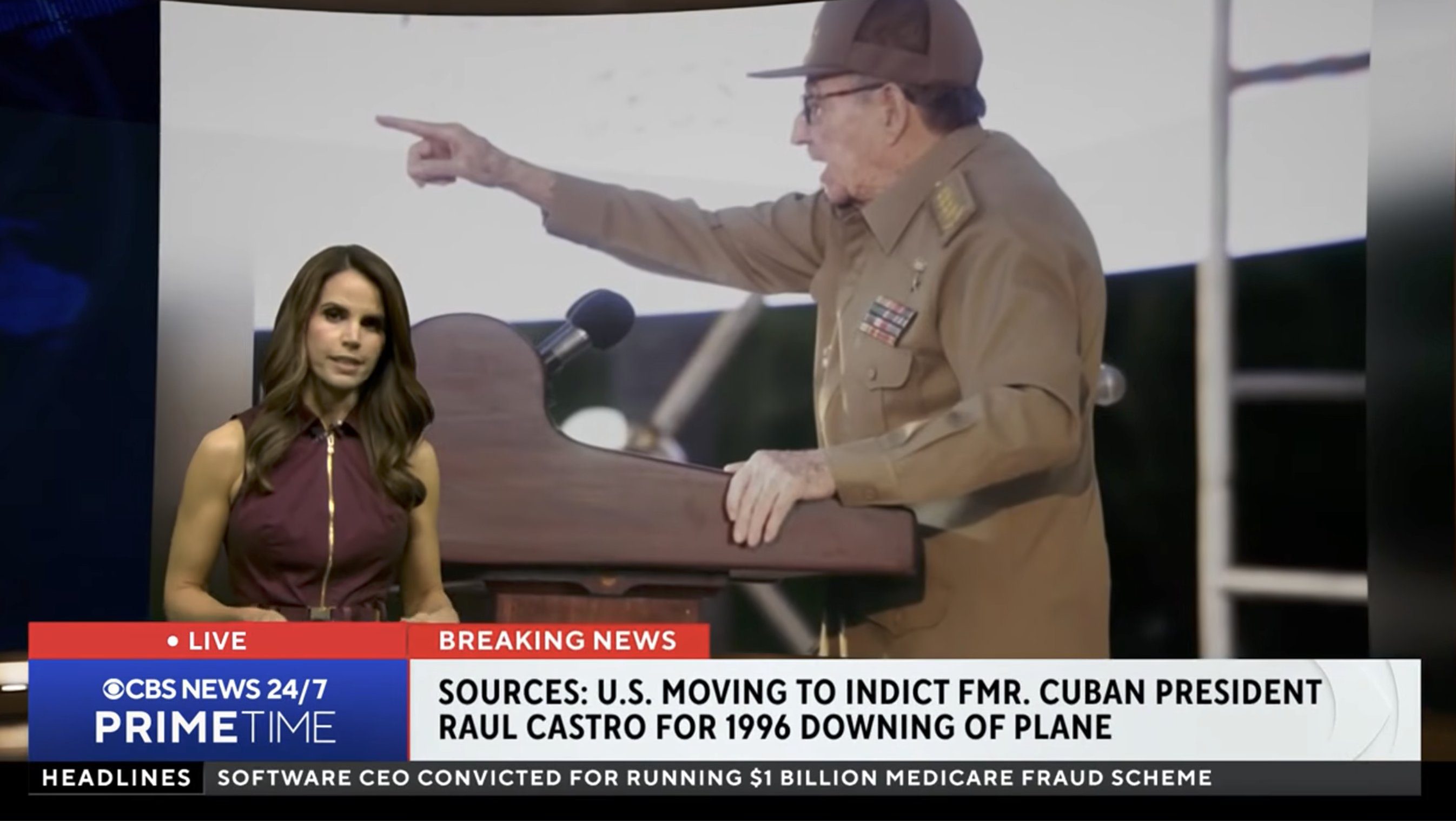
Larry Ellison built Oracle Corporation into one of the most powerful enterprise software companies in the world. He is also one of the country’s largest political donors, with documented financial support for Republican candidates and causes. His son, David Ellison, leads Skydance Media, which has been central to restructuring efforts involving Paramount Global, the parent company of CBS News and a vast portfolio of broadcast and entertainment assets. These are not fringe outlets. They are pillars of the American information system. Ownership at that scale shapes incentives, editorial, financial, and cultural, whether explicitly directed or not.
Political Donations and Public Alignment with Israel
Larry Ellison has publicly donated millions to Republican campaigns and hosted political fundraisers. He has also contributed to pro-Israel organizations, including Friends of the Israel Defense Forces. His support for Israel is not hidden; it is documented and openly expressed.
This matters for one reason: foreign policy debates are now domestic political flashpoints.
Since the October 7 attacks and the subsequent Gaza war, American public opinion has fractured sharply along generational and partisan lines. Social media platforms have amplified pro-Palestinian and pro-Israel narratives at unprecedented scale. When politically aligned investors with strong, public positions on Israel acquire major media assets, scrutiny is inevitable.
It is important to be precise here: there is no verified evidence that the Ellisons are directed by the Israeli government or acting as intelligence proxies. No credible reporting supports that claim. But alignment, donations, and relationships influence perception and in media, perception is everything.
The TikTok Precedent and the Information Battlefield
Congress mandated ByteDance divest majority ownership of TikTok over national security concerns tied to China. Oracle became central to U.S.-based data hosting arrangements as part of that process. Lawmakers cited data security. Others raised concerns about algorithmic influence over political narratives, particularly among young Americans consuming information about Gaza. Former Secretary of State Hillary Clinton publicly warned that young voters were getting their understanding of October 7 and the war primarily through TikTok. The lesson is clear: governments and political actors view digital platforms as strategic terrain. When tech billionaires who are politically active expand into media ownership during that environment, questions about narrative influence are not fringe, they are structural.
Consolidation and Editorial Gravity
Media consolidation is not hypothetical. It is measurable.
Research from the Pew Research Center and multiple journalism schools has documented that ownership concentration often leads to:
• Reduced newsroom staffing
• Increased financial pressure on investigative reporting
• Greater sensitivity to advertiser and political backlash
• Less diversity in editorial voice
Ownership does not need to dictate headlines directly. Cultural gravity shifts through hiring decisions, executive appointments, and resource allocation. When a newsroom understands its owner’s political commitments, subtle incentives follow. That does not equal propaganda. It does mean independence must be demonstrated, not assumed.
CBS Already Pulled a “60 Minutes” Segment, Igniting a Firestorm
The credibility debate surrounding the Ellison-linked restructuring of CBS intensified in December 2025, when CBS News chief Bari Weiss pulled a scheduled 60 Minutes investigative segment just hours before it was set to air. The report, titled “Inside CECOT,” examined allegations of abuse at El Salvador’s Terrorism Confinement Center, where Venezuelan migrants had reportedly been transferred under Trump-era deportation policies. According to internal accounts and subsequent reporting, the segment had already cleared fact-checking, legal review, and standards approval. It had also been promoted for broadcast.
The decision to halt the segment reportedly came after the Trump administration declined to provide on-the-record comment. Weiss and CBS leadership argued that additional context was necessary before airing the piece. Correspondent Sharyn Alfonsi strongly disagreed, characterizing the move internally as political rather than editorial and warning that requiring participation from the subject of an investigation as a condition of publication could create a dangerous precedent for future reporting.
When the segment later surfaced through a Canadian broadcaster, it circulated widely online, fueling backlash inside the newsroom and among longtime viewers. Critics argued the move signaled a shift in editorial posture under new leadership. Supporters of Weiss maintained that heightened standards and balance were appropriate for politically sensitive investigations. There is no evidence of foreign government direction in the decision. However, the controversy underscored a larger issue: when ownership structures shift and politically prominent executives take control of legacy news institutions, editorial calls, even defensible ones, are viewed through a political lens.
For 60 Minutes, a program whose brand rests on decades of hard-edged investigative reporting, perception alone carries consequences. In modern media economics, trust can erode in a single news cycle and rebuilding it can take years.
The Paramount Controversy
Recent trade reporting referenced internal tensions at Paramount regarding actors perceived as politically extreme or antisemitic in the context of Gaza protests. The company has not publicly confirmed any formal blacklist policy. What is verifiable is that major studios are navigating intense political pressure from both pro-Israel and pro-Palestinian constituencies. Studios are businesses. Risk management is part of their mandate. The broader question is whether corporate risk management begins to influence newsroom culture.
Valuation and Trust
A media company’s value is not purely revenue-driven. It is reputation-driven. The Edelman Trust Barometer has shown persistent declines in trust toward media institutions. Ownership changes frequently intensify skepticism, especially when buyers are overtly political. Investors assess risk. Advertisers assess brand safety. Journalists assess independence. If a significant portion of an audience perceives a news organization as aligned with a specific political or foreign policy position because of its ownership, engagement can decline. In a fragmented digital environment, credibility is fragile. When credibility erodes, so does valuation.
The Real Democratic Tension
The danger of consolidation is not secret intelligence directives. There is no evidence of that. The danger is homogenization, the narrowing of institutional perspectives when capital, politics, and media power converge. The Israel debate adds emotional intensity because it intersects with war, identity, religion, and U.S. foreign aid. In that environment, even documented political donations can fuel suspicion. The remedy is not speculation. It is transparency. Media organizations owned by politically active billionaires must operate with heightened disclosure, editorial firewalls, and structural safeguards. The public does not need to assume malice. But it has every right to demand independence.
Media consolidation during geopolitical conflict magnifies scrutiny. Political donations shape perception. Foreign policy alignment raises questions, even absent proof of control. There is no verified evidence that media assets owned by the Ellison family function as agents of a foreign government. There is clear evidence that concentrated ownership in politically polarized times strains public trust. And in journalism, trust is the only currency that cannot be replaced.












































Want to join the conversation?
Create an account or sign in to share your thoughts, vote,
and reply to other readers.
Showing 0 of 0 comments
Don't have an account?
Already have an account?