
Trumps Tariffs
While many Americans express concern over the impact of President Donald Trump’s tariffs, some business leaders see them as a necessary safeguard for domestic industries. One such advocate is Stephen Capone, president of Capone Iron Corporation, who argues that tariffs provide essential protection against foreign competition.
In an interview with José Díaz-Balart, Capone explained why he supports tariffs, particularly on steel and aluminum imports. “For years, we’ve had to compete with foreign companies that benefit from government subsidies and lower production costs,” he said. “These tariffs level the playing field and give American manufacturers a fair shot.”
The Case for Tariffs in the Steel Industry
Capone’s perspective highlights a key argument in favor of tariffs: the need to shield domestic industries from unfair foreign competition. Many U.S. manufacturers struggle to compete with steel imported from countries like China, where government subsidies and lower labor costs drive down prices. Tariffs on foreign steel, Capone argues, help domestic producers retain market share, invest in their businesses, and keep American workers employed.
According to Capone, the benefits of tariffs extend beyond just one company. “A strong steel industry is essential to our national security and infrastructure,” he said. “If we lose our ability to produce steel, we become dependent on other nations. That’s not a risk we should be willing to take.”
The Broader Debate Over Tariffs
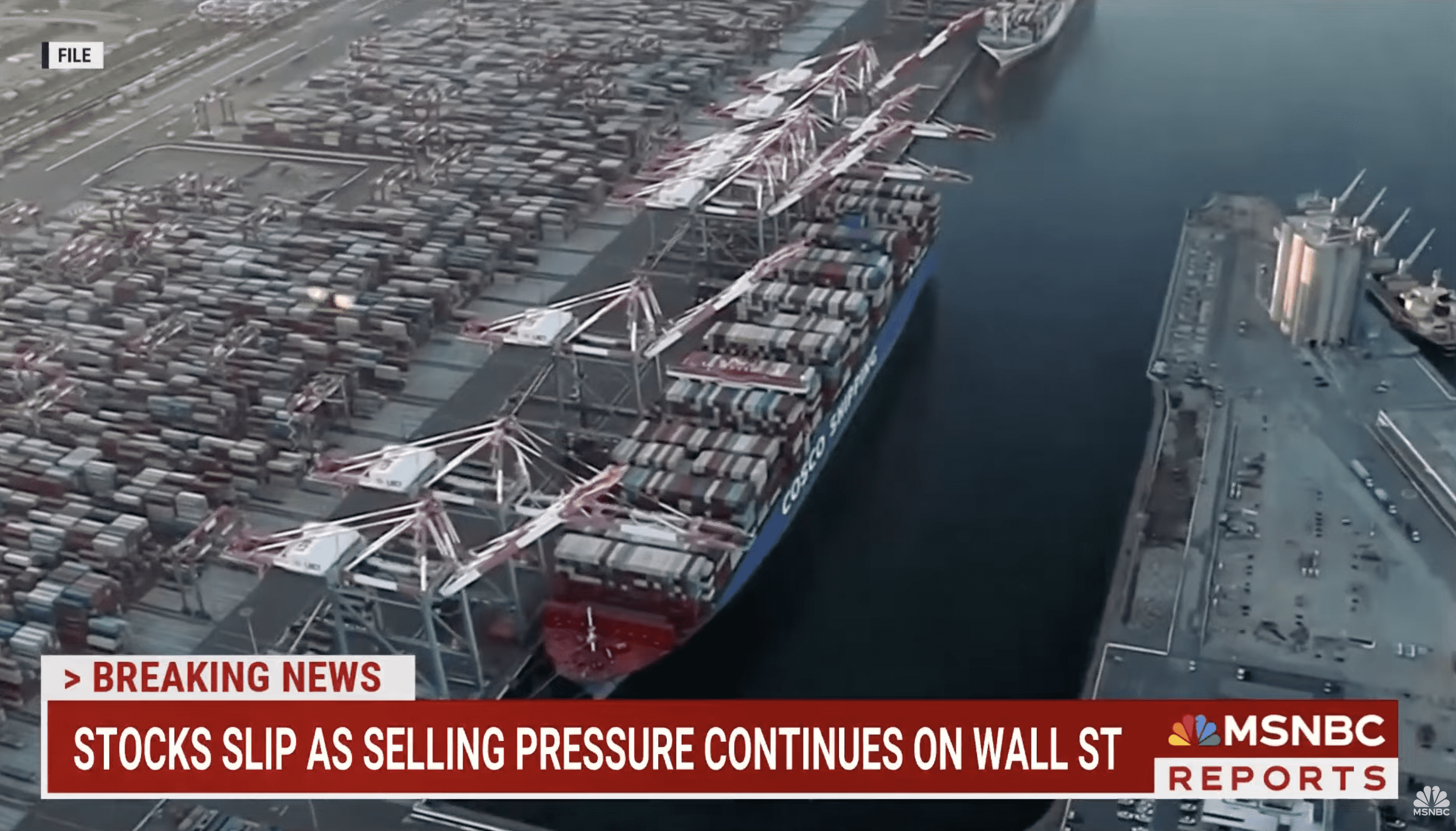
Despite Capone’s support, tariffs remain a contentious issue. Critics argue that they raise costs for American businesses that rely on imported materials, ultimately leading to higher prices for consumers. Additionally, retaliatory tariffs from other countries can hurt U.S. exporters.
However, Capone insists that the long-term benefits outweigh the short-term costs. “We need to take a step back and think about what’s best for our country in the long run,” he said. “Yes, tariffs may cause some disruptions, but they’re necessary to ensure the survival of key industries.”
As the debate over tariffs continues, voices like Capone’s serve as a reminder that trade policies can have both winners and losers. While some industries bear the burden of higher costs, others see tariffs as a lifeline that protects jobs and strengthens domestic production. Whether tariffs remain a fixture of U.S. trade policy will depend on future administrations and evolving global economic conditions.











































Want to join the conversation?
Create an account or sign in to share your thoughts, vote,
and reply to other readers.
Showing 0 of 0 comments
Don't have an account?
Already have an account?