
Nearly 30 Years Later, Tupac Shakur’s Murder Finally Goes Before a Jury as Keffe D’s Own Words Take Center Stage
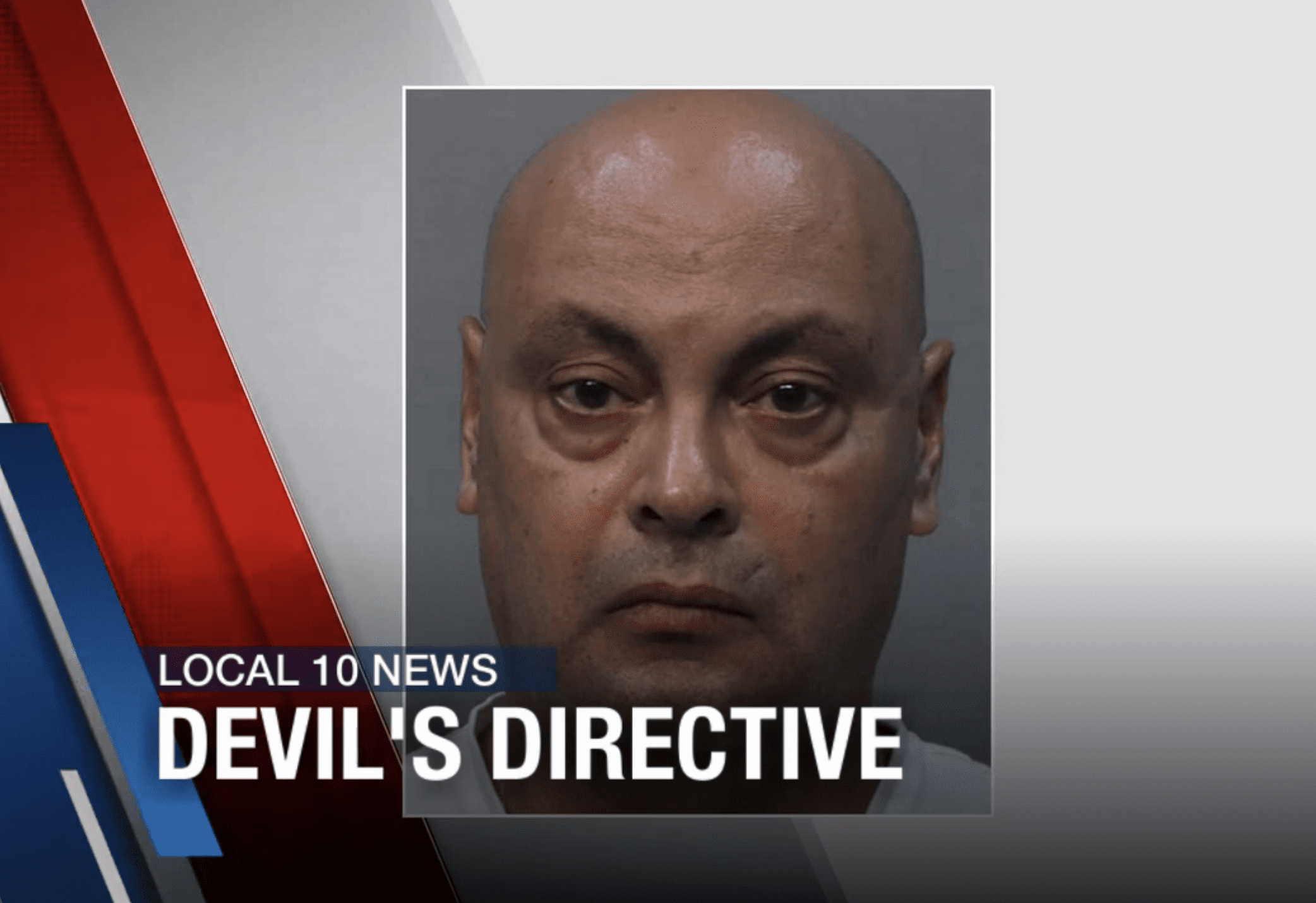
Nearly three decades after Tupac Shakur was gunned down on the Las Vegas Strip, one of the most infamous unsolved killings in American music history is finally being tested inside a courtroom. Duane “Keffe D” Davis, 63, is standing trial in Clark County District Court on a charge of murder with a deadly weapon with the intent to promote, further or assist a criminal gang. Prosecutors say Davis helped orchestrate the September 7, 1996, drive-by shooting that mortally wounded Shakur following a Mike Tyson fight at the MGM Grand. Davis has pleaded not guilty and faces the possibility of life in prison if convicted.
The case is unusual because prosecutors do not accuse Davis of actually firing the shots. Instead, they argue he helped organize the retaliation, obtained the gun and participated in the attack after Shakur and members of the Death Row Records entourage assaulted Davis’ nephew, Orlando “Baby Lane” Anderson, inside the MGM Grand earlier that evening. Nevada law allows prosecutors to pursue a murder conviction against someone they believe intentionally aided or facilitated a killing even if that person did not pull the trigger.
But perhaps the strangest element of the prosecution is where much of its evidence came from: Keffe D himself. After decades without a murder charge, Davis repeatedly discussed the shooting in interviews, conversations with investigators and his 2019 memoir. Now his defense is asking jurors to believe that some of the most incriminating things Davis ever said about Tupac’s murder were essentially stories he told for attention and money.
Prosecutors Say Tupac’s Killing Was Revenge
The prosecution’s theory begins hours before the shooting. On September 7, 1996, Shakur attended the Mike Tyson Bruce Seldon fight at the MGM Grand with Death Row Records co-founder Marion “Suge” Knight and members of their entourage. After the fight, surveillance cameras captured Shakur and others attacking Orlando Anderson inside the casino. Anderson was Davis’ nephew and was associated with the South Side Compton Crips. Prosecutors argue that the beating triggered an immediate desire for retaliation.
Chief Deputy District Attorney Binu Palal told jurors that Davis did not fire the weapon but planned the shooting in retaliation for what happened to Anderson. The state’s contention is that Davis and three other men then traveled through Las Vegas in a white Cadillac searching for Shakur and Knight. They eventually encountered Knight’s BMW near Flamingo Road and Koval Lane. Gunfire erupted. Shakur was struck multiple times. Knight was wounded but survived. Shakur was rushed to University Medical Center and died six days later, on September 13, 1996, at just 25 years old.
Keffe D’s Own Voice Could Be the Prosecution’s Most Powerful Witness
The prosecution’s greatest advantage may also explain why this case took nearly 30 years to reach a jury. Davis talked. Jurors have now heard a 2008 recording in which Davis told investigators he was inside the Cadillac involved in the shooting. According to the Associated Press, Davis said his nephew Orlando Anderson fired the fatal shots after Davis passed a gun toward him.
Davis subsequently discussed the killing publicly and wrote about it in his 2019 memoir, “Compton Street Legend.” Those statements became enormously important to investigators because the other three men prosecutors say occupied the Cadillac are dead. Anderson died in an unrelated shooting in 1998. The passage of three decades has also left prosecutors without many of the evidentiary advantages that would normally accompany a murder investigation.
There is no newly discovered DNA breakthrough tying Davis to the scene. There is no murder weapon suddenly recovered with his fingerprints. Instead, the state is attempting to build its case around Davis’ own accounts, surviving witnesses, historical police work and evidence reconstructing the gang conflict surrounding the shooting. That creates an extraordinary courtroom dynamic: prosecutors are effectively telling jurors that one of the strongest witnesses against Duane Davis is Duane Davis.
The Defense Has an Extraordinary Response: Don’t Believe Keffe D
Defense attorney Michael Sanft has adopted an aggressive strategy that turns Davis’ years of public storytelling against the prosecution. Sanft argues that his client exaggerated, embellished and fabricated stories about his involvement in Tupac’s murder to sell books, attract media attention and build his reputation.
Reuters described the unusual defense strategy succinctly: Davis’ lawyers are essentially asking the jury not to believe their own client’s previous statements. Sanft told jurors that authorities possessed versions of Davis’ story for years without charging him and attacked the prosecution’s overall narrative as fiction. He has emphasized what the case allegedly lacks: physical evidence directly establishing Davis’ participation in the murder.
The strategy carries obvious risk. Davis spent years presenting himself publicly as someone with intimate knowledge of exactly what happened inside that Cadillac. The defense now has to convince jurors that the details were not admissions but performance. In other words, one side is saying Davis finally told the truth about one of America’s most notorious murders. The other is saying he was selling a story.
Jurors Are Being Taken Back Into the Gang War Surrounding Death Row Records
The trial is also forcing jurors into the violent ecosystem surrounding West Coast hip hop during the mid 1990s. This was not merely a celebrity feud between rappers. Death Row Records’ orbit overlapped with members and associates of the Mob Piru Bloods, while Davis was associated with the South Side Compton Crips. The tensions surrounding Death Row, Bad Boy Records, Tupac, The Notorious B.I.G. and their respective entourages existed alongside genuine gang rivalries that could carry lethal consequences.
Former Death Row security chief Reggie Wright Jr. testified that security around Shakur had been increased following the release of “Hit ‘Em Up,” Tupac’s famously incendiary attack on Biggie and Bad Boy Records. Yet on the night Shakur was shot, Wright testified that the rapper had only one security guard with him. The prosecution is using that broader history to give jurors context for why a beating inside a casino could allegedly escalate into murder only hours later.
A Hostile Witness Makes the Problems With a 30 Year Old Case Clear
One of the early witnesses demonstrated just how difficult prosecuting a decades-old gang-related murder can become. James “Mob James” McDonald, a former Death Row associate and Mob Piru member, appeared only after being compelled to testify. He openly resisted prosecutors and reportedly warned them to treat him as a hostile witness.
McDonald later explained that he did not want to help send another Black man to prison, telling People that his own experiences with incarceration shaped his unwillingness to cooperate. His testimony illustrates a fundamental weakness prosecutors face. Thirty years have passed. Memories fade. Witnesses die. Others refuse to cooperate. Gang culture has historically discouraged witnesses from assisting police, and the mythology surrounding Tupac’s death has produced decades of competing stories, rumors, documentaries, interviews and conspiracy theories. The jury’s job is not to solve all of them. It is to determine whether prosecutors can prove this particular case against Davis beyond a reasonable doubt.
Tupac’s Family Confronts His Autopsy Photographs
The trial became intensely personal when prosecutors turned from the circumstances surrounding the shooting to what the bullets actually did to Shakur’s body. Dr. Lisa Gavin, a Clark County forensic pathologist, walked jurors through Shakur’s fatal injuries while prosecutors displayed graphic autopsy photographs. Gavin did not conduct the original 1996 autopsy; she was called because the medical examiner who did has since died.
She testified that one bullet entered near Shakur’s armpit and traveled through his chest and lung. The lung collapsed and bled so severely that doctors ultimately removed it in an attempt to save his life. Other gunshots damaged his intestines and additional parts of his body. Some members of Shakur’s family left the courtroom before the photographs were displayed. Others remained. Tupac’s cousin Zayd Akinyela told the Associated Press that confronting the details offered a form of closure after waiting three decades to understand exactly what happened.
For a case that has spent decades buried beneath celebrity mythology, gang lore and conspiracy theories, the autopsy testimony stripped the story back to its most basic reality: a 25 year old man was shot repeatedly, spent six days fighting for his life and died.
Reggie Wright Jr. Reveals What Happened to Tupac’s Ashes
Then came one of the stranger pieces of testimony surrounding Shakur’s death. Reggie Wright Jr., the former Death Row security chief, testified that after Shakur was cremated, Wright personally received his ashes and made sure they were delivered to Shakur’s family. That seemingly straightforward detail intersects with one of the most bizarre stories in hip hop history.
For years, fans heard a story that members of Tupac’s own group, the Outlawz, had mixed some of his cremated remains with marijuana and smoked them during a memorial after his death. Unlike many of the conspiracy theories surrounding Tupac, this one did not originate solely on internet message boards. Members of the Outlawz themselves said they did it.
The Outlawz Said They Literally Smoked Tupac’s Ashes
In a 2011 interview, Outlawz members Young Noble and E.D.I. Mean publicly confirmed the story, describing a private memorial at a beach where friends gathered with things Tupac enjoyed, including marijuana, food and orange soda. They said some of Shakur’s ashes were mixed with cannabis and smoked as part of the farewell. Their inspiration reportedly came from Tupac himself. On “Black Jesus,” Shakur had included a lyric referencing his friends smoking his ashes after his death. E.D.I. Mean said the group interpreted the line as a request and decided to honor it literally.
There is an important caveat. Later accounts have introduced uncertainty over whether every participant actually smoked Shakur’s remains, with conflicting recollections about precisely whose ashes were used and who participated. So the safest factual formulation is that multiple Outlawz members have publicly said they smoked what they believed were Tupac’s ashes; Wright’s trial testimony independently establishes that he handled Shakur’s cremated remains and delivered them to the family. The distinction matters because the murder trial is already filled with stories that have been repeated so many times that separating firsthand evidence from legend has become part of the case itself.
Nearly 30 Years of Tupac Conspiracy Theories Are Finally Colliding With a Courtroom
Tupac’s murder has occupied a strange position in American culture since 1996. It was simultaneously a homicide investigation, a gang killing, a defining event in hip-hop history and eventually an entire industry of speculation. The absence of an arrest for nearly three decades allowed theories to flourish involving everyone from rival gang members to record executives, police officers and some of the biggest names in music.
The Davis trial is different. A criminal courtroom does not operate on what makes the most compelling documentary or viral conspiracy theory. Prosecutors must introduce admissible evidence, witnesses can be cross-examined, defense lawyers can attack inconsistencies and jurors ultimately have to decide whether the government has established guilt beyond a reasonable doubt. That process may finally separate at least some of the evidence from the mythology. But it could also expose just how difficult it is to reconstruct a gang murder three decades after the fact.
The Entire Case May Come Down to Whether Jurors Believe Keffe D
For all the history surrounding Tupac Shakur’s murder, the central issue confronting the jury is remarkably simple. Do they believe Duane Davis when he repeatedly described his involvement in the killing? Or do they believe Duane Davis’ lawyer when he says those stories were essentially bullshit? The prosecution argues that Davis’ statements contain knowledge and admissions demonstrating that he participated in a retaliatory murder. The defense argues that investigators are attempting to transform the boasts of an aging former gang figure into proof beyond a reasonable doubt despite the absence of physical evidence directly tying him to the shooting.
That contradiction sits at the center of one of the most extraordinary murder trials in recent American history. Tupac Shakur has been dead for almost 30 years. Orlando Anderson is dead. The other alleged occupants of the Cadillac are dead. Memories have deteriorated, witnesses have resisted testifying and generations of fans have grown up hearing competing versions of what happened that night in Las Vegas. Now, for the first time, a jury is being asked to decide whether one of those stories can be proven as murder. And remarkably, the man who may have done the most to put Keffe D on trial is Keffe D himself.
Sources
Associated Press — Jurors Hear Keffe D’s 2008 Account of the Tupac Shooting
Reuters — Defense Strategy in Tupac Murder Case: Don’t Believe My Client
Reuters — Prosecutors Tell Jury Tupac’s Killing Was a Retaliatory Gang Murder
Associated Press — Autopsy Photos and Medical Testimony in Tupac Murder Trial
CBS News — Tupac Autopsy Photos Shown as Pathologist Details Fatal Wounds
The Guardian — Witnesses and Gang History Take Center Stage in Tupac Trial
People — Mob James Explains His Reluctance to Testify Against Keffe D
HipHopDX — Outlawz Members Confirm Their Account of Smoking Tupac’s Ashes















































Want to join the conversation?
Create an account or sign in to share your thoughts, vote,
and reply to other readers.
Showing 0 of 0 comments
Don't have an account?
Already have an account?