
Federal Agents, Deadly Force, and a Pattern Emerging in America’s Cities
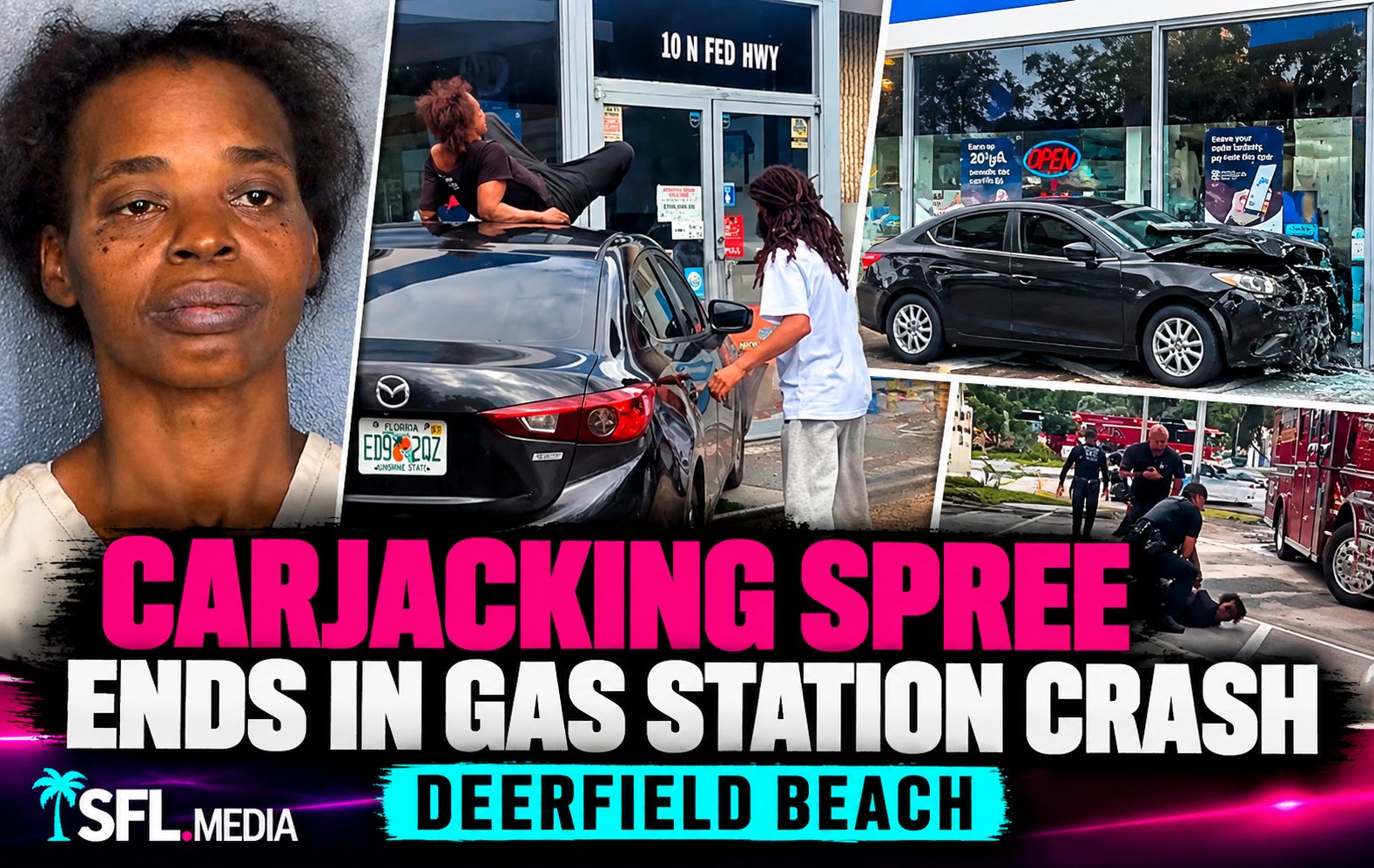
In October, Marimar Martinez, a Chicago teacher’s assistant and U.S. citizen, was shot five times by a U.S. Border Patrol agent on a residential street in the Brighton Park neighborhood. She survived. The federal government’s narrative did not.
Newly released video shown on 60 Minutes sharply contradicts the Department of Homeland Security’s initial claim that Border Patrol agents were “boxed in” and forced to fire in self-defense. The footage appears to show open space around the agents’ vehicle and Martinez’s car passing by as shots were fired raising serious questions about whether lethal force was necessary at all.
The Martinez case is no longer an isolated controversy. It is now part of a growing list of recent shootings involving Border Patrol and ICE agents operating far from the U.S. border, many of them involving U.S. citizens, many of them followed by disputed official accounts, and nearly all of them fueling public distrust.
The Chicago Shooting That Unraveled the Official Story
According to DHS, the October shooting occurred after Martinez allegedly rammed a Border Patrol vehicle, trapping agents. Within hours, federal officials labeled her a threat and publicly framed the shooting as justified.
That version of events began to collapse as evidence emerged.
Surveillance video reviewed by Martinez’s legal team shows no apparent blockade preventing agents from driving away. Body-camera audio captured during the encounter includes an agent shouting, “Do something,” just moments before shots were fired. Martinez was struck five times while inside her vehicle.
Federal prosecutors later dropped all charges against her. A judge dismissed the case with prejudice, barring the government from refiling. The agent who fired the shots has not been charged.
Martinez has said she believed she was about to be killed.
Minneapolis: When ICE Operations Turn Fatal
Just months later, Minneapolis became the epicenter of an even more explosive incident.
In January, Renée Nicole Good, a 37-year-old U.S. citizen, was fatally shot by an ICE agent during an immigration enforcement operation in north Minneapolis. Federal officials claimed Good’s SUV moved toward the agent, forcing him to fire. Witnesses disputed that account almost immediately.
Protests erupted. City officials demanded answers. Civil-rights attorneys questioned why ICE was conducting armed operations in residential neighborhoods at all.
Days later, during related enforcement activity, another ICE agent shot a Venezuelan man in the leg. DHS again cited self-defense. Again, community members pushed back, arguing the response was disproportionate and avoidable.
A Broader Pattern of Force and Misdirection
These shootings did not happen in a vacuum.
They occurred amid large-scale federal immigration enforcement campaigns that deployed heavily armed agents into urban neighborhoods often without coordination with local authorities and often under rules of engagement that remain opaque to the public.
In multiple cases, a familiar sequence has played out:
• Federal agents claim imminent danger
• A civilian is shot or killed
• Initial government statements frame the incident as unavoidable
• Video, witnesses, or court filings complicate or contradict that narrative
• Charges against civilians are quietly dropped or reduced
In Chicago, Martinez was initially portrayed as a violent aggressor. In Minneapolis, Good was described as a threat. In neither case has the government publicly reconciled its early statements with later evidence.
The Accountability Gap
Unlike local police departments, federal agencies like ICE and Border Patrol operate with limited public oversight, even when actions occur deep inside U.S. cities and involve American citizens. Internal investigations are rarely transparent. Agents are often shielded from local prosecutors. Body camera footage can take months to surface if it is released at all. For communities affected by these shootings, the result is a growing sense that federal law enforcement is operating by a different set of rules, with deadly consequences and minimal accountability.
Why This Matters Beyond Immigration
This is no longer just an immigration story.
It is a civil-rights story.
A use-of-force story.
A federal power story.
When armed federal agents conduct operations in cities, shoot civilians, and then rely on narratives later challenged by video evidence, public trust erodes fast. And when those civilians turn out to be U.S. citizens, the implications widen dramatically. The question is no longer whether these incidents are “isolated.” The question is how many more it will take before Congress, the courts, or the Justice Department forces a reckoning. Because in Chicago, Minneapolis, and beyond, one fact is no longer in dispute: The government’s first version of events is no longer being taken at face value.

































Want to join the conversation?
Create an account or sign in to share your thoughts, vote,
and reply to other readers.
Showing 0 of 0 comments
Don't have an account?
Already have an account?