
Pressure Mounts on Hegseth as Conflicting Accounts Deepen Questions Around Boat Strike
Congress seeks clarity on who authorized the second strike and why key details remain undisclosed.
In Washington, pressure is intensifying on Defense Secretary Pete Hegseth as lawmakers from both parties question his shifting public explanations about the September 2 maritime strike and the circumstances that led to a follow-up attack on survivors of the initial explosion.
The controversy, which has grown steadily since new reporting last week, entered a new phase Tuesday as senators confronted what they described as contradictions between Hegseth’s statements, Pentagon accounts, and the administration’s broader narrative about the operation. Several lawmakers expressed frustration that vital information, including strike footage and internal communications, has still not been provided to Congress.
A Growing Divide Between Hegseth’s Statements and Reporting
In remarks to reporters, Sen. Rand Paul, one of the Republican caucus’ most vocal critics of the administration’s Caribbean maritime campaign, said Hegseth’s public denial that a second strike occurred, followed by an acknowledgment the next day that Admiral Frank “Mitch” Bradley ordered it, left the secretary’s credibility in doubt.
“Either he was lying to us or he’s incompetent,” Paul said, adding that he found it implausible the defense secretary would have been unaware of an additional strike on a vessel he had been watching in real time just hours earlier.
Hegseth, for his part, maintains he left the operations room after the first explosion and only learned later that Bradley had ordered the follow-up strike. He has denied giving any order to kill survivors, calling that reporting inaccurate.
Still, his explanations have done little to settle the matter for lawmakers who say the conflicting accounts, paired with the administration’s refusal to release video of the operation, raise new concerns instead of resolving old ones.
Calls for accountability and unanswered questions
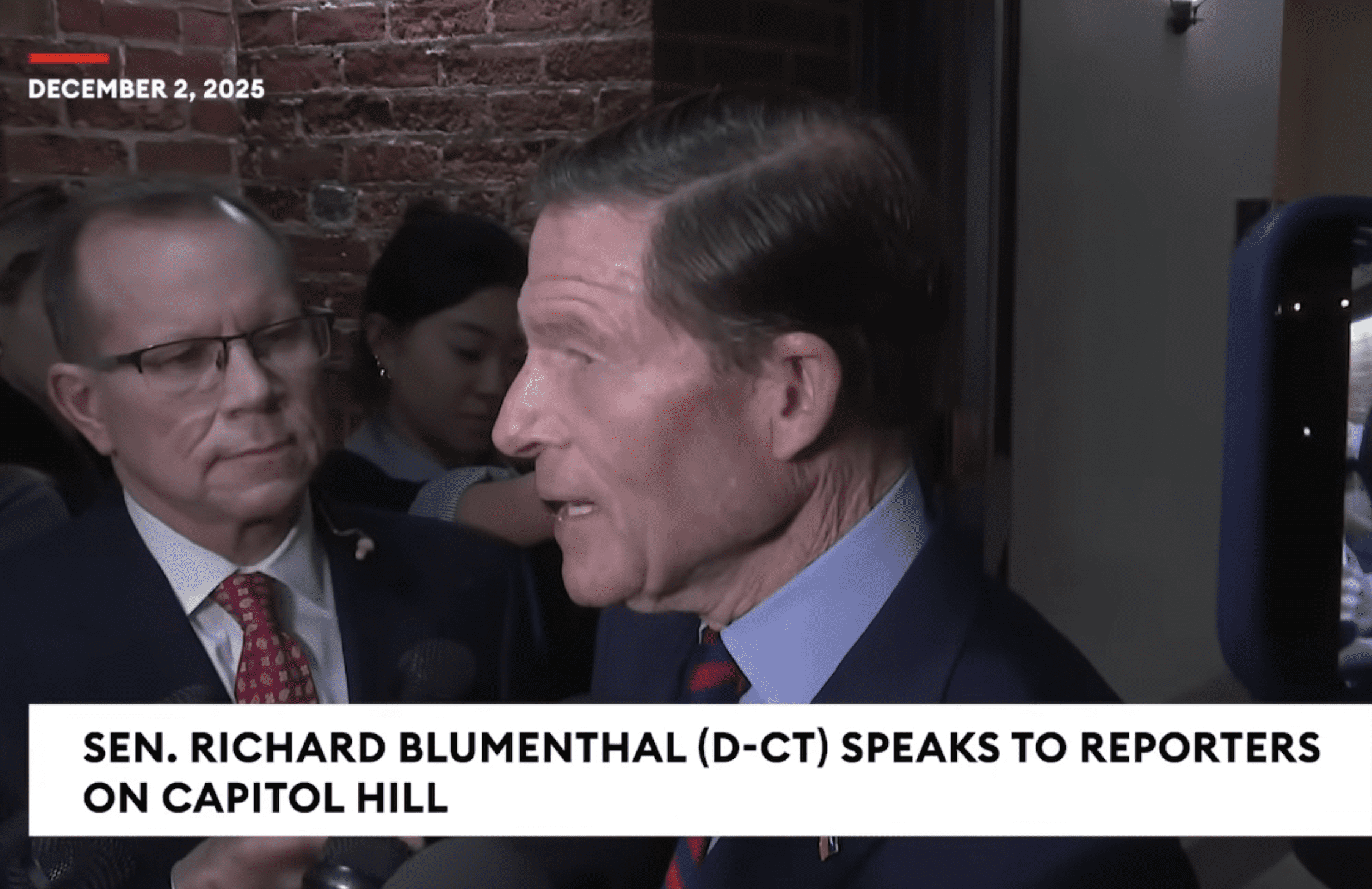
Sen. Richard Blumenthal said Tuesday that the leadership response has been “deeply troubling,” criticizing what he views as an attempt to shift responsibility onto a senior military officer who “takes orders from civilian authority.”
“Ultimately, the accountability rests with Secretary Hegseth,” Blumenthal said. “He should be gone.”
Other senators stopped short of calling for removal but shared similar worries. Sen. Mark Kelly, a former Navy pilot, questioned why Bradley is bearing the brunt of public blame.
“Leaders don’t push responsibility down the chain,” Kelly told reporters.
Meanwhile, Sen. Thom Tillis said Congress needs to establish who authorized the second strike, describing the reported circumstances in which survivors were in the water or clinging to debris as “a serious breach of legal and moral standards” if confirmed.
Concerns about transparency and evidence preservation
The Senate Armed Services Committee is still waiting for the full set of operational materials related to the strike, including video from the aircraft involved. Several senators openly questioned why those materials have not been provided.
Sen. Jack Reed, the committee’s chair, said the lack of transparency has created a perception that information is being withheld. “I’m very suspicious that they’ve never shared that tape,” Reed said in an interview on CNN. “There are serious questions here about legality.”
Behind the scenes, congressional offices are also seeking clarity on the broader campaign. Since September, the U.S. has conducted more than 20 maritime strikes in the Caribbean and Pacific, actions that some lawmakers argue lack statutory authorization. The administration has defended the operations as necessary counter-drug missions targeting networks it considers transnational threats.
A critical briefing ahead
Adm. Bradley is scheduled to brief members in a classified setting on Thursday, the first time lawmakers will hear directly from the Navy commander at the center of the dispute. Several members say they intend to ask about the chain of command decisions, what Bradley understood about survivors on the scene, and whether he was instructed in advance to ensure that “no one” was left.
Many on Capitol Hill expect the briefing to be a pivotal moment in determining whether Congress seeks formal testimony from Hegseth himself.
So far, the secretary has not indicated he will appear before the committee, though members on both sides have begun calling for sworn testimony. Whether the administration ultimately agrees to that could shape how quickly the controversy grows or whether it begins to settle.
For now, the questions remain where they have been for days: Who made the decision to strike again? What information did they have at the time? And why, months later, has so little of that record been shared with Congress?











































Want to join the conversation?
Create an account or sign in to share your thoughts, vote,
and reply to other readers.
Showing 0 of 0 comments
Don't have an account?
Already have an account?