
Erika Kirk, Viral Meltdown, and a Disinformation Storm After the White House Correspondents’ Dinner Shooting
The internet did what it always does after a traumatic public event: it fractured reality into competing narratives, stitched together fact, parody, and conspiracy, and then blasted it across millions of screens before anyone could separate truth from noise. At the center of that storm this week is Erika Kirk, the widow of Turning Point USA founder Charlie Kirk, who became a viral flashpoint after the April 25, 2026 shooting at the White House Correspondents’ Dinner in Washington.
What started as real footage from a chaotic evacuation has now spiraled into accusations, parody videos, and conspiracy theories, some of them wildly detached from reality. Here’s what actually happened, what didn’t, and why this story matters beyond the noise.
The Incident That Sparked It All
The foundation of this entire controversy is real. On April 25, shots were fired near the security screening area of the White House Correspondents’ Dinner, one of the most tightly controlled political media events in the country. Secret Service agents moved quickly, evacuating high profile attendees as panic spread through the venue. Among those caught on camera was Erika Kirk.
Video from the scene shows her visibly shaken, emotional, and being escorted out by security. In one clip circulating widely online, she appears overwhelmed, repeating that she wants to leave. That footage is authentic. It reflects a person reacting in real time to a potentially deadly situation. What happened next is where the story begins to fracture.
The Viral Video and Political Blame
Within hours of the incident, Erika Kirk released a follow up video addressing the shooting and that’s where the tone shifted from trauma to politics. In the video, she links the attack to broader ideological forces, blaming the political left and what she described as “radicalized” educators. Her argument centers on reports that the suspect had a background in education, which she uses to reinforce long standing conservative critiques of the school system.
That framing immediately drew backlash.
Critics called it opportunistic and inflammatory, an attempt to weaponize a violent incident before facts were fully established. Supporters, on the other hand, amplified her message, arguing she was speaking uncomfortable truths. The video itself became the catalyst for what people online began calling a “meltdown,” though that label says more about internet culture than it does about the content.
The Second Wave: Viral Distortion and Misidentified Footage
Then came the second wave, the one that didn’t just amplify the story, it warped it.
As clips of Erika Kirk’s emotional reaction spread across platforms, they were quickly detached from their original context and repackaged into short form, high engagement content. Edited versions began circulating with added captions, dramatic framing, and in some cases, misleading descriptions that labeled the footage as something it wasn’t.
This is where the narrative started to break down.
Viewers encountering the clips outside their original context were left guessing: Was this a raw reaction to a real event? A staged political video? Something exaggerated for effect? The lack of sourcing, and the speed of distribution, made it nearly impossible for the average viewer to tell.
What followed was a familiar digital spiral. Some users accused Kirk of overreacting or performing for the camera. Others pushed back, pointing out that the footage came from a legitimate security incident and reflected a real moment of distress. Meanwhile, algorithm-driven amplification rewarded the most emotionally charged interpretations, not the most accurate ones.
The result wasn’t just disagreement, it was fragmentation. Different audiences weren’t debating the same facts anymore. They were reacting to entirely different versions of the same video, shaped by edits, captions, and platform bias. And once that happens, context doesn’t just get lost, it gets replaced.
The “Backstory” Being Weaponized
As the clips spread, so did a familiar tactic, digging into a public figure’s past and repackaging it as something suspicious.
Erika Kirk, formerly Erika Frantzve, has a documented background:
She won Miss Arizona USA in 2012 and competed at the national level. She briefly appeared on the Bravo reality show Summer House in 2019. Later, she transitioned into conservative media and faith based entrepreneurship before assuming leadership at Turning Point USA after her husband’s death in 2025.
None of that is controversial on its own. But in the current media climate, neutral facts rarely stay neutral. Her pageant history has been twisted into insinuations of political connections. Her television appearance has been reframed as evidence of opportunism. And her rise within Turning Point USA has become fuel for a much darker narrative.
The Conspiracy Layer: Claims Without Evidence
The most extreme claims circulating right now, that Erika Kirk is somehow linked to intelligence agencies or part of a covert operation, stem largely from commentary by Candace Owens and fringe online platforms.
Owens’ podcast series has questioned Kirk’s background, suggesting ties to powerful networks and even loosely invoking names like Jeffrey Epstein. There is no verified evidence supporting any of these claims. None.
Mainstream reporting has not substantiated the allegations, and no credible documentation has emerged to validate the “spy” narrative. What’s happening instead is a familiar pattern: internal fractures within political media ecosystems spilling into public conspiracy. It’s not new, it’s just louder now.
The Real Story: Trauma, Politics, and a Broken Information System
Strip away the noise, and the reality is straightforward:
A real shooting occurred.
A public figure reacted emotionally.
She made a politically charged statement afterward.
That statement triggered backlash.
A parody amplified the moment.
And the internet turned the entire sequence into a distorted spectacle.
What’s dangerous here isn’t just misinformation, it’s speed. Events are no longer processed. They’re immediately repackaged into narratives that serve existing beliefs, whether political, ideological, or purely entertainment-driven. And once that happens, truth becomes secondary.
Why This Matters
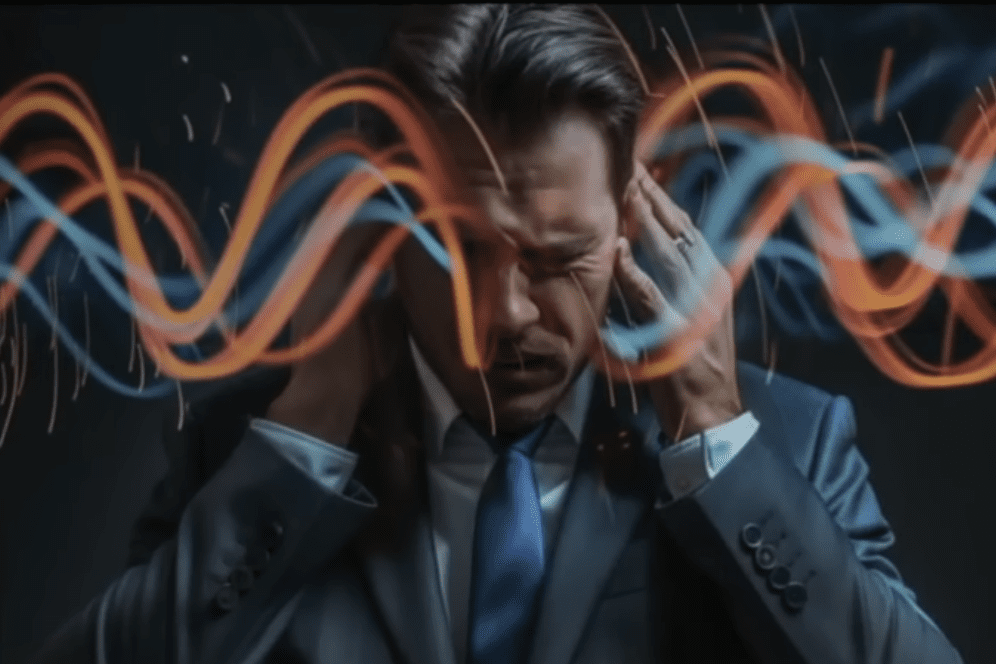
This story isn’t really about Erika Kirk. It’s about how quickly reality can be fragmented and how easily millions of people can end up arguing over entirely different versions of the same event. The White House Correspondents’ Dinner shooting should have been the focus: security failures, motive, and accountability. Instead, the spotlight shifted to viral clips, political blame, and conspiracy theories with no evidentiary basis. That’s the modern media environment in 2026. Fast. Loud. And increasingly disconnected from facts.


















































Want to join the conversation?
Create an account or sign in to share your thoughts, vote,
and reply to other readers.
Showing 0 of 0 comments
Don't have an account?
Already have an account?