
Federal Judge Unseals Purported Jeffrey Epstein Suicide Note Nearly Seven Years After Death
A federal judge has unsealed a purported suicide note allegedly written by Jeffrey Epstein during a failed suicide attempt in July 2019, reopening public scrutiny around the disgraced financier’s death and the government’s handling of one of the most controversial criminal cases in modern American history.
The undated and unsigned document was released Wednesday by U.S. District Judge Kenneth Karas as part of court filings connected to Epstein’s former cellmate, Nicholas Tartaglione, a former police officer later convicted in a quadruple murder case. Tartaglione has long claimed Epstein wrote the note after an earlier suicide attempt weeks before Epstein was ultimately found dead inside a Manhattan federal jail while awaiting trial on sex trafficking charges.
The note itself remains unverified. Still, its release instantly reignited years of speculation, conspiracy theories, and questions surrounding Epstein’s death at the Metropolitan Correctional Center in New York. According to the newly unsealed filing, the note reads in part:
“They investigated me for month – found NOTHING!!!”
It also states:
“It is a treat to be able to chose ones time to say goodbye.”
And later:
“NO FUN – NOT WORTH IT!!”
The Justice Department acknowledged this week that it does not know whether the document is authentic. “There appears to be a strong public interest in the circumstances surrounding Epstein’s death,” federal prosecutors wrote in a filing supporting the release of the documents while noting the government has “no knowledge” regarding the accuracy of the factual narrative connected to the note.
The Failed Suicide Attempt Before Epstein’s Death
The purported note allegedly dates back to July 2019, weeks before Epstein was officially ruled dead by suicide on August 10, 2019. At the time, jail officials discovered Epstein injured inside his Manhattan cell with marks around his neck. Questions immediately emerged over whether the injuries were self-inflicted or the result of an assault. Early reports indicated Epstein initially accused Tartaglione of attacking him before later withdrawing that allegation.
According to documents included in the newly released filings, Epstein was discovered “lying in the fetal position on the floor with a homemade fashioned noose around his neck.” Tartaglione has repeatedly claimed he personally revived Epstein during that incident.
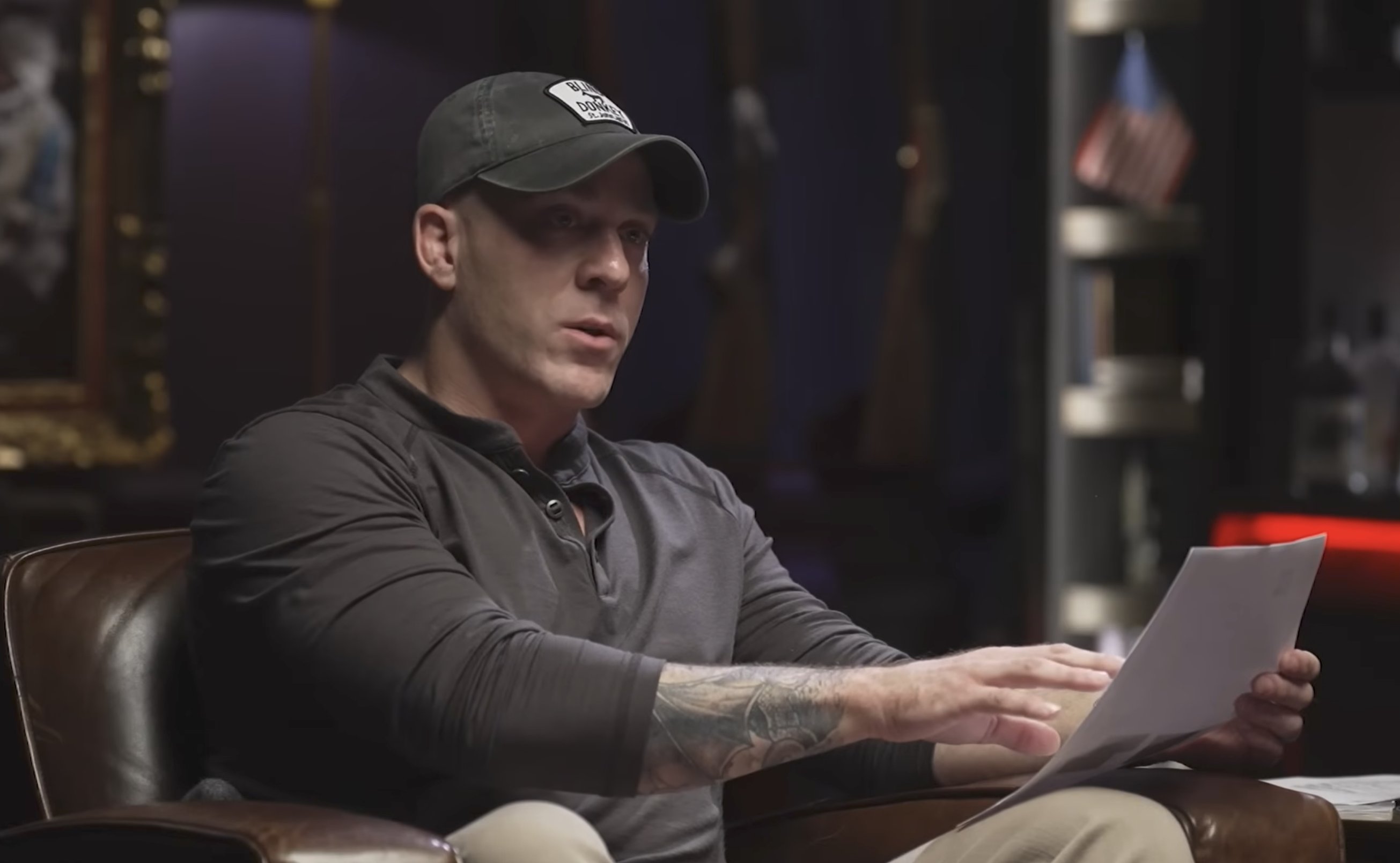
“Jeffrey Epstein tried killing himself when he was in the cell with me. I woke up, I brought him back with CPR,” Tartaglione said last year during an interview with writer and influencer Jessica Reed Kraus.
He further claimed the note was discovered hidden inside one of his books after he returned to the cell. Tartaglione also reportedly asserted that handwriting experts hired by his legal team authenticated the note, though no independent public verification has been released by federal authorities.
Contradictions Inside the Records
The newly unsealed records also highlight inconsistencies in Epstein’s own statements after the alleged suicide attempt. According to prison psychological evaluations included in the files, Epstein denied suicidal intent shortly after the incident.
“I have no interest in killing myself,” Epstein reportedly told prison officials on July 24, 2019.
The following day, he reportedly reiterated that position during another evaluation, telling a psychologist:
“I am too vested in my case to fight it, I have a life and I want to go back to living my life.”
Despite those statements, Epstein was placed on suicide watch before later being removed from heightened monitoring procedures prior to his death weeks later. Those failures inside the federal prison system became the subject of intense public criticism after Epstein’s death, especially after reports emerged that guards had allegedly falsified records and failed to properly monitor inmates.
A Case Surrounded by Conspiracy Theories
Jeffrey Epstein’s death has remained one of the most publicly disputed high profile inmate deaths in recent American history. Epstein, who maintained relationships with powerful political figures, billionaires, royalty, and celebrities across decades, was facing federal sex trafficking charges involving underage girls when he died in custody.
His death triggered immediate speculation online due to:
- His extensive elite connections
- The failures inside the jail system
- Missing or malfunctioning surveillance equipment
- Conflicting reports surrounding his injuries
- The broader secrecy surrounding parts of the Epstein investigation
The official ruling by New York City’s medical examiner concluded Epstein died by suicide by hanging. The Department of Justice later released approximately 10 hours of jail surveillance footage and stated there was no evidence Epstein had been murdered. Officials said the footage showed no unauthorized entry into the area surrounding Epstein’s cell on the night of his death. Still, public skepticism never disappeared. The newly unsealed note is unlikely to settle those debates. In many ways, it may intensify them.
Renewed Transparency Pressure on the Justice Department
The release comes amid broader pressure on the Justice Department to disclose additional Epstein related records. The New York Times first reported last week that the purported note had remained concealed from public view for nearly seven years. The newspaper later petitioned the court to unseal the document and related filings connected to Tartaglione’s criminal case.
Federal prosecutors ultimately did not oppose the request. The timing is notable because the Justice Department recently announced the release of millions of pages of Epstein related investigative materials, part of an ongoing transparency effort surrounding the sprawling sex trafficking investigation and its fallout.
For critics of the federal government, the latest document release reinforces concerns that key records connected to Epstein were withheld from the public for years. For others, the newly unsealed material simply adds another complicated layer to a case already saturated with speculation, institutional failures, and unanswered questions. Nearly seven years after Jeffrey Epstein’s death, the public still does not fully trust the official story. And every newly released document appears to deepen that distrust rather than close the book on it.
















































Want to join the conversation?
Create an account or sign in to share your thoughts, vote,
and reply to other readers.
Showing 0 of 0 comments
Don't have an account?
Already have an account?