
Epstein Survivor Marina Lacerda, Identified as “Minor Victim 1,” Speaks Out and Calls for Full Release of Epstein Files
The Jeffrey Epstein scandal continues to reverberate through the American legal and political system years after the financier’s death, as one of the key witnesses tied to the federal case has begun speaking publicly about her experience and the broader demand for accountability.
In a recent interview with TMZ, Marina Lacerda, previously identified in federal court filings as “Minor Victim 1” discussed the abuse she says she endured as a teenager and why she believes the public deserves full transparency about Epstein’s network of associates. Lacerda has emerged as one of the most significant witnesses in the federal investigation that ultimately led to Epstein’s 2019 arrest on sex-trafficking charges, a case that reignited scrutiny of the billionaire’s decades-long operation involving underage girls.
“We need transparency. The Epstein files should be released,” Lacerda said in the interview while discussing the ongoing push to disclose documents tied to the case.
Her comments come as public pressure grows for additional records connected to Epstein’s activities to be released.
A Key Witness in the Federal Epstein Case
For years, Lacerda remained publicly anonymous in legal proceedings, identified only as “Minor Victim 1” in the federal indictment filed against Epstein in the Southern District of New York. According to reporting from ABC News and other outlets, her statements were among the evidence that helped federal investigators reopen the Epstein case more than a decade after his controversial plea agreement in Florida.
Lacerda has said she first encountered Epstein as a young teenager and was 14 years old when the abuse began, describing a pattern of grooming and exploitation that prosecutors later said was consistent with testimony from multiple victims. Federal investigators concluded that Epstein operated a sex-trafficking scheme that recruited and abused underage girls, often using promises of money or opportunity to draw victims into his orbit.
The Epstein Trafficking Network
The 2019 federal indictment alleged that Epstein used a network of associates to recruit girls and transport them to his properties in:
• Palm Beach, Florida
• New York City
• New Mexico
• the U.S. Virgin Islands
Victims told investigators that what were initially described as “massages” frequently escalated into sexual abuse, and some said they were pressured to recruit additional girls into the system. Epstein was arrested in July 2019 on federal charges of sex trafficking of minors and conspiracy. He pleaded not guilty but died the following month in a Manhattan federal jail while awaiting trial. His death was officially ruled a suicide.
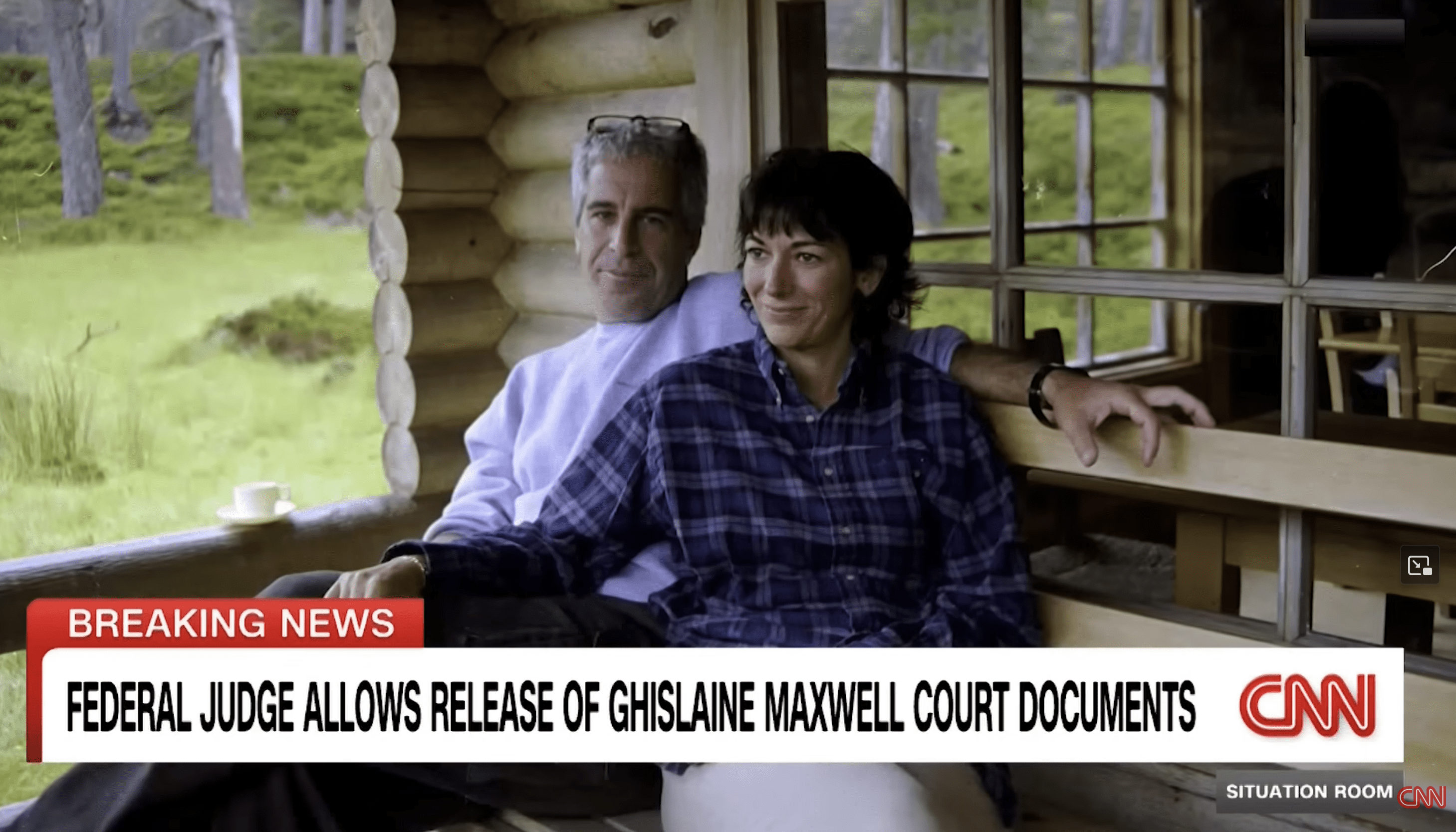
The case continued after his death through the prosecution of his longtime associate Ghislaine Maxwell, who was convicted in 2021 of helping recruit and groom underage girls for Epstein. Maxwell was later sentenced to 20 years in federal prison.
Survivors Push for Transparency
In the TMZ interview, Lacerda said that while Maxwell’s conviction represented a measure of justice, many survivors believe the broader story surrounding Epstein’s operation remains incomplete. Epstein maintained relationships with numerous powerful figures across politics, finance, academia, and entertainment, connections that have fueled ongoing calls for transparency.
Victims and advocacy groups have urged authorities to release additional records tied to the investigation, arguing that the documents could shed light on the full scope of Epstein’s network.
Survivors, Lacerda suggested, should not have to continue waiting for answers about how Epstein’s operation was allowed to continue for so many years.
A Case That Still Raises Questions
The Epstein scandal remains one of the most consequential criminal cases involving wealth and power in modern American history. Despite hundreds of millions of dollars in civil settlements paid to victims through Epstein’s estate, survivors continue to argue that key questions remain unanswered, including how the financier was able to operate for decades despite repeated warnings to law enforcement.
By speaking publicly now, Lacerda said she hopes to ensure the victims’ stories remain part of the national conversation and that the remaining records tied to Epstein’s activities are eventually made public. More than five years after Epstein’s death, the push for accountability continues.















































Want to join the conversation?
Create an account or sign in to share your thoughts, vote,
and reply to other readers.
Showing 0 of 0 comments
Don't have an account?
Already have an account?