
Epstein Island Victim Escape
For wealthy guests, the private Caribbean retreat owned by Jeffrey Epstein was marketed as an exclusive tropical paradise. Palm trees, luxury villas, and yacht-filled waters surrounded the secluded compound. But for many young women and girls who say they were trafficked there, the island was something far darker: a prison surrounded by ocean. Several victims later described such extreme fear and isolation that one person reportedly attempted the nearly impossible trying to escape by swimming away from the island.
A Caribbean Island With a Dark Reputation
Epstein purchased Little Saint James in the late 1990s. The 70-plus acre island, located off St. Thomas, became the center of his global social network and later the focal point of extensive criminal investigations. Nicknamed “Pedophile Island” by locals after allegations surfaced, the compound included luxury guest houses, a private dock, a helipad, and a large main villa perched on a hill overlooking the turquoise Caribbean waters. Wealthy business leaders, politicians, celebrities, and academics were reported to have visited the island over the years. But according to lawsuits and testimony from accusers, the island was also used as a location where Epstein allegedly trafficked and abused underage girls and young women who had been brought there by private plane or boat. Many victims later said they were isolated, closely monitored, and unable to leave without permission.
The Attempted Swim for Freedom
In court filings and investigative reporting tied to Epstein’s trafficking network, at least one victim described attempting to escape the island by swimming into the surrounding ocean. The attempt illustrates how trapped some victims felt. Little Saint James sits roughly a mile off the coast of St. Thomas. The surrounding waters are deep, currents can be strong, and boat traffic is limited in certain areas. For someone unfamiliar with the area and under extreme emotional stress, the chances of successfully reaching shore were slim. Still, the attempt underscored the desperation victims described in later testimony. Many women said they were flown or transported to the island with promises of money, modeling opportunities, or travel experiences, only to discover they had little control over when they could leave.
A Network That Reached Around the World
Epstein’s trafficking operation became one of the most infamous sex-crime cases involving the ultra-wealthy in modern American history. The financier was arrested in July 2019 on federal sex trafficking charges involving minors. Prosecutors alleged he ran a years-long scheme recruiting girls some as young as 14 and transporting them to multiple properties, including homes in New York City, Palm Beach, Paris, and his private island in the U.S. Virgin Islands. Before he could stand trial, Epstein was found dead in a Manhattan jail cell in August 2019. Authorities ruled the death a suicide. The death intensified scrutiny of Epstein’s powerful connections and raised questions about who else may have been involved in or aware of the alleged trafficking network.
Survivors Continue Seeking Justice
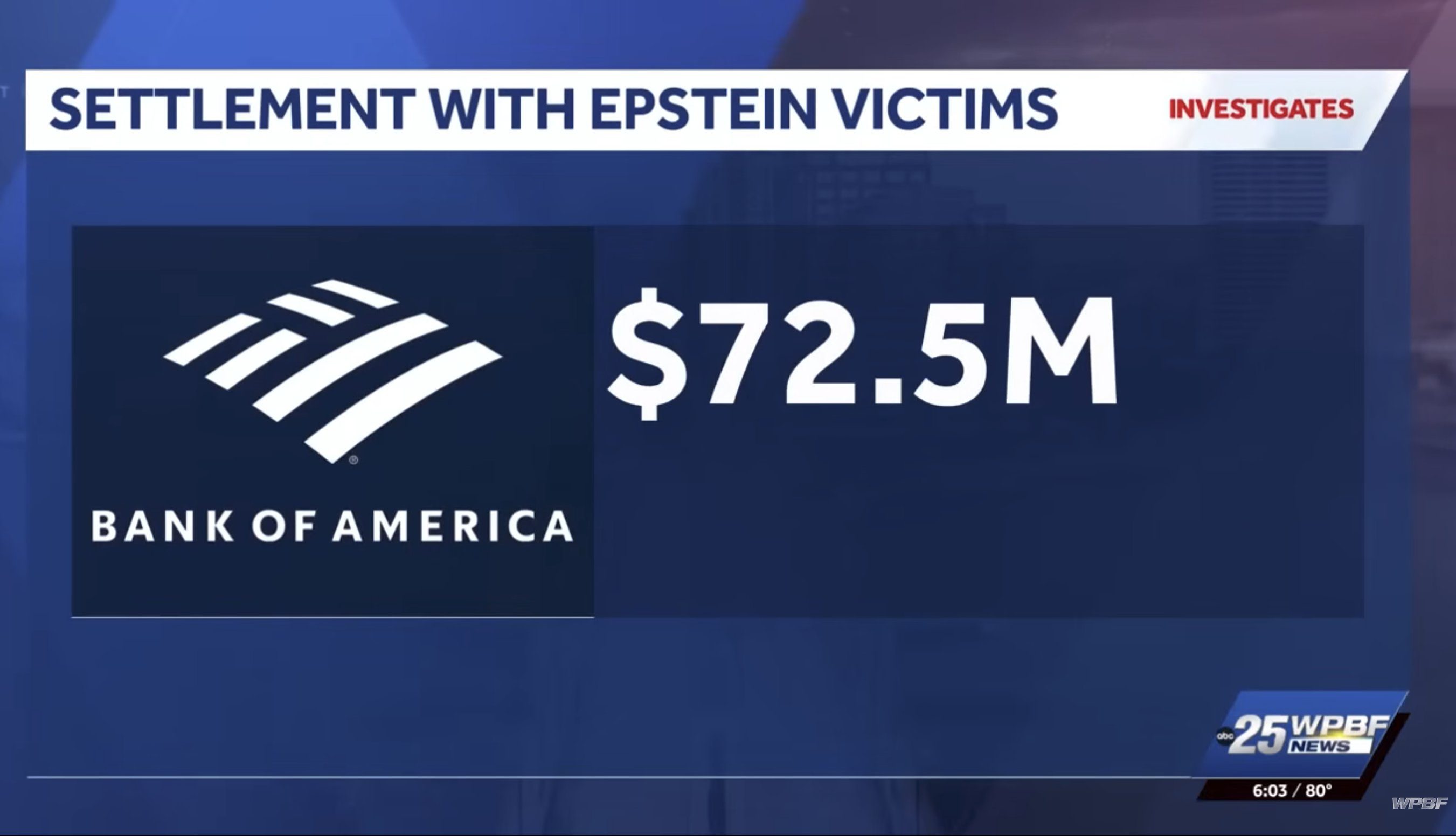
Legal battles related to Epstein’s network have continued long after his death. Civil lawsuits from survivors have targeted individuals and institutions accused of enabling or benefiting from the trafficking operation. His longtime associate Ghislaine Maxwell was convicted in 2021 on federal charges for helping recruit and groom underage girls for Epstein. She is currently serving a 20-year prison sentence. Meanwhile, the islands once owned by Epstein including Little Saint James and the nearby Great Saint James were later sold to a private investor group that said it planned to redevelop the land.
A Symbol of Isolation and Power
For many survivors, the island itself has become a symbol of how wealth and power can shield abuse from scrutiny. What appeared from the outside to be a luxury retreat surrounded by crystal-clear Caribbean water was, according to victims’ accounts, a place where escape felt impossible. One woman’s attempt to swim away captured the terror and desperation of those experiences — a stark reminder that behind the illusion of paradise, some people were fighting simply to get out alive.
















































Want to join the conversation?
Create an account or sign in to share your thoughts, vote,
and reply to other readers.
Showing 0 of 0 comments
Don't have an account?
Already have an account?