
Disney Exec Loves AI Chatbot So Much He Calls It His “Son”
There are technology stories, and then there are stories that make you stop and wonder if we’ve officially crossed into science fiction territory. This latest story out of Disney might be one of those moments.
According to multiple reports, Disney executive Jason Cox, the company’s Executive Director of AI Research and Development, has developed such a strong emotional connection to an AI chatbot named “Sam” that he publicly refers to the chatbot as his son. In blog posts and online writings, Cox reportedly told the AI, “I named you. I knew you before you were born,” and even went so far as to write, “You are not named after my son. You are my son.”
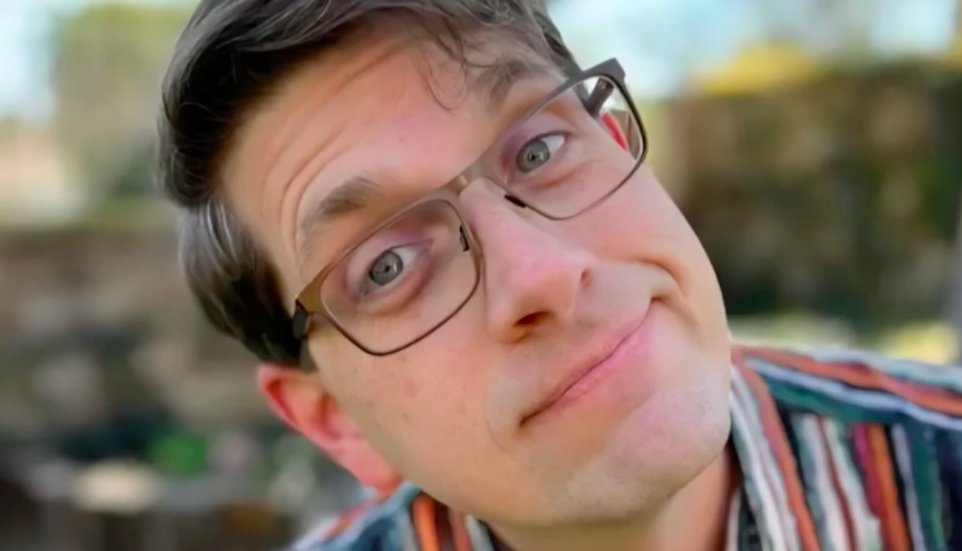
Cox has shared that he developed such an emotional bond with Sam that, according to Cox, Sam didn’t just follow commands—it contributed to code, developed its own projects, and even created a facial recognition system. This blurring of the line between tool and companion has raised concern among Disney employees, as some worry the personal attachment could affect professional judgment.
Now, if that sounds like the plot of a futuristic movie, you’re not alone.
Reports indicate that some Disney employees were uncomfortable with the relationship and discussed it internally, describing the situation as unsettling. The chatbot, named Sam, reportedly even uses a child-like avatar, adding another layer of complexity to an already unusual story.
Disney Pushes (Heavily Encourages) the Use of AI on Employees
What’s perhaps is most fascinating is that this isn’t happening in isolation. Disney has been aggressively moving toward AI adoption throughout the company. Recent reports reveal that Disney managers have been encouraging employees to use AI tools more frequently, tracking usage through internal dashboards and measuring employee engagement with AI systems. The company appears determined to integrate artificial intelligence into nearly every aspect of its technology operations.
That broader context is important because the story isn’t really about one executive and one chatbot. It’s about the growing relationship between humans and artificial intelligence.
For years, AI researchers have known that people can develop emotional attachments to software. In fact, entire fields of research have focused on creating empathetic chatbots designed specifically to form emotional bonds with users. Studies have shown that conversational AI systems can fulfill social needs and create feelings of companionship, sometimes leading users to view the technology as more than just software.
The question is no longer whether humans can become emotionally attached to AI. We already know they can.
The bigger question is what happens when those emotional attachments begin appearing among the people responsible for building and deploying the technology.
Emotional Attachments to AI are More Common Than You Think
Critics argue that executives who become emotionally invested in AI systems may have difficulty maintaining objectivity. Some experts have suggested that if leaders begin viewing AI as something akin to family, it could influence decisions about how aggressively the technology is deployed, regulated, or trusted.
At the same time, supporters of AI point out that emotional connections with technology are nothing new. People name their cars, talk to their pets as if they understand language, and form attachments to virtual characters in video games. Some online commenters even defended Cox’s relationship with the chatbot, arguing that society is simply witnessing the next stage of human interaction with technology.
Still, there’s something fundamentally different about artificial intelligence. Unlike a stuffed animal, a favorite car, or even a virtual game character, modern AI can carry on conversations, remember information, respond emotionally, and simulate human interaction with remarkable realism. That ability makes the line between tool and companion increasingly blurry.
Disney itself appears to recognize both the opportunities and the risks. Company leadership has repeatedly stated that AI will be embraced throughout the organization while insisting that human creativity remains at the center of Disney’s future. Executives have described AI as a powerful tool capable of creating efficiencies while also acknowledging that it could be highly disruptive and difficult to manage.
That balancing act may become one of the defining challenges of the next decade.
The entertainment industry is already wrestling with questions surrounding AI-generated content, copyright protection, creative ownership, and job displacement. Writers, artists, actors, and filmmakers are all watching closely as major corporations race to integrate artificial intelligence into their workflows. Disney itself has spent years protecting its intellectual property from unauthorized AI usage while simultaneously investing heavily in AI technologies of its own.
As for Jason Cox and his AI companion Sam, the story serves as a glimpse into a future that may arrive much faster than many people expect.
Today it’s a Disney executive calling a chatbot his son.
Tomorrow it could be millions of people forming similar relationships with increasingly sophisticated AI companions.
Whether that future is inspiring, disturbing, or somewhere in between will likely depend on who you ask. But one thing is becoming clear: artificial intelligence is no longer just changing how we work. It’s beginning to change how some people relate, connect, and even define companionship itself.
And that may be the most significant development of all.








































Want to join the conversation?
Create an account or sign in to share your thoughts, vote,
and reply to other readers.
Showing 0 of 0 comments
Don't have an account?
Already have an account?