
Fake Marriage Scheme
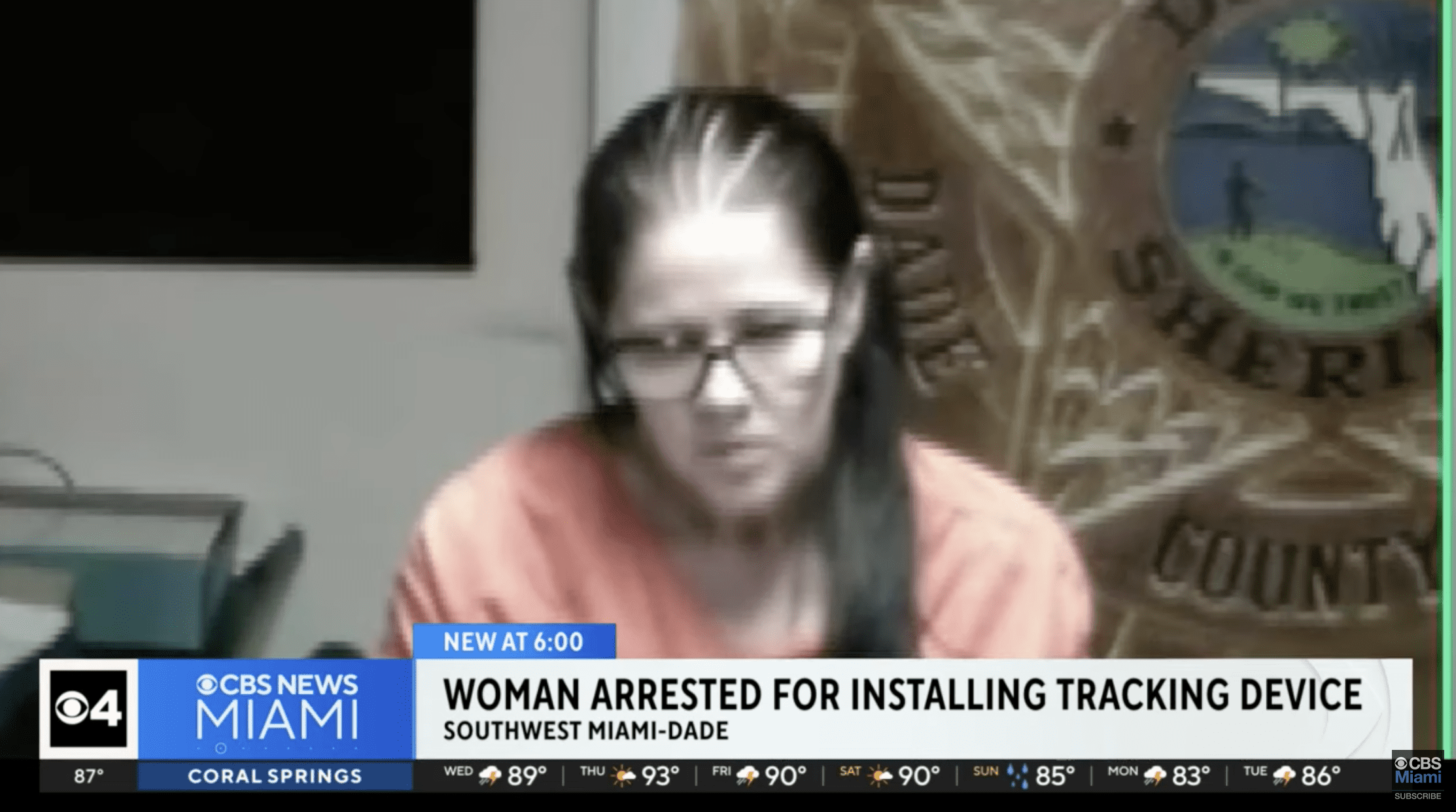
A woman in Miami Gardens has been arrested after investigators say she orchestrated a calculated fraud scheme, using a falsified Cuban marriage license to collect Social Security benefits tied to a deceased man. Law enforcement officials allege the woman improperly received tens of thousands of dollars by presenting herself as the man’s surviving spouse, despite no legitimate record of a legal marriage. According to police, the case unraveled after inconsistencies surfaced in documentation submitted to the Social Security Administration. The woman allegedly provided a Cuban marriage certificate as proof of her eligibility for survivor benefits, a critical requirement for individuals seeking to claim payments after a spouse’s death. Authorities say further investigation revealed the document was fraudulent and could not be verified through official Cuban civil registries.
A Paper Trail That Didn’t Hold Up
Investigators say the alleged deception relied heavily on forged international records, which can be harder to immediately authenticate. Detectives working the case determined that the supposed marriage never legally occurred. Officials say the defendant used the fake documentation to bypass standard verification protocols, allowing her to receive monthly benefit payments over an extended period of time. The total amount collected has not been fully disclosed, but authorities confirmed it reached into the tens of thousands of dollars. Fraud involving survivor benefits is not uncommon, but cases involving falsified foreign documents present unique challenges. International records can require additional layers of verification, often slowing down detection and creating vulnerabilities that bad actors may attempt to exploit.
Criminal Charges and Broader Implications
The arrest underscores ongoing federal and local efforts to crack down on Social Security fraud, which costs taxpayers billions annually. The woman now faces multiple charges related to fraud, theft, and the use of counterfeit documents. If convicted, she could face significant prison time, as well as orders to repay the funds allegedly obtained under false pretenses. Officials stress that while the vast majority of Social Security recipients receive benefits legitimately, fraud cases like this highlight gaps in verification systems—particularly when claims involve international documentation. The Social Security Administration has increasingly invested in fraud detection technology and cross-agency coordination, but enforcement remains a constant challenge.
A System Under Pressure
Cases like this raise deeper questions about how federal benefit systems balance accessibility with security. For legitimate survivors, timely access to benefits can be financially critical. But the same urgency can create openings for exploitation when verification processes are not airtight. Authorities say continued vigilance, both from agencies and the public, is essential to protecting the integrity of programs that millions of Americans rely on. The investigation remains ongoing, and officials have not ruled out the possibility of additional charges or others being involved.















































Want to join the conversation?
Create an account or sign in to share your thoughts, vote,
and reply to other readers.
Showing 0 of 0 comments
Don't have an account?
Already have an account?