
Bill Maher’s “New Rule”: Is the State of the Union Becoming a Royal Ceremony?
In his latest “New Rule” segment on Real Time with Bill Maher, Bill Maher delivered a pointed critique of one of Washington’s most entrenched traditions: the State of the Union address.
His argument was not subtle. The modern State of the Union, Maher contends, has morphed from a constitutional reporting requirement into a prime-time spectacle that elevates the president to something closer to a monarch than a co-equal branch of government leader. It was classic Maher provocative, historically framed, and designed to irritate both sides.
The Constitutional Reality vs. the Prime-Time Pageant
Article II of the Constitution requires the president to “from time to time” inform Congress about the state of the union. That’s it. No red carpet. No applause choreography. No cable news countdown clock. Maher’s criticism centers on how far the event has drifted from that modest directive.
The modern address features:
• A dramatic entrance
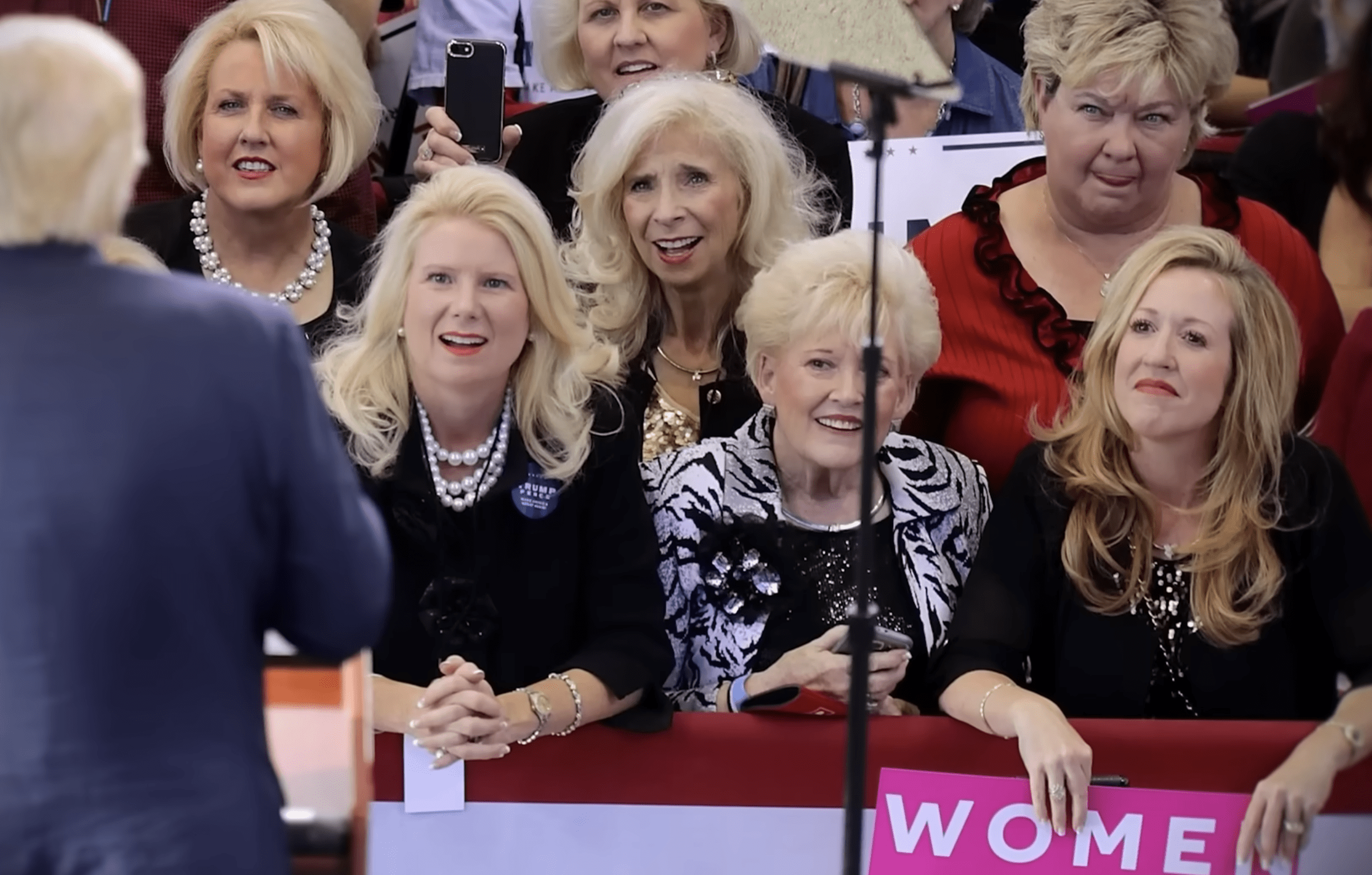
• Extended standing ovations
• Carefully staged guest galleries
• Camera-ready emotional moments
• Strategic applause lines
It plays less like a briefing to Congress and more like a political coronation ceremony. Maher framed the ritual as a distortion of civic balance. Congress holds the power to legislate, tax, declare war, and regulate commerce. Yet once a year, lawmakers line the aisle applauding the president as if receiving marching orders. The optics matter.
The “King’s Speech” Problem
Maher’s comparison was blunt: the State of the Union resembles a royal address to Parliament more than a constitutional check-in between equal branches. That imagery hits differently in an era when critics already argue that the executive branch has steadily expanded its influence through executive orders, emergency declarations, and administrative rulemaking.
While Maher’s segment aired in the shadow of renewed attention on Donald Trump and the intense reactions that accompany his appearances, the critique goes beyond one administration. This isn’t about personality. It’s about structure. Whether the president is popular or polarizing, the spectacle remains the same. The applause remains the same. The messaging choreography remains the same.
The Media Amplification Machine
The modern State of the Union isn’t just a speech, it’s a media event. Networks run pre-shows. Pundits predict applause lines. Fact checks are drafted in advance. Opposition responses are timed for maximum contrast. Social media clips are clipped and weaponized within minutes.
Maher’s broader complaint is that this format inflates presidential mythology. It reinforces the public perception that the president single-handedly drives national destiny, when in reality, gridlock, committee votes, and legislative negotiation determine outcomes. That distortion feeds unrealistic expectations. It also feeds political resentment when campaign promises meet institutional limits.
Is Abolishing It Realistic?
Maher’s call to scrap the event entirely is unlikely to gain traction. The State of the Union is deeply embedded in American political culture, dating back to George Washington and formalized in televised form during the 20th century. The setting itself, beneath the dome of the United States Capitol, reinforces symbolic unity, even in moments of division.
But Maher’s proposal functions more as a constitutional stress test than a literal legislative suggestion. He’s asking viewers to reconsider how much power we project onto the executive branch, and whether we’ve quietly accepted political theater as governance.
The Larger Question
Maher’s critique taps into a deeper national anxiety: are we governing through institutions, or through spectacle?
The State of the Union, in its modern form, blurs that line. Supporters argue the address provides transparency, sets legislative priorities, and allows the president to speak directly to the public. Critics, Maher among them, argue it reinforces executive dominance in ways the Constitution never intended. Both can be true.
But the central tension remains: when political ritual begins to resemble royal ceremony, the symbolism alone reshapes how citizens understand power. Maher’s “New Rule” may not dismantle the State of the Union. But it forces a harder conversation about how modern media, presidential branding, and constitutional design now collide under the bright lights of prime time.






























Want to join the conversation?
Create an account or sign in to share your thoughts, vote,
and reply to other readers.
Showing 0 of 0 comments
Don't have an account?
Already have an account?