
Qatar Accuses Israel of “State Terror” After Doha Strike Kills Security Officer and Targets Hamas Leaders
Qatar’s Prime Minister Calls Israeli Action “Barbaric”
Qatar’s Prime Minister, Sheikh Mohammed bin Abdulrahman bin Jassim Al-Thani, delivered a scathing rebuke of Israeli Prime Minister Benjamin Netanyahu this week, denouncing an airstrike in Doha that targeted Hamas leadership as “barbaric” and “state terror.” Speaking in an exclusive interview with CNN, Al-Thani accused Israel of betraying diplomatic norms, undermining hostage negotiations, and shattering any chance of a ceasefire deal.
“We were thinking that we are dealing with civilized people,” Al-Thani said. “The action that Netanyahu took — I cannot describe it, but it’s a barbaric action.”
The strike, carried out on September 9, targeted Hamas officials in Qatar’s capital, where mediators were actively working on a U.S.-backed ceasefire proposal. At least five Hamas members were killed, along with a 22-year-old Qatari security officer. Al-Thani said additional Qataris remain unaccounted for.
Collapse of Hostage Hopes
The timing of the strike has raised international alarm. Hamas was due to deliver its response to a new U.S. ceasefire framework later that same evening. Instead, Israeli warplanes turned Doha into a battlefield, destroying a residential building and leaving the fate of Hamas’ chief negotiator, Khalil Al-Hayya, uncertain.
“I was meeting one of the hostage families the morning of the attack,” Al-Thani told CNN. “They are counting on this mediation. They have no other hope. I think what Netanyahu has done just killed any hope for those hostages.”
Israel has not confirmed whether its strike eliminated its intended targets. Hamas claims the assassination attempt failed, while acknowledging several casualties.
Diplomatic Shockwaves
Qatar, which has long positioned itself as a mediator between Israel, Hamas, and Washington, now says it is “reassessing” its role in negotiations. Al-Thani accused Netanyahu of using the process to stall rather than seeking genuine progress.
“He wasn’t serious about anything,” Al-Thani said, dismissing recent talks as “meaningless.”
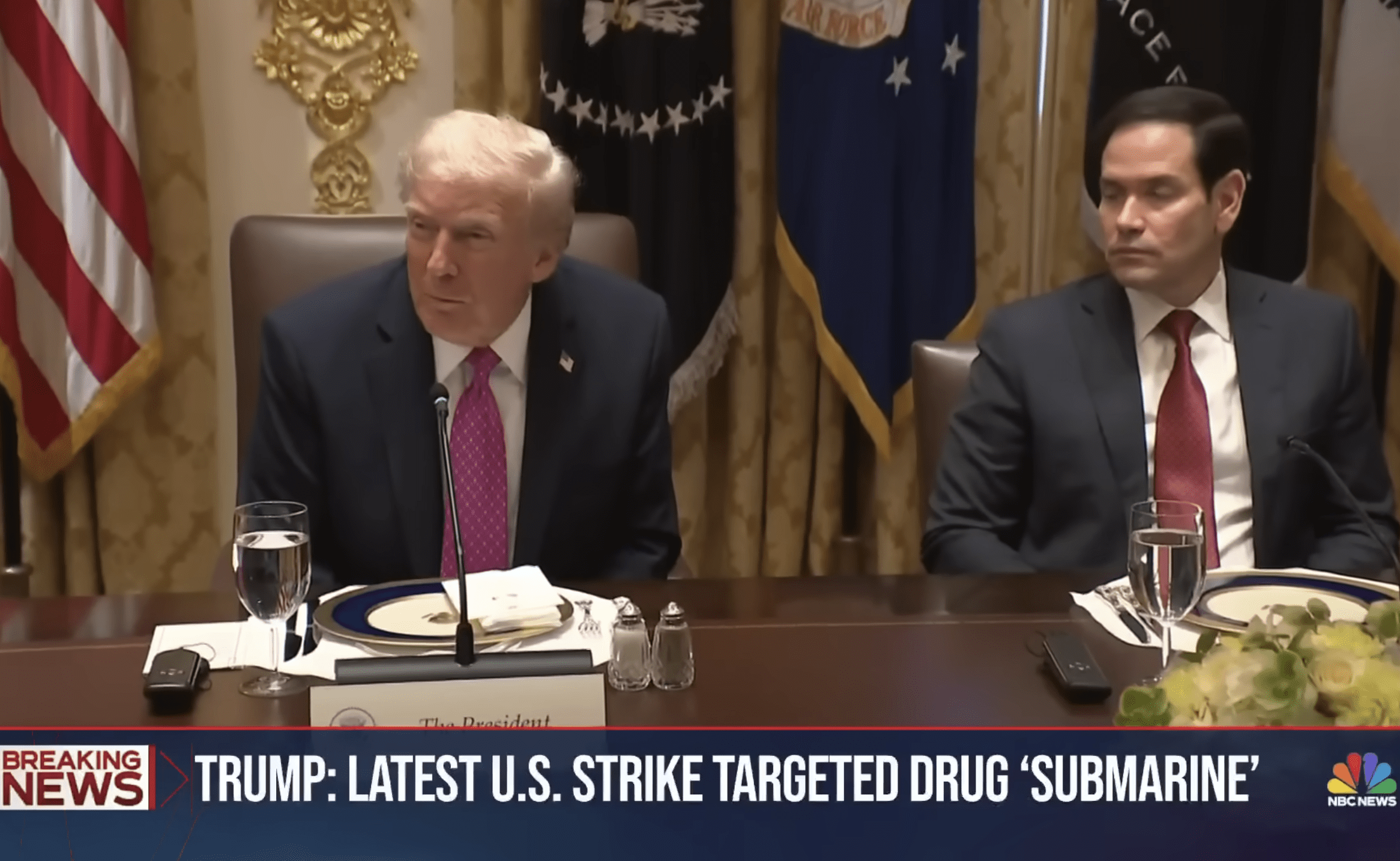
The U.S. which operates its largest Middle East military base in Qatar was blindsided by the strike. According to American officials, President Donald Trump was informed only after Israeli missiles were already airborne. The revelation has fueled questions about Israel’s coordination with its closest ally and triggered emergency consultations between Washington and Doha.
Regional and Global Backlash
The fallout has been swift.
The United Nations Security Council issued a rare unanimous condemnation, with the U.S. joining all 14 other members in denouncing the strike as a violation of Qatar’s sovereignty.
The UN High Commissioner for Human Rights called the attack “a shocking assault on regional stability and international law.”
Arab and Muslim states are preparing a collective response, with Qatar set to host an emergency summit in the coming days.
Al-Thani vowed that the region will not remain silent. “There is a collective response that should happen from the region,” he said. “We are hoping for something meaningful that deters Israel from continuing this bullying.”
Israel’s Justification and Rising Isolation
Israel insists the strike was justified, claiming Hamas leaders were abusing Qatar’s hospitality to plan operations. Netanyahu’s government has framed the action as part of its expanded campaign to destroy Hamas’ leadership wherever it operates. But critics say the move has backfired. Instead of weakening Hamas, it has endangered delicate hostage talks, alienated U.S. partners, and risked dragging neutral states deeper into the conflict.
For Netanyahu, who faces mounting domestic pressure over the war and growing international condemnation, the Doha strike may mark a dangerous turning point, one where tactical gains come at the expense of diplomatic isolation.
The Bottom Line
By attacking Hamas leaders on foreign soil, Israel not only targeted its enemy but also struck at Qatar’s sovereignty, Washington’s credibility, and the fragile machinery of peace talks. What Netanyahu gains militarily could be overshadowed by the geopolitical firestorm now building across the Middle East.
Al-Thani’s words cut to the heart of the crisis: “I have no words to express how enraged we are from such an action. … This is state terror. We are betrayed.”














































Want to join the conversation?
Create an account or sign in to share your thoughts, vote,
and reply to other readers.
Showing 0 of 0 comments
Don't have an account?
Already have an account?