
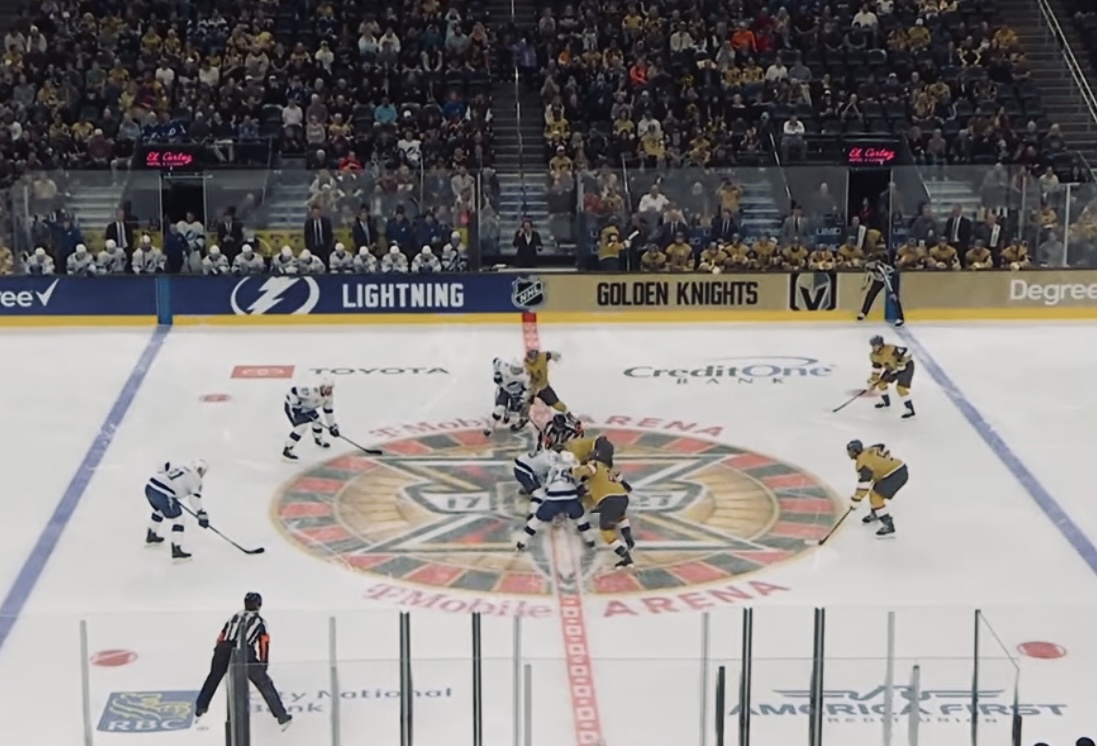
For generations, Americans have treated sports as a sacred part of national culture—a place where talent, grit, and teamwork define success. From the Super Bowl to March Madness, fans pour billions into tickets, merchandise, and increasingly, sports betting. But beneath the spectacle lies a darker truth: the line between competition and corruption has never been thinner. American sports, once seen as a meritocracy, are now deeply compromised by money, manipulation, and the gambling industry’s relentless influence.
The Rise of Legalized Betting: A Billion-Dollar Temptation
When the U.S. Supreme Court struck down the federal ban on sports gambling in 2018, it opened the floodgates. States rushed to legalize betting, and major leagues—once staunchly opposed to gambling—pivoted overnight. The NFL, NBA, MLB, and NHL all inked lucrative deals with sportsbooks like DraftKings, FanDuel, and BetMGM.
The same leagues that once banned players for life over gambling now run commercials encouraging fans to “get in on the action.” That double standard isn’t just hypocritical—it’s dangerous. When the leagues and their media partners profit from betting revenue, there’s a built-in incentive to keep fans wagering, no matter the cost to integrity.
Referees, Replays, and Ratings: The Subtle Art of Manipulation
To understand how games can be fixed today, you don’t need brown envelopes full of cash or mobsters in the shadows. Modern fixing often happens in plain sight—through officiating bias, selective replay reviews, and scripted narratives that maximize ratings and betting interest.
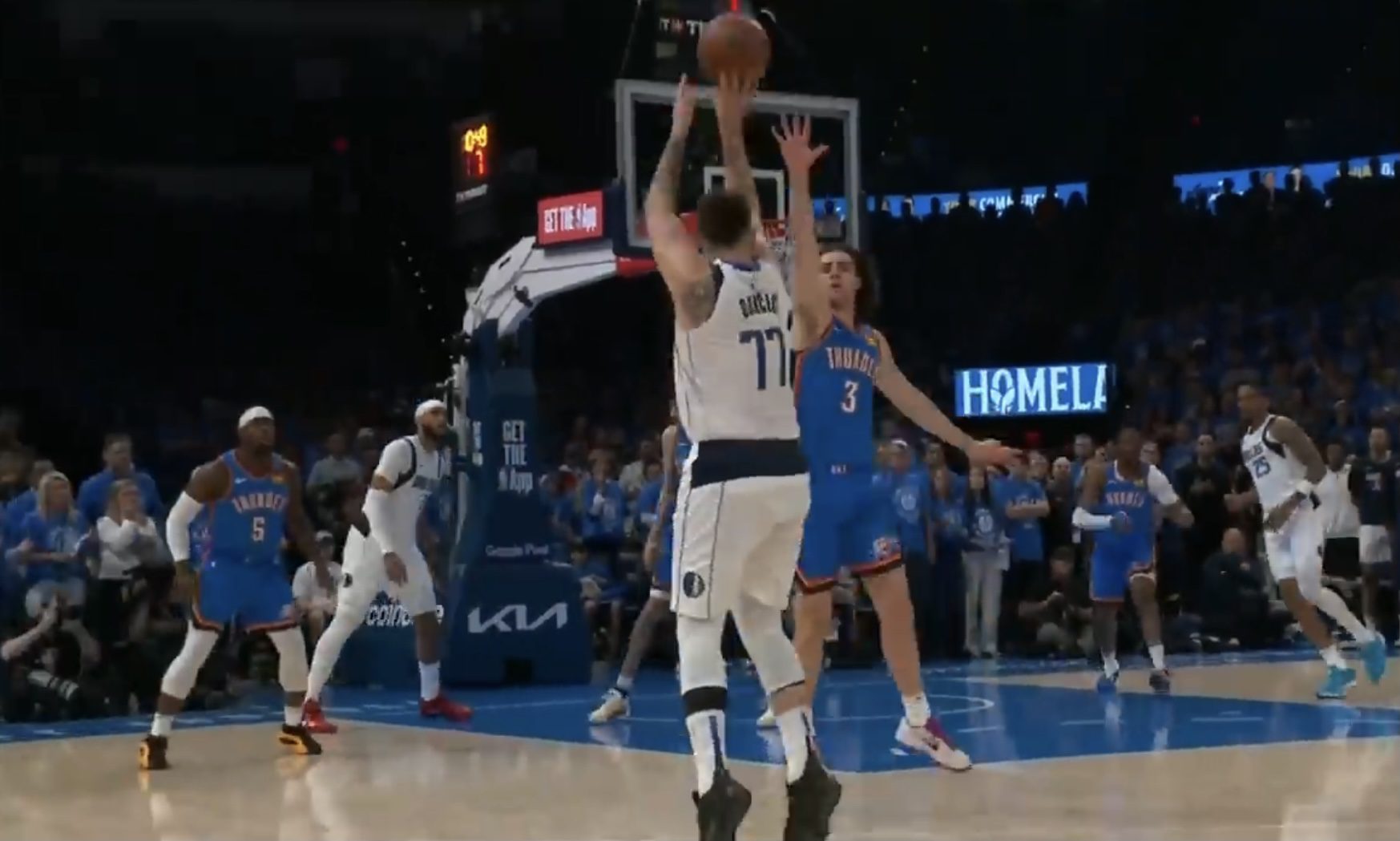
The NBA’s 2007 Tim Donaghy scandal revealed how a referee could influence outcomes for betting purposes. Donaghy didn’t just bet on games—he exploited inside knowledge about officiating tendencies and league preferences. He later alleged that certain playoff series were manipulated to ensure more games, higher ratings, and bigger profits.
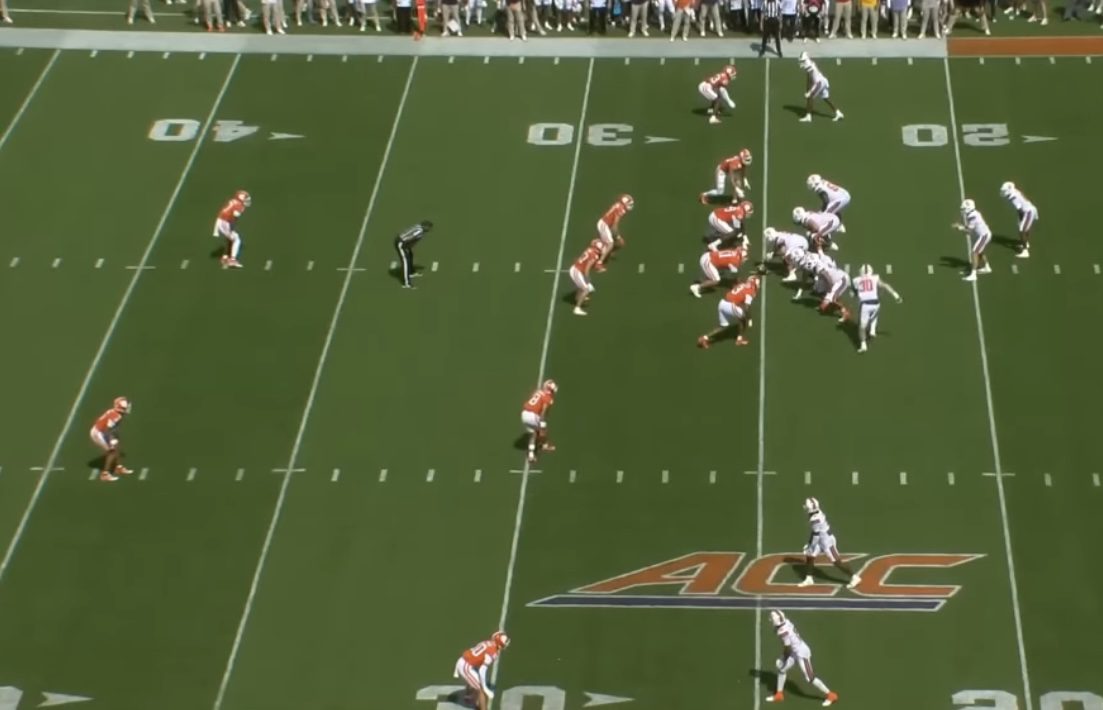
In the NFL, fans routinely question questionable penalties or replay decisions that swing momentum—and betting lines. The league’s opaque officiating system and profit-driven scheduling feed suspicion. As gambling grows, even the perception of manipulation erodes trust in the product.
The History of Fixed Sports in America: From Rothstein to Modern-Day Scandals
Sports have long been celebrated as a showcase of skill, strategy, and spirit. Yet, behind the cheers and championships, a darker undercurrent has run through American sports for over a century — the manipulation of outcomes for financial gain. From the 19th century’s early baseball fixes to modern-day gambling indictments in professional basketball, the story of fixed sports in America is one of corruption, organized crime, and evolving technology.
At the center of America’s earliest and most infamous sports-fixing scandals was Arnold Rothstein, a gambler, mob financier, and the man many consider the architect of modern sports corruption. Known as “The Brain,” Rothstein transformed illegal gambling from a street hustle into a sophisticated enterprise.
The 1919 Black Sox Scandal
Rothstein’s name is forever linked to the 1919 “Black Sox Scandal”, when eight members of the heavily favored Chicago White Sox conspired to intentionally lose the World Series to the Cincinnati Reds. The players, resentful of owner Charles Comiskey’s low pay, accepted payments totaling about $100,000 from gamblers.
Evidence suggests that Rothstein’s associates financed the scheme and that he bet heavily on the Reds to win, making a fortune. However, his direct role was never proven. A grand jury eventually cleared him of wrongdoing, though his reputation as the mastermind of sports corruption only grew.
Commissioner Kenesaw Mountain Landis, appointed after the scandal, permanently banned all eight players — including stars Shoeless Joe Jackson and Eddie Cicotte — in an effort to restore faith in baseball.
Horse Racing: The Saratoga Fixes and Rothstein’s Schemes
Rothstein didn’t limit his operations to baseball. He was deeply involved in fixing horse races, particularly at Saratoga Race Course in New York, where manipulation and bribery became rampant in the early 20th century.
The 1921 Travers Stakes Scheme
In one of his most notorious coups, Rothstein profited roughly $450,000 from fixing the 1921 Travers Stakes.
- The setup: Rothstein learned that the race favorite, Prudery, was off her feed and unlikely to perform well.
- Manipulating the odds: He convinced trainer Sam Hildreth to enter another top horse, Grey Lag, to divert betting attention.
- The twist: Less than an hour before post time, Grey Lag was mysteriously scratched, sending odds on Rothstein’s horse, Sporting Blood, soaring.
- The payoff: Sporting Blood won, and Rothstein’s syndicate cashed in massively.
Rothstein’s influence helped usher in an era where Saratoga Springs became synonymous with organized crime. By paying off local officials and opening illegal casinos, he built a gambling empire that linked horse racing, politics, and the mob.
Early Baseball Fixes Before 1919
The Black Sox Scandal wasn’t the first instance of corruption in baseball.
- 1865: Three players from the Mutual Club of New York were bribed to lose a game — the first documented fix in American baseball.
- 1877: Four players from the Louisville Grays were banned for life for throwing games.
By the early 20th century, gamblers routinely approached players to manipulate outcomes, exploiting the low wages and lack of oversight in professional sports.
College Basketball’s Point-Shaving Era: The 1951 Scandal
Between 1947 and 1951, at least 35 college basketball players from schools like City College of New York (CCNY) and Long Island University (LIU) were implicated in a massive point-shaving scheme. Players were bribed to control the margin of victory rather than the outcome, allowing gamblers to profit from the point spread.
More than 30 players and over a dozen gamblers were convicted, devastating college basketball’s reputation. CCNY, which had once won both the NCAA and NIT championships, dropped from major competition as a result.
Later Scandals
- 1978–79 Boston College: Mafia members bribed players to influence the point spread, a scandal later dramatized in books and film.
- 1984–85 Tulane: A point-shaving and cocaine scandal led the university to disband its basketball program for four years.
Professional Basketball and the Tim Donaghy Scandal
The most significant modern NBA fixing case erupted in 2007 when referee Tim Donaghy was caught betting on games he officiated. Donaghy provided insider information to professional gamblers and allegedly influenced games through questionable foul calls.
He pled guilty to federal charges and served 15 months in prison, leading the NBA to overhaul its referee monitoring and gambling policies.
The Modern NBA Gambling Crisis (2024–2025)
In the wake of expanding legal sports betting, a new generation of scandals has rocked the NBA. In 2024–2025, federal indictments revealed a sports-rigging operation tied to organized crime.
Among those charged were Portland Trail Blazers coach Chauncey Billups and Miami Heat guard Terry Rozier, accused of using insider information to manipulate prop bets and betting outcomes.
The NBA had already banned former Toronto Raptors forward Jontay Porter in 2024 for similar violations, signaling the league’s growing concern over gambling corruption in the legal betting era.
Horse Racing’s Continuing Battles
Even with stricter regulations, horse racing remains vulnerable.
- 1892–1895: Under gambler Gottfried Walbaum’s ownership, Saratoga became a hotbed of fixed races, bribed jockeys, and reduced prize money, leading to its temporary closure.
- 1930s: Doping and “sponging” — inserting a sponge into a horse’s nostril to restrict breathing — were common. Gangsters like Jimmie Meehan, a Rothstein associate, ran race-fixing rings.
- Modern era: In 2021, trainer Jorge Navarro was sentenced for using performance-enhancing drugs in horses, part of a widespread federal crackdown.
Even in August 2025, a Saratoga race was declared controversial after being run at the wrong distance due to a gate error, prompting outrage from bettors and horsemen alike.
Legacy and Lessons
From Rothstein’s underworld empire to the digital betting scandals of today, the thread that connects America’s sports-fixing history is simple: where there is money to be made, integrity is at risk.
The legalization of sports betting has added new transparency but also new temptations. Leagues now face the challenge of balancing fan engagement with integrity — a challenge that stretches back to the smoky racetracks and baseball diamonds of Rothstein’s era.
Over a century later, the ghost of the Black Sox Scandal still looms as a reminder: the line between competition and corruption can be perilously thin.
When the House Always Wins
In today’s sports economy, betting isn’t a sideshow—it’s the main attraction. The leagues, networks, and gambling companies are intertwined, each benefiting when fans wager more. Odds boosts, live in-game betting, and “microbets” on every pitch or possession aren’t harmless fun—they’re tools designed to keep fans hooked.
The system ensures that fans almost always lose, and the house always wins. Even when a bettor scores a big payday, the true winners are the corporations cashing in on betting fees, advertising deals, and the illusion of fair play.
Why Fans Should Walk Away
If the outcome of a game can be subtly steered by money, television ratings, or gambling interests, is it really a sport—or just another form of entertainment theater? The truth is, betting only deepens the problem. Every dollar wagered tells leagues that fans will tolerate manipulation as long as they have a stake in it.
Stopping sports betting isn’t about moralizing—it’s about reclaiming what sports were meant to be: competition driven by skill, not profit. The only way to restore integrity is for fans to demand transparency—and to stop feeding the very system that’s corrupted the games they love.
Conclusion: The Illusion of Fair Play
American sports are no longer just contests—they’re commodities. From the college level to the pros, the games have become marketing vehicles for gambling operators and media conglomerates. The players may sweat and sacrifice, but the results increasingly feel orchestrated for profit.
Until fans stop betting—and start questioning—the fix will continue. Because as long as the money keeps flowing, the illusion of fair play will remain America’s favorite lie.
Would you like me to revise this article to read more like an investigative exposé (with sources and data points), or keep it as an opinion column with a more passionate, persuasive tone?














































Want to join the conversation?
Create an account or sign in to share your thoughts, vote,
and reply to other readers.
Showing 2 of 2 comments
Don't have an account?
Already have an account?