
SNL’s Cold Open Turns Trump’s Air Force One Press Conferences Into Dark, Chaotic Satire
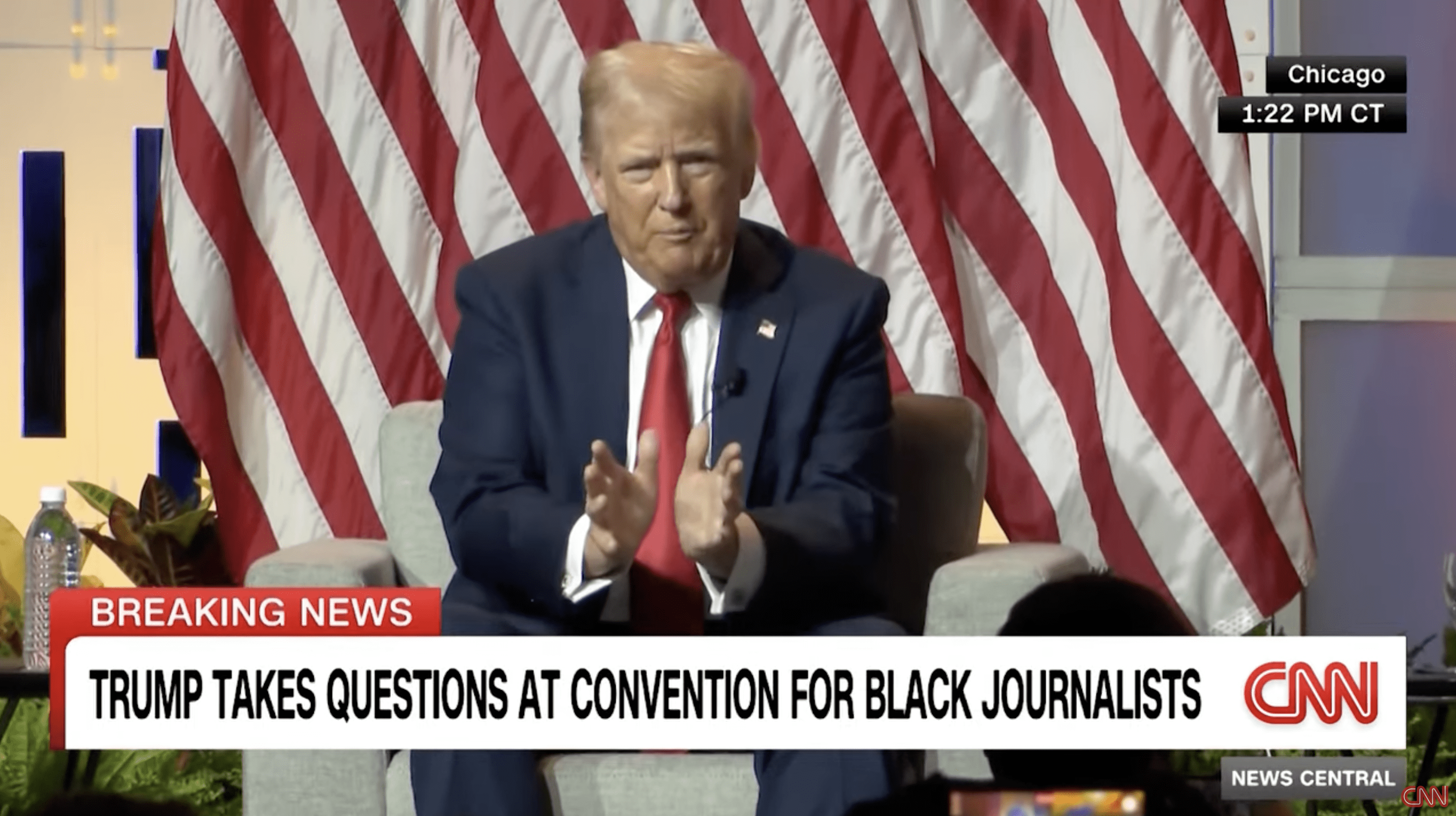
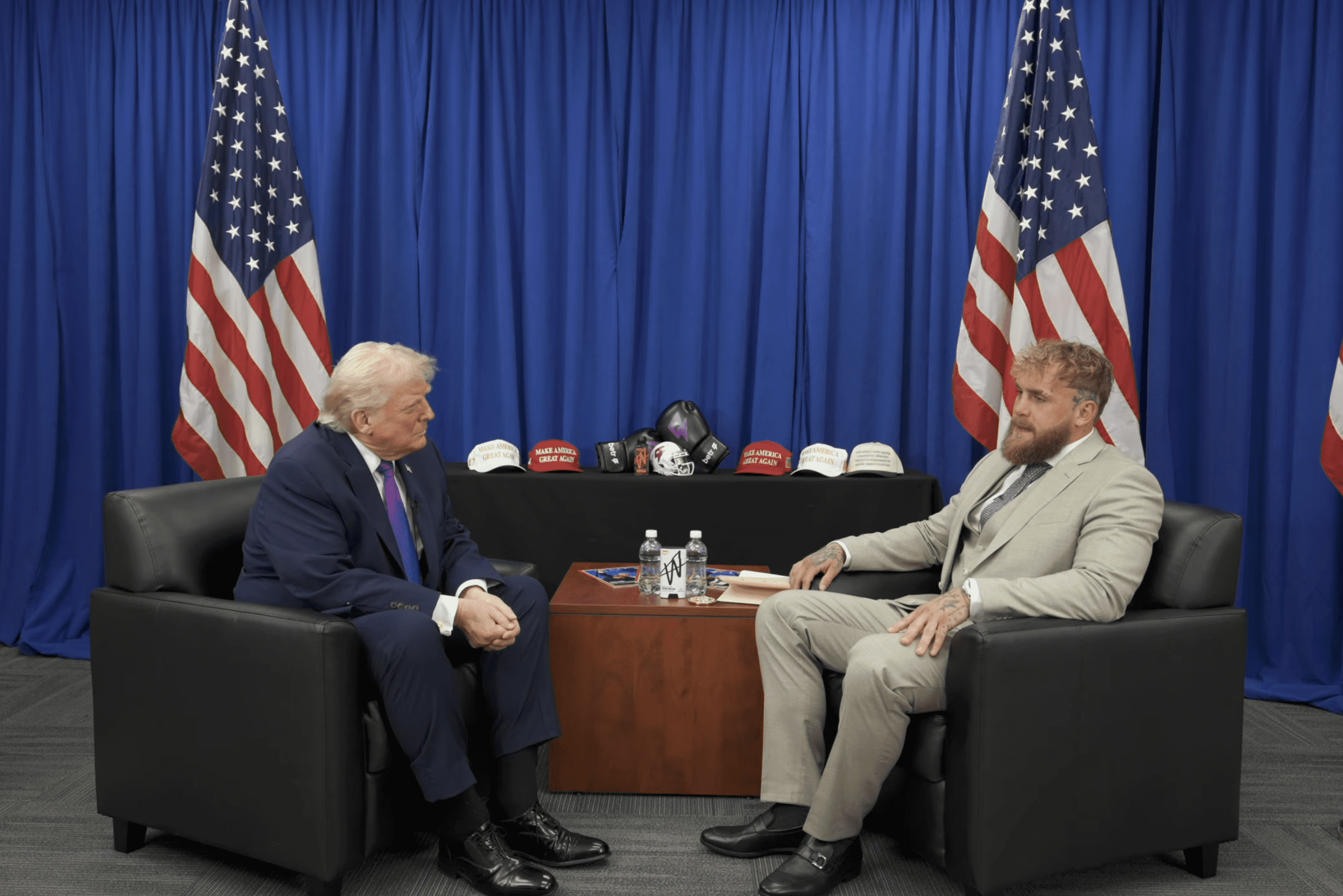
Saturday Night Live opened this week’s episode with a cold open that wasted no time returning to one of its most reliable targets: Donald Trump in front of a microphone. Set aboard Air Force One, the sketch framed a mock presidential press conference as a spiraling display of confusion, grievance, and unchecked power exaggerating Trump’s real-world press style just enough to make the satire sting. Portrayed once again by James Austin Johnson, Trump fields questions from reporters while drifting through half-answers, sudden digressions, and outright non sequiturs. The setup mirrors the familiar choreography of Trump-era press encounters: a formal setting undermined by chaos, bravado replacing substance, and reporters struggling to pin down even the most basic facts.
Chaos as the Point
From the opening moments, the sketch establishes disorder as its central theme. Trump appears unfocused and erratic, openly admitting to being medicated, then veering between policy claims, personal grievances, and imagined threats. The comedy lands not through punchlines but through accumulation, a relentless stacking of contradictions that reflects how real press briefings often felt during his presidency. The Air Force One setting matters. It symbolizes executive power in motion, a government literally airborne while accountability struggles to keep pace. By placing the press conference mid-flight, the sketch visually reinforces the idea that the administration operates beyond reach, immune to grounding questions or consequences.
Holiday Absurdity With a Sharp Edge
The cold open escalates into surreal territory with a military response to a supposed “threat” that turns out to be Santa Claus. The gag is intentionally excessive, but it carries an unmistakable subtext: the normalization of overwhelming force, even when the target is absurd or misunderstood. What could have been a throwaway holiday joke instead functions as commentary on how easily suspicion, paranoia, and impulse can translate into action when power is unchecked. The laughter comes uneasily — and that discomfort is part of the point.
Press, Power, and Deflection
Throughout the sketch, reporters attempt to ask about real controversies, only to be dismissed, mocked, or derailed. Trump’s character responds with familiar tactics: denying reality, attacking the premise of the question, or pivoting to unrelated grievances. The dynamic highlights a recurring tension of the Trump era, a press corps present but frequently rendered ineffective. Rather than portraying journalists as villains or heroes, the sketch presents them as overwhelmed participants in a system designed to exhaust scrutiny rather than answer it.
Why It Resonates
The cold open works because it doesn’t rely on novelty. It leans on recognition. Viewers aren’t laughing at an invented Trump, they’re laughing at a version that feels uncomfortably close to the real thing. SNL isn’t predicting behavior or inventing scandals; it’s distilling years of documented public moments into a single, concentrated scene. In that sense, the sketch functions less as parody and more as compression, a reminder of how quickly spectacle can overtake governance, and how easily absurdity becomes routine.
Satire as Memory
As Trump remains a dominant figure in American political life, SNL’s return to this format underscores an important role satire plays: not just mocking power, but preserving collective memory. By replaying the chaos in exaggerated form, the show forces audiences to confront how familiar, and how dangerous, that chaos once was. The laughter lands, but it lingers. And that’s exactly what the cold open is designed to do.



















Want to join the conversation?
Create an account or sign in to share your thoughts, vote,
and reply to other readers.
Showing 0 of 0 comments
Don't have an account?
Already have an account?