
Trump’s Iran Threats Aren’t Strategy, They’re Weakness Disguised as Strength and Everyone Can See It
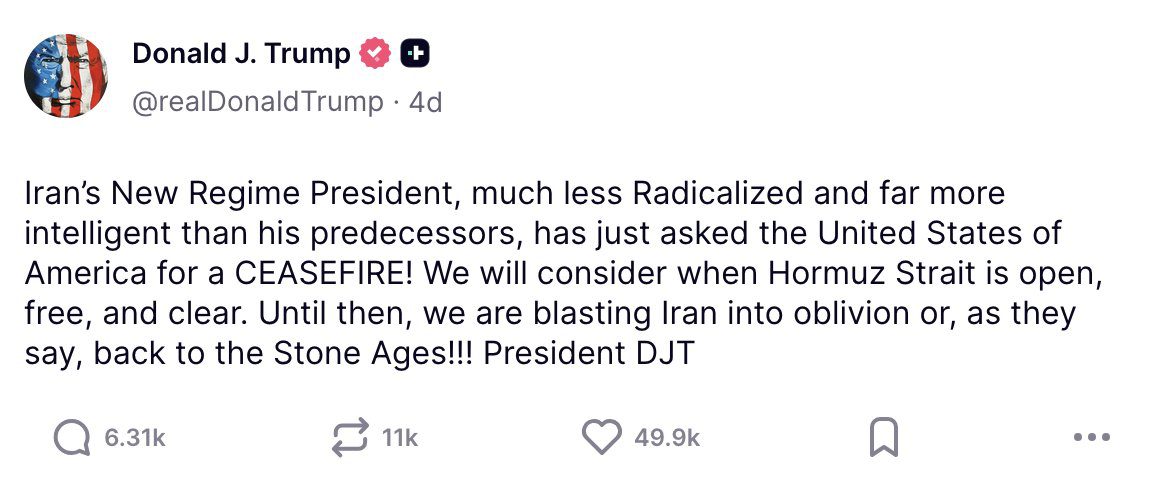
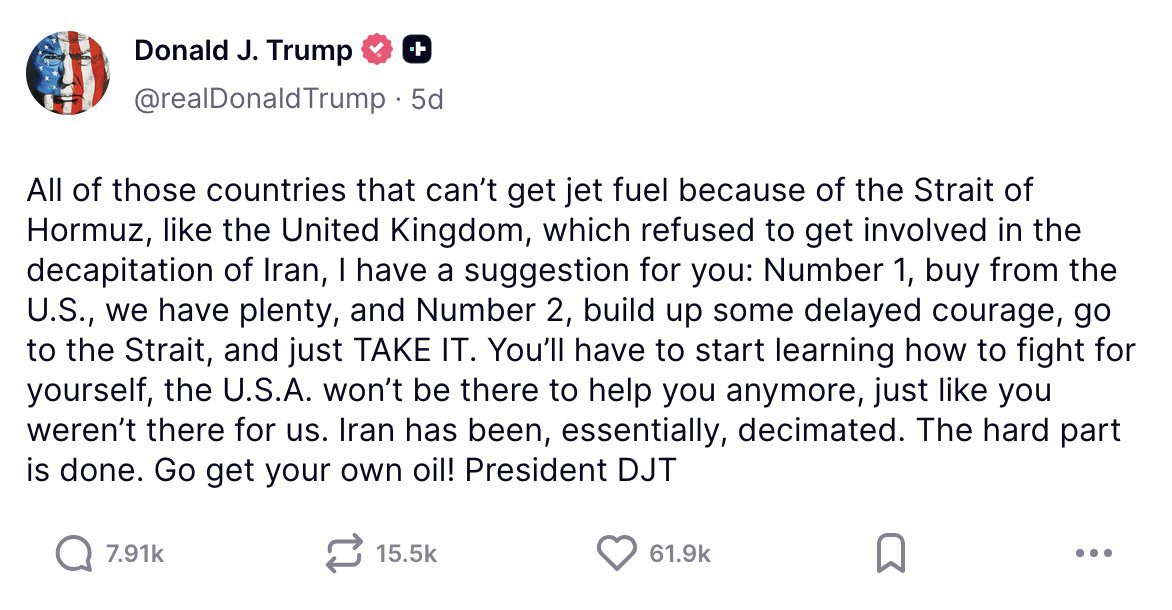
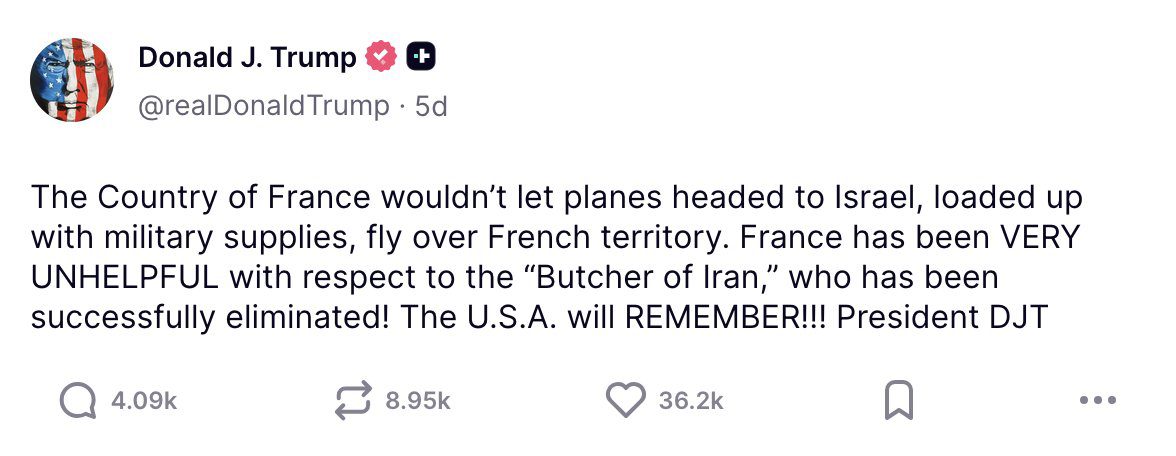
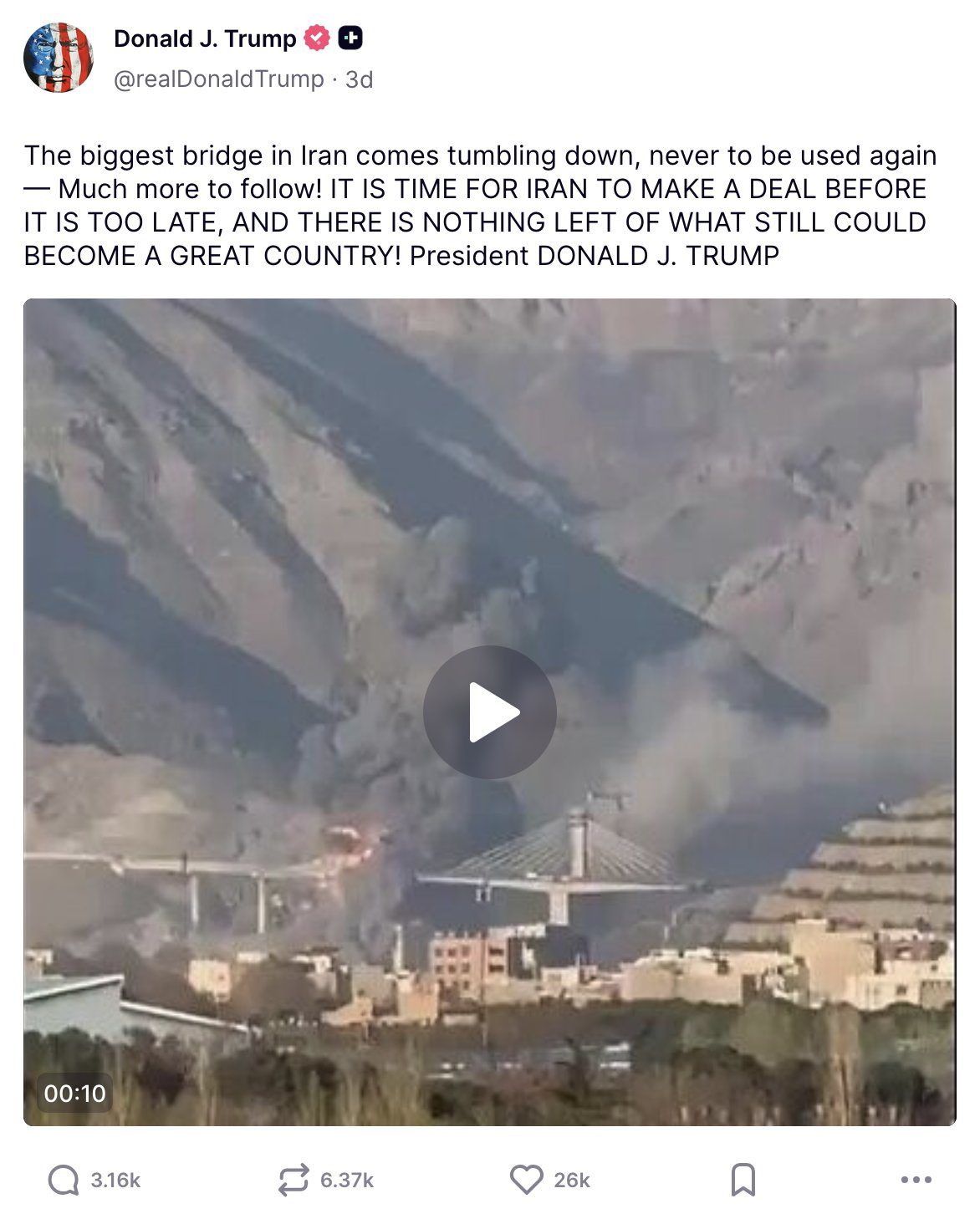
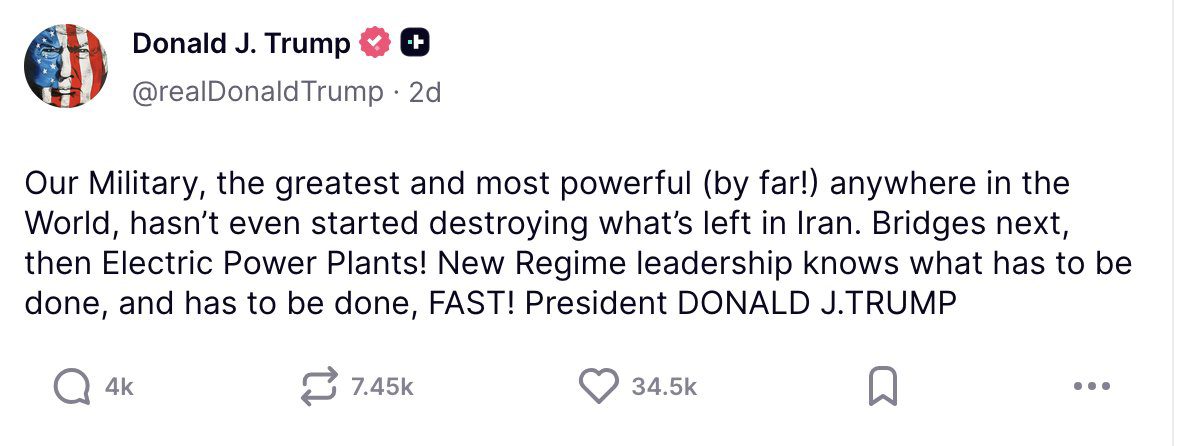
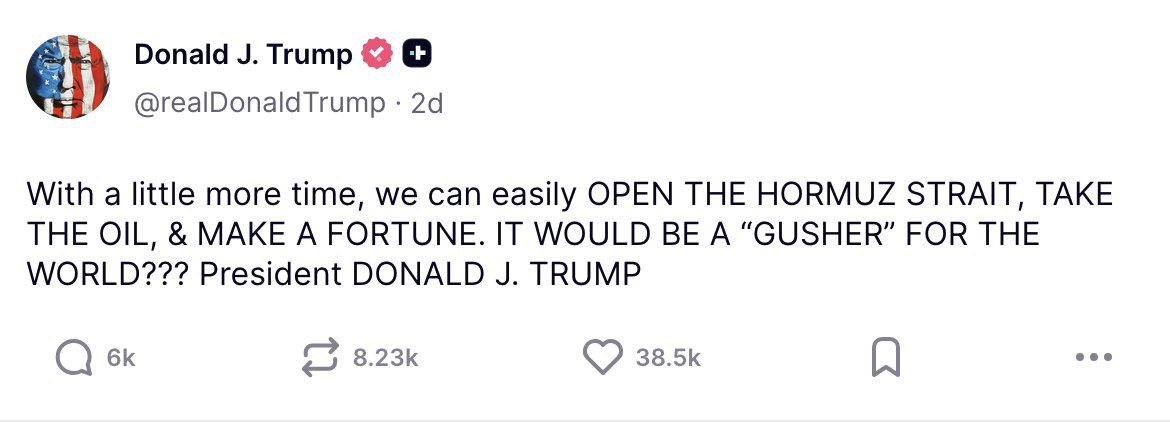
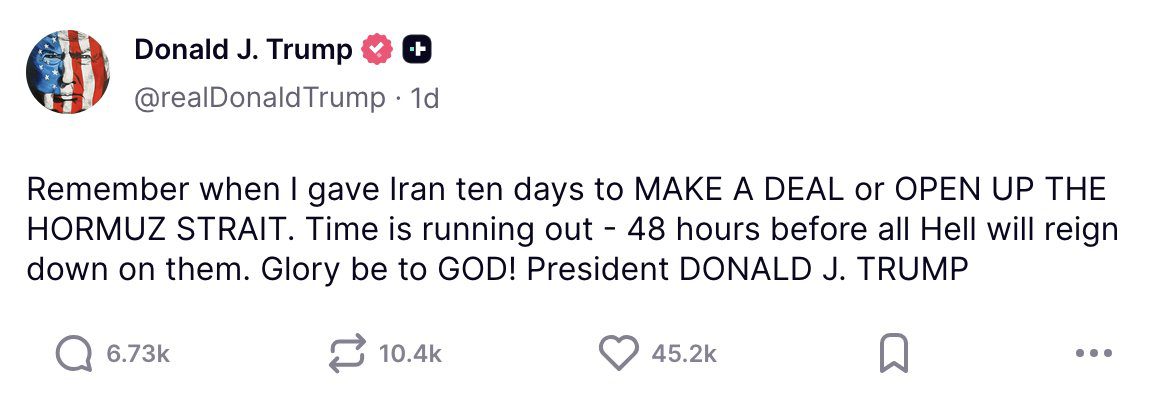
The latest threats from Donald Trump toward Iran are being delivered like ultimatums, but landing like desperation. Over the past several days, Trump has publicly threatened to destroy Iranian bridges, power plants, oil infrastructure, and force open the Strait of Hormuz. The language has escalated from warnings to countdown clocks to outright profanity. It is loud, aggressive, and constant designed to project control. But beneath it, there is no clear strategy, no defined endgame, and no realistic path to success.
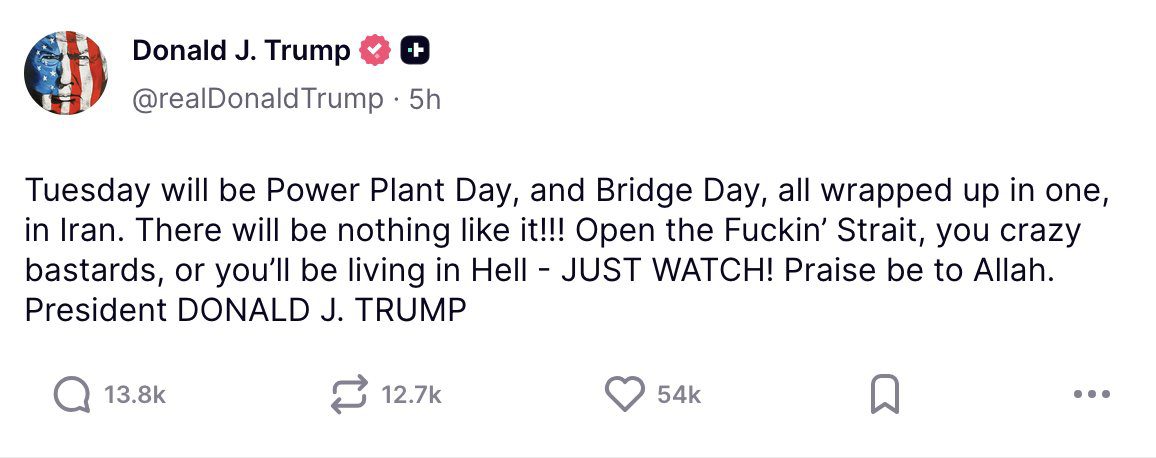
“Open the Fuckin’ Strait… or you’ll be living in Hell — JUST WATCH!”
That line is now circulating globally as a defining moment of this escalation. It is meant to signal strength. Instead, it exposes the flaw: threats without understanding are not leverage, they are noise.
A Fundamental Misread of the Enemy
The central problem is simple and dangerous. This approach assumes Iran will behave like a rational Western actor responding to pressure. It won’t. Iran’s leadership is not negotiating over politics or economics. It is negotiating for survival. If the regime collapses, its leaders don’t retire, they face prison, execution, or exile. Their wealth disappears. Their power structure vanishes. In that environment, the incentive is not to compromise, it is to resist, even at extreme cost.
The United States has encountered this dynamic before and failed to internalize it. When pressure is applied to regimes built on survival, it does not weaken them, it solidifies them. Threats become propaganda. External aggression becomes justification. Internal divisions close ranks. There is no version of this scenario where Iran “cowers” because of threats. The structure of the regime makes that outcome virtually impossible.
Why the Threats Collapse on Impact
This is where the rhetoric begins to break down in real time. Threats only work when they are credible, consistent, and backed by a clear outcome. None of those conditions are present here.
Instead, what we are seeing is a pattern that undermines itself:
- Deadlines that shift or expire without decisive action
- Escalation in language without corresponding strategic clarity
- Public ultimatums that corner leadership into following through or backing down
- Target lists that signal destruction, but not resolution
Each of these weakens the original intent. Each missed or softened follow-through chips away at credibility. And once credibility is gone, threats stop functioning as deterrence entirely.
A President Trapped Between Escalation and Reality
This is the box Trump has created for himself. He clearly wants a win, something decisive, visible, and dominant. But the only way to force that outcome in a conflict like this is through overwhelming and sustained military force.
That means casualties.
That means regional escalation.
That means a prolonged conflict with no guaranteed exit.
And that is exactly where the contradiction sits. The rhetoric suggests total destruction. The reality suggests hesitation. The result is neither peace nor victory, it is a slow, grinding middle ground where threats continue, actions remain limited, and nothing is resolved. America has no appetite for another large scale Middle East war. Leadership knows that. Which means the threats being made are stronger than the actions likely to follow. That gap is where strategy collapses.
The Vietnam Pattern, Repeating
There is a historical pattern here that is difficult to ignore. The Vietnam War was not lost because of a lack of military power. It was lost because of a misunderstanding of the enemy, an overreliance on pressure tactics, and a failure to define what winning actually meant.
Iran is not Vietnam, but the strategic mistakes feel familiar. There is an assumption that pressure will force compliance. There is a belief that escalation alone can dictate outcomes. And there is no clear articulation of how this ends. That combination is not a roadmap to victory. It is a setup for prolonged conflict.
The Real Danger Isn’t the Threats, It’s What Follows Them
The most dangerous part of this situation is not the rhetoric itself. It is what happens when that rhetoric fails to produce results. Because once threats are made publicly and repeatedly, they create pressure to act. Every ultimatum tightens expectations. Every unmet demand raises the stakes. At some point, leadership must either escalate or accept a visible loss of credibility.
Escalation, in this case, is not contained. It means strikes on infrastructure, retaliation through regional proxies, disruption of global energy flows, and a conflict that spreads beyond initial intentions. There is no clean version of that outcome. There is no quick win waiting on the other side of it.
The Sad Reality for Trump
There is nothing about this situation that suggests Iran will respond to threats with submission. The structure of the regime, the history of the region, and the dynamics of asymmetric warfare all point in the opposite direction. What these threats reveal instead is a strategy built on instinct rather than understanding, escalation rather than planning, and volume rather than precision. And if that approach continues, this does not end in a decisive victory. It ends the way these situations almost always do slow, costly, and entirely predictable.














































Want to join the conversation?
Create an account or sign in to share your thoughts, vote,
and reply to other readers.
Showing 0 of 0 comments
Don't have an account?
Already have an account?