
U.S. Escalates With Iran Blockade as Trump Administration Shifts Strategy in Widening Gulf Conflict
The United States has entered a new and far more dangerous phase of its confrontation with Iran, one that signals a clear pivot away from airpower dominance and toward economic strangulation at sea.
As of April 13, 2026, U.S. forces have begun enforcing a sweeping maritime blockade targeting Iranian ports, a move that dramatically escalates tensions across the Persian Gulf and places global energy markets on edge. The decision follows the collapse of high stakes negotiations in Islamabad and comes after months of military action that failed to deliver a decisive outcome on the ground.
This is no longer a contained conflict. It is now a pressure campaign aimed at breaking Iran’s economic backbone and forcing a geopolitical reset.
A War Hitting Its Limits
For months, the U.S. strategy leaned heavily on air superiority. Precision strikes targeting Iranian military infrastructure, nuclear linked facilities, and strategic assets delivered measurable damage. But they did not deliver control. Iran adapted. Despite sustained bombing campaigns, Tehran maintained influence over key maritime corridors, particularly around the Strait of Hormuz, the most critical oil chokepoint in the world. Through asymmetric tactics, threats to commercial shipping, and indirect control mechanisms, Iran managed to keep global energy markets volatile and leverage that instability as a bargaining chip.
The result was a strategic stalemate. Airpower degraded capabilities, but it didn’t collapse the system. And without a decisive ground presence, the U.S. found itself applying pressure without achieving resolution.
The Blockade: A Strategic Pivot
The blockade changes that equation. Rather than continuing to target infrastructure alone, the U.S. is now going after something more consequential: Iran’s ability to generate revenue. By enforcing naval restrictions on vessels entering and exiting Iranian ports, Washington is attempting to cut off the financial lifeline that sustains Tehran’s military posture and regional influence. This is a classic chokehold strategy, less visible than airstrikes, but potentially more devastating.
The message is direct: Iran can no longer operate as a functioning exporter while simultaneously destabilizing global trade routes.
“The goal is to stop Iran from weaponizing global energy corridors and force a return to serious negotiations.”
At the center of this move is the Strait of Hormuz. While the U.S. has stated it will maintain open navigation for non-Iranian ports, the reality is far more complex. The region is now saturated with U.S. naval assets, mine clearing operations, and heightened military surveillance, turning one of the world’s busiest shipping lanes into a high risk zone overnight.
China: The Real Target Behind the Move
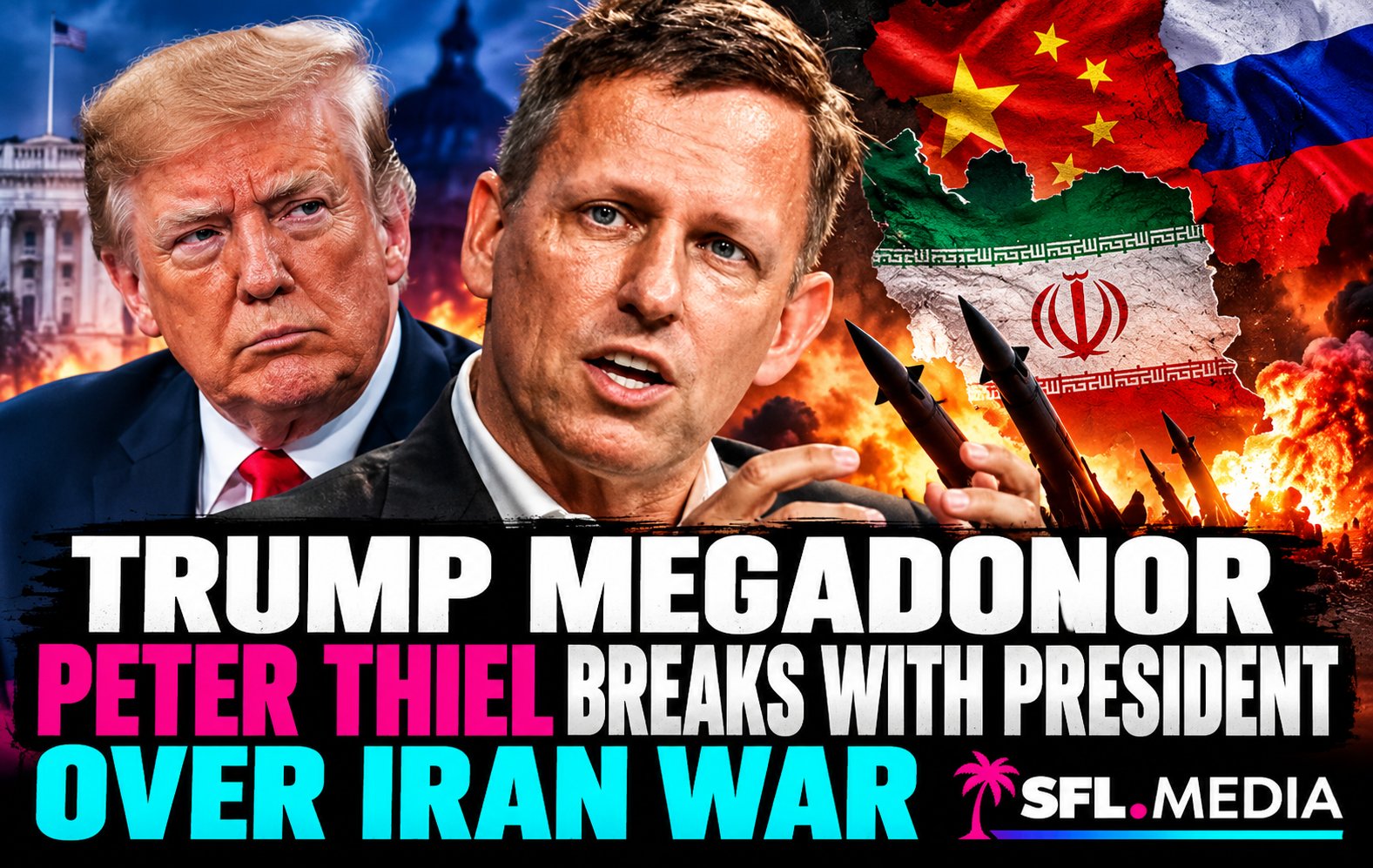
While the blockade is framed as a direct response to Iran, the broader strategic calculation points squarely at China. China has become the primary buyer of Iranian oil, often through opaque channels designed to bypass sanctions. Tankers operating with disabled tracking systems, commonly referred to as “dark fleet” operations, have allowed Iran to continue exporting crude despite international restrictions.
The blockade disrupts that system at its source. By physically restricting port access, the U.S. is no longer relying on sanctions enforcement alone, it is imposing a hard stop. That forces a decision in Beijing: challenge the blockade and risk direct confrontation, or walk away and secure energy elsewhere.
Either outcome carries consequences.
If China complies, Iran loses its most critical economic outlet. If it resists, the conflict risks expanding into a broader geopolitical showdown between two global powers.
A High Stakes Gamble
The Trump administration is betting that economic pressure will succeed where military pressure plateaued. It’s a calculated escalation, one that avoids a full scale ground war while still dramatically increasing leverage. But the risks are real and immediate. Iran has already signaled potential retaliation, including threats to disrupt shipping across the broader Gulf region. Any miscalculation, whether a naval confrontation, a seized tanker, or an attack on commercial vessels, could trigger rapid escalation.
And the global economy is watching closely. Oil markets are inherently sensitive to instability in the Strait of Hormuz. Even the perception of disruption can send prices surging. A sustained blockade, combined with retaliatory threats, creates the kind of volatility that can ripple through supply chains, inflation, and energy policy worldwide.
This moment represents more than a tactical shift, it’s a recognition that modern conflicts are no longer won solely through military dominance. They are won through control of systems: trade, energy, finance, and access.
The U.S. blockade of Iran is an attempt to seize that control. Whether it succeeds depends on two variables that remain unresolved: how far Iran is willing to escalate, and whether China chooses confrontation or retreat. What is clear is this, Washington has moved past incremental pressure. This is now a full spectrum strategy aimed at forcing a break in the conflict. And in a region where missteps can ignite global consequences, the margin for error is razor thin.











































Want to join the conversation?
Create an account or sign in to share your thoughts, vote,
and reply to other readers.
Showing 0 of 0 comments
Don't have an account?
Already have an account?