
Unlicensed Recovery
A woman who has been arrested for the second time on charges of operating an unlicensed recovery house for post-surgery patients is speaking out, defending herself against the allegations and shedding light on the situation.
Background of the Case
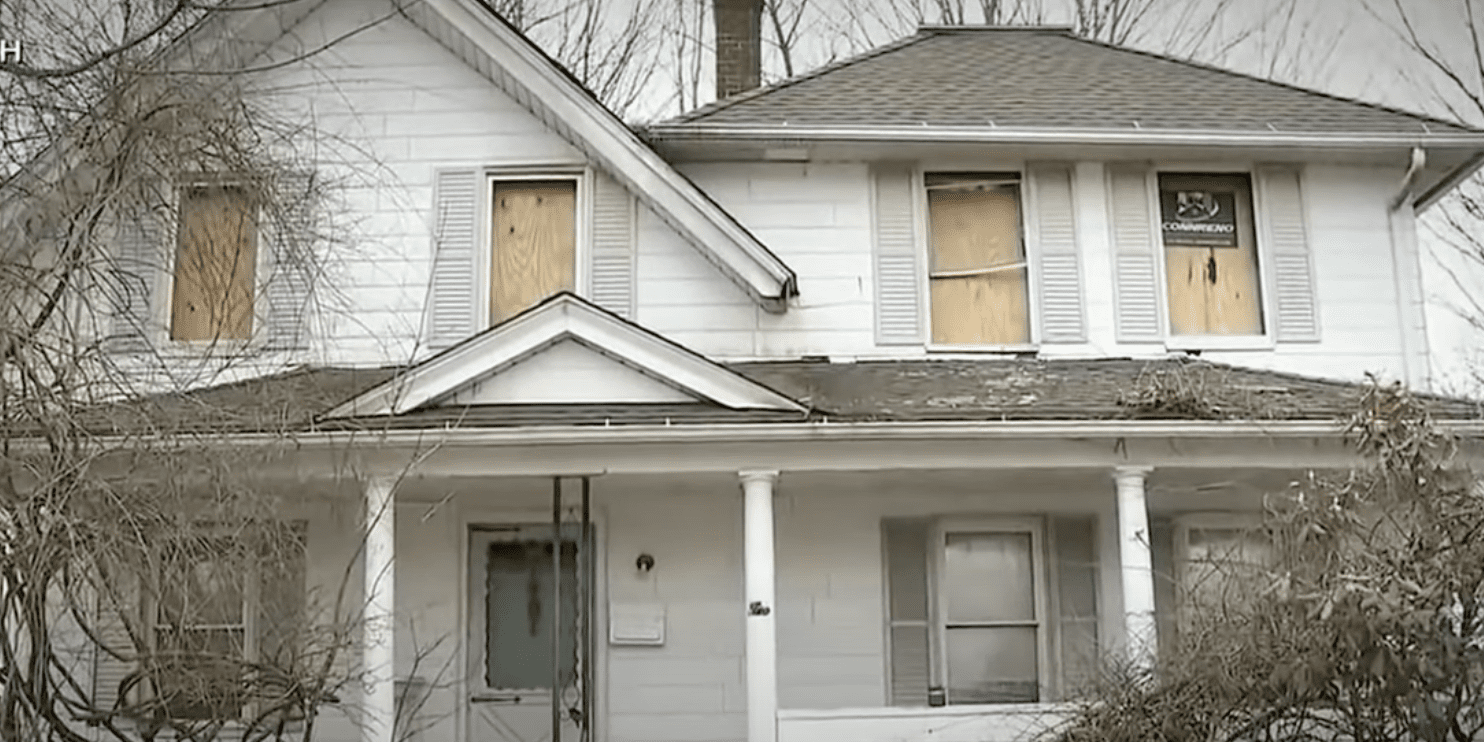
The accused, Monica Garcia, along with her mother, is facing legal troubles after authorities claim they were operating an unlicensed recovery house. Their alleged operations took place at a home located on SW 143 Court and SW 24th Street in January. Law enforcement officials claim that the mother-daughter duo was running a makeshift recovery facility where individuals who had undergone cosmetic surgery were being housed and cared for without proper licensing or medical supervision. The initial charges led to their business being shut down temporarily, but after a period of silence, authorities launched another investigation that resulted in Garcia’s second arrest.
The Second Arrest
According to reports, law enforcement officials acted on new complaints and evidence that suggested Garcia had resumed operations. Investigators say that undercover work and testimonials from former clients provided enough evidence to justify another arrest. Patients allegedly reported substandard care, lack of medical oversight, and unclean conditions in the facility. Some even mentioned experiencing complications due to improper aftercare, raising concerns about the safety of the operation.
Monica Garcia’s Defense
Despite these allegations, Garcia is now speaking out, defending herself against what she calls an unjust attack on her business and reputation. She claims that her recovery house was not only a place of comfort for individuals undergoing cosmetic surgery but also a necessary service due to the high demand for post-operative care.
“I am not a criminal,” she stated in an exclusive interview. “I have helped countless people who had nowhere else to go. These patients needed a safe space to recover, and I provided that.”
She insists that she did not pose as a licensed medical professional and was merely offering accommodations and basic assistance for those who had undergone procedures such as liposuction, Brazilian butt lifts, and tummy tucks. According to her, the real issue is the lack of sufficient post-operative care options for individuals undergoing cosmetic surgery, leaving them with limited choices.
The Legal Battle Ahead
Legal experts say the case will hinge on whether the services she provided crossed into the territory of unlicensed medical care. In many states, recovery houses must meet strict health and licensing requirements, and operating without meeting those criteria can result in serious legal consequences.
Local authorities have emphasized the risks involved in unlicensed recovery houses, particularly when patients require medical attention that goes beyond the capabilities of a non-medical caretaker. They have urged individuals considering elective cosmetic procedures to ensure they have a proper recovery plan in place with a licensed facility.
Community Reaction
Reactions from the community have been mixed. Some former clients have come forward in her defense, arguing that they received excellent care and had a positive experience. Others, however, support the crackdown on unlicensed recovery houses, citing horror stories of infections and botched aftercare that led to medical complications.
“This situation just highlights the gap in post-surgical care,” said one local resident. “Maybe instead of shutting down people trying to help, the focus should be on creating more accessible, regulated options for those in need.”
Moving Forward
As the case progresses through the legal system, Garcia and her mother face potential fines, further legal consequences, and possibly even jail time if found guilty of operating without a license. Meanwhile, the discussion surrounding recovery houses continues, with many calling for reform and clearer guidelines on how such services should operate to ensure both accessibility and safety.
Garcia remains defiant, stating that she intends to fight the charges and hopes to see a future where independent recovery houses can operate legally with proper regulations in place. “I just want to help people,” she said. “And I won’t stop advocating for a solution that allows people to get the care they need.”


















































Want to join the conversation?
Create an account or sign in to share your thoughts, vote,
and reply to other readers.
Showing 0 of 0 comments
Don't have an account?
Already have an account?