
‘Keffe D’ Found Guilty in Tupac Murder
For nearly 30 years, the murder of Tupac Shakur was one of the biggest unsolved mysteries in American pop culture. There were theories about gang warfare, record-label rivalries, crooked cops, the FBI, Suge Knight, Sean “Diddy” Combs and just about every other character surrounding the chaotic world of 1990s hip-hop.
In the end, however, the person who may have done the most damage to the prosecution’s case against himself was Duane “Keffe D” Davis.
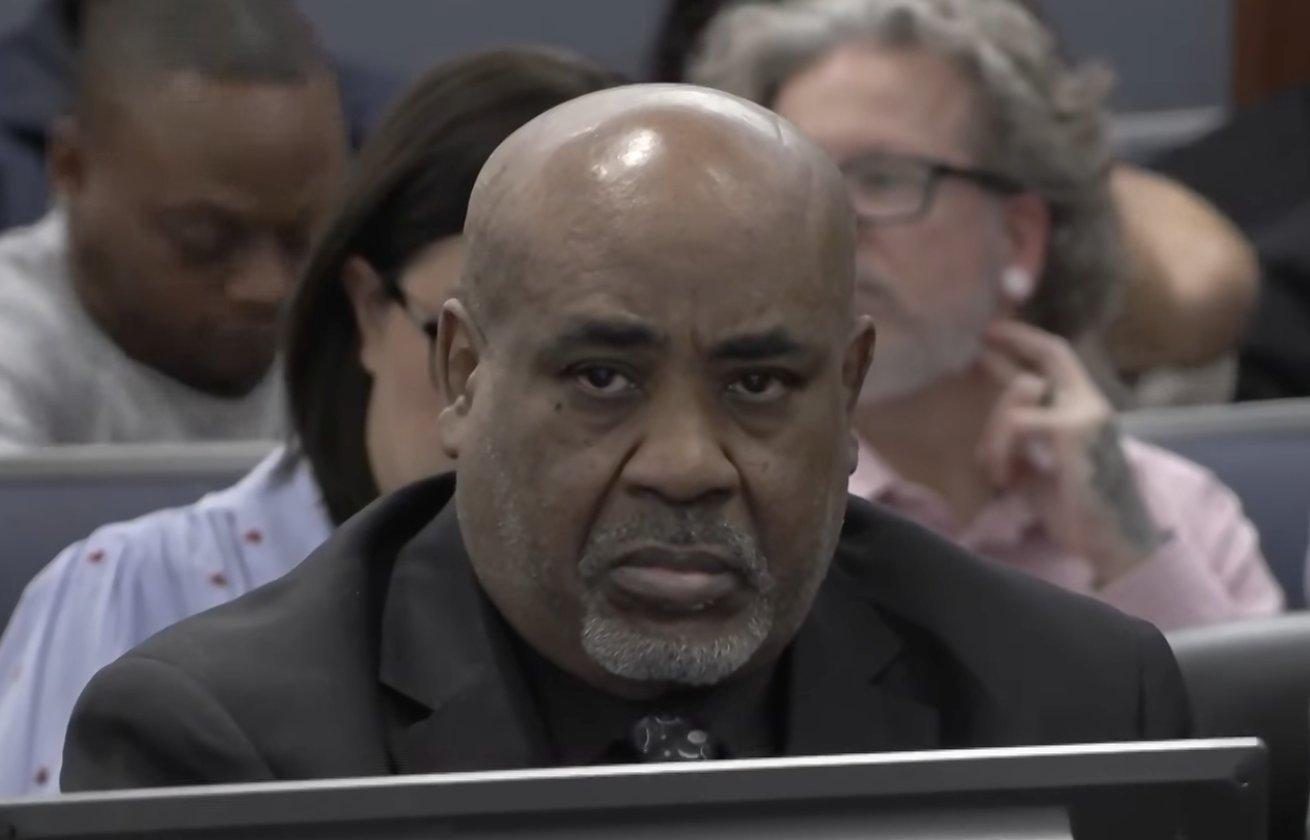
On August 31st, 2026, a Las Vegas jury found Davis guilty of first-degree murder with a deadly weapon for his role in orchestrating the shooting that killed Tupac Shakur. The jury deliberated for less than three hours before reaching its verdict, bringing the first criminal conviction in the Tupac murder case nearly 30 years after the rapper was gunned down.
And there is a certain brutal irony to the entire story: Davis spent years talking about the murder when he probably should have been doing the exact opposite.
What Happened That Night?
On September 7th, 1996, Tupac was in Las Vegas with Death Row Records boss Marion “Suge” Knight following a Mike Tyson fight at the MGM Grand. Earlier that night, Tupac and members of Knight’s entourage became involved in a confrontation with Orlando “Baby Lane” Anderson, a member of the South Side Compton Crips and Davis’ nephew.
Anderson was beaten inside the MGM Grand. That confrontation became the alleged motive for what happened later that night. According to prosecutors, Davis took the incident personally. Rather than allowing the confrontation to end in the casino, Davis obtained a firearm, gathered fellow gang members and went looking for Tupac and Knight.
Eventually, a white Cadillac pulled alongside the BMW carrying Tupac and Knight near the Las Vegas Strip. Gunfire erupted. Tupac was struck four times. Knight was wounded but survived. Tupac was rushed to the hospital but died six days later, on September 13, 1996. He was only 25 years old.
The shooter was never identified in court. Anderson, who was long suspected of being the gunman, died in 1998. The other men prosecutors connected to the Cadillac also died, leaving Davis as the only surviving person from the vehicle involved in the attack.
That made Davis particularly important. It also made him particularly dangerous to himself.
Keffe D’s Biggest Problem Was ‘Keffe D’
The prosecution’s case was not built around some magical piece of forensic evidence that suddenly appeared after 30 years.
There was no convenient video showing Davis pulling a trigger. There was no surviving gunman sitting in the witness chair. There was no modern cellphone data placing everyone at the scene. Instead, prosecutors had something potentially more powerful: Davis’ own words.
Over the years, Davis repeatedly discussed his involvement in Tupac’s killing. He talked about the shooting in interviews, documentaries and recorded conversations. He also discussed it in his 2019 memoir, Compton Street Legend.
Davis repeatedly placed himself inside the white Cadillac involved in the shooting and acknowledged that he supplied the gun that was passed to the men in the back seat. While his descriptions changed over the years, prosecutors argued that the important details remained remarkably consistent.
That was the prosecution’s central argument. Davis didn’t necessarily need to be the man who pulled the trigger.
Prosecutors portrayed him as the person who organized the retaliation, obtained the weapon and helped set the killing into motion. Under Nevada law, someone who intentionally participates in a murder can be held criminally responsible even if someone else physically fires the weapon.
In other words, the state did not have to prove that ‘Keffe D’ was the shooter. It had to prove that he was sufficiently responsible for the murder.
Why the Jury Got It Right
There is an obvious weakness in the case: much of the evidence against Davis came from Davis himself. That is not insignificant.
His defense hammered that point. Davis’ attorney argued that there was insufficient independent evidence placing Davis in Las Vegas that night or proving that he was actually inside the Cadillac. The defense also portrayed his years of public statements as exaggerated stories designed to sell books, documentaries and build his reputation.
That argument deserved to be taken seriously. But ultimately, I think the jury got it right. The reason is simple: Davis didn’t tell one story one time. He spent years telling versions of the same story to different people and in different settings.
The details weren’t perfectly consistent, and prosecutors admitted that. But the central elements kept coming back: Davis was in the Cadillac, there was a confrontation involving his nephew earlier that night, the group went looking for Tupac and Knight, and Davis acknowledged supplying or facilitating the weapon.
That is a difficult mountain for a defense attorney to climb. It is one thing to claim that a man fabricated a sensational story once. It is another thing to explain away years of statements, recordings, interviews and published material that repeatedly place the same person inside the same vehicle during the same murder.
And then there is the motive.
The prosecution presented the killing as a retaliation attack stemming from the MGM Grand confrontation. Tupac and his associates had just beaten Anderson. Davis was an established figure in the South Side Compton Crips and prosecutors portrayed him as someone with authority within the gang. The state’s argument was essentially that this wasn’t some random shooting. It was a gang retaliation that escalated almost immediately from a fistfight into murder.
That explanation fits the circumstances far better than the idea that Davis simply invented everything for attention.
The East Coast-West Coast Beef Added Fuel to the Fire
The Tupac murder also occurred during one of the ugliest periods in hip-hop history. Death Row Records, associated with Tupac and Suge Knight, represented the West Coast. Bad Boy Records, led by Sean Combs, represented the East Coast. The rivalry between the camps became intertwined with existing gang rivalries in Los Angeles.
That environment created the perfect storm. Tupac had become enormously successful, but he was also surrounded by people involved in real street conflicts. The line between entertainment and gang politics had become dangerously blurry.
The result was that a confrontation involving gang members could quickly become a confrontation involving rap stars, record executives and millions of dollars.
Then Tupac was murdered. For years, that combination generated an almost endless supply of conspiracy theories. Some people believed Tupac was killed because of the East Coast-West Coast feud. Others suspected record executives. Others believed Knight was somehow involved. Some theories became increasingly elaborate, because apparently humanity cannot resist turning an unsolved murder into a cinematic universe.
But the evidence presented at trial pointed toward something much more straightforward: retaliation following a gang confrontation.
The Strange Role of ‘Keffe D’
Perhaps the most fascinating part of the entire case is that Davis eventually became the central figure in solving his own alleged crime. He was not immediately arrested after Tupac’s death. The case went cold. Years passed. Then Davis started talking.
A former Los Angeles police detective, Greg Kading, recorded Davis discussing the murder during a 2008 interview conducted under a proffer arrangement. Davis later became increasingly public about his alleged involvement, eventually publishing his memoir.
Those statements helped investigators revive interest in the case. Police ultimately arrested Davis in 2023, nearly 27 years after Tupac’s death. That is the part that is almost impossible to ignore. Davis had decades to keep his mouth shut. Instead, he repeatedly discussed the murder.
And while he never admitted to being the actual shooter, he repeatedly acknowledged enough involvement to give prosecutors a roadmap to build their case.
What the Verdict Means
The conviction does not answer every question surrounding Tupac’s murder. We still don’t have a courtroom-confirmed identification of the person who fired the fatal shots. We don’t know exactly what every person inside that Cadillac was thinking that night. And Davis has maintained his innocence and plans to appeal.
But the verdict establishes something important: the jury concluded beyond a reasonable doubt that Davis was legally responsible for Tupac’s murder. It also represents the end of one of the longest-running murder mysteries in music history.
Tupac Shakur was 25 years old when he died. He had released some of the most influential music of his generation and had become one of the biggest stars in the world. His death transformed him from a controversial young rapper into a cultural icon whose influence has only grown over the decades.
Nearly 30 years later, someone has finally been held criminally accountable. And perhaps the biggest lesson from the Keffe D case is that sometimes the person who knows the most about a crime is also the person most capable of eventually getting himself convicted. Davis spent years telling the world what happened. In the end, a jury listened. And they believed him.
Now we will await the sentencing, and that should be interesting as well.
































Want to join the conversation?
Create an account or sign in to share your thoughts, vote,
and reply to other readers.
Showing 0 of 0 comments
Don't have an account?
Already have an account?