
Sentencing Details and Court Decision
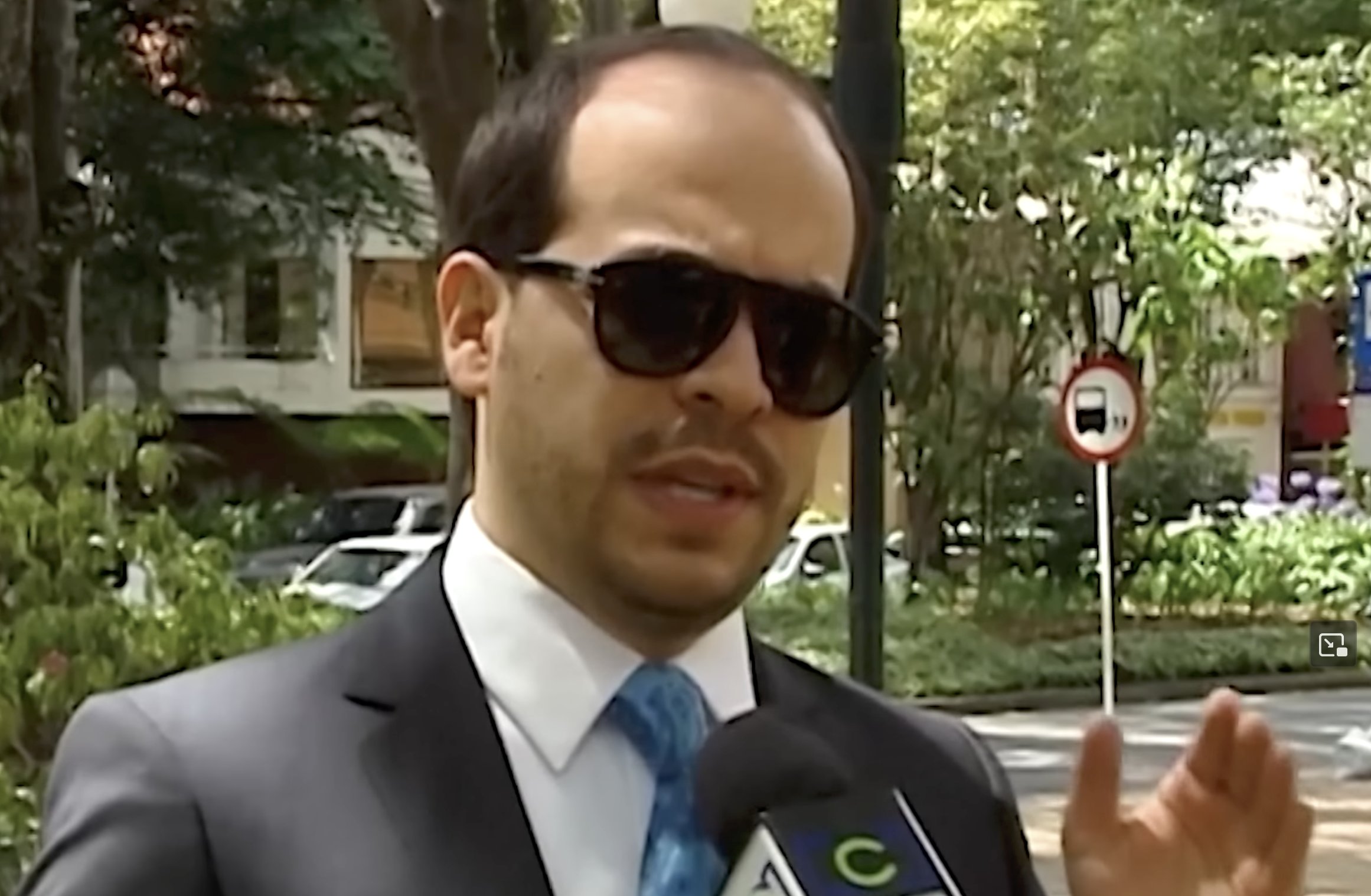
A judge on Tuesday sentenced Dr. Mark Chavez to three years of supervised release, including eight months of home confinement, in connection with the ketamine distribution case tied to the death of actor Matthew Perry. Chavez is the second of two doctors charged with supplying ketamine that authorities say contributed to Perry’s fatal overdose. The sentence marks a significantly lighter penalty compared to the punishment handed down earlier this month to the other physician involved in the case. Chavez’s supervised release will include strict conditions during his period of home confinement, reflecting the court’s assessment of his role in the illegal distribution of the drug.
Connection to Matthew Perry’s Death
Matthew Perry, best known for his role on the television series Friends, died in October 2023 at the age of 54. An autopsy later determined that ketamine toxicity was a primary cause of death, with other contributing factors including drowning and the effects of coronary artery disease. Investigators determined that Perry had been receiving ketamine both through legitimate medical channels and from illicit sources. Federal prosecutors alleged that Chavez participated in supplying ketamine outside the bounds of proper medical practice.
Contrast With Co-Defendant’s Sentence
Chavez’s sentencing comes two weeks after Dr. Salvador Plascencia received a prison term of two and a half years for his role in the same case. Prosecutors described Plascencia as having played a more direct and sustained role in distributing ketamine to Perry in the weeks leading up to the actor’s death. The disparity between the sentences underscores how courts weigh individual responsibility, cooperation, and the extent of involvement when determining punishment in complex drug distribution cases involving medical professionals.
Broader Implications for Medical Oversight
The case has drawn national attention to the growing use and misuse of ketamine, a powerful anesthetic that has increasingly been prescribed off label for mental health treatment. Perry had publicly discussed his struggles with addiction, and his death has renewed scrutiny of how controlled substances are prescribed and monitored, particularly for patients with a known history of substance abuse. Legal experts say the outcome of the case sends a clear message that physicians who step outside established medical standards when prescribing or supplying controlled substances can face serious criminal consequences, even when their patients are high profile figures.


















































Want to join the conversation?
Create an account or sign in to share your thoughts, vote,
and reply to other readers.
Showing 0 of 0 comments
Don't have an account?
Already have an account?