
Duke Dumont Delivered One of the Smoothest House Sets at Coachella Valley Music and Arts Festival
At a festival increasingly dominated by spectacle, pyro, TikTok moments, and overwhelming sensory overload, Duke Dumont did something deceptively difficult at Coachella Valley Music and Arts Festival:
He made house music feel timeless again.
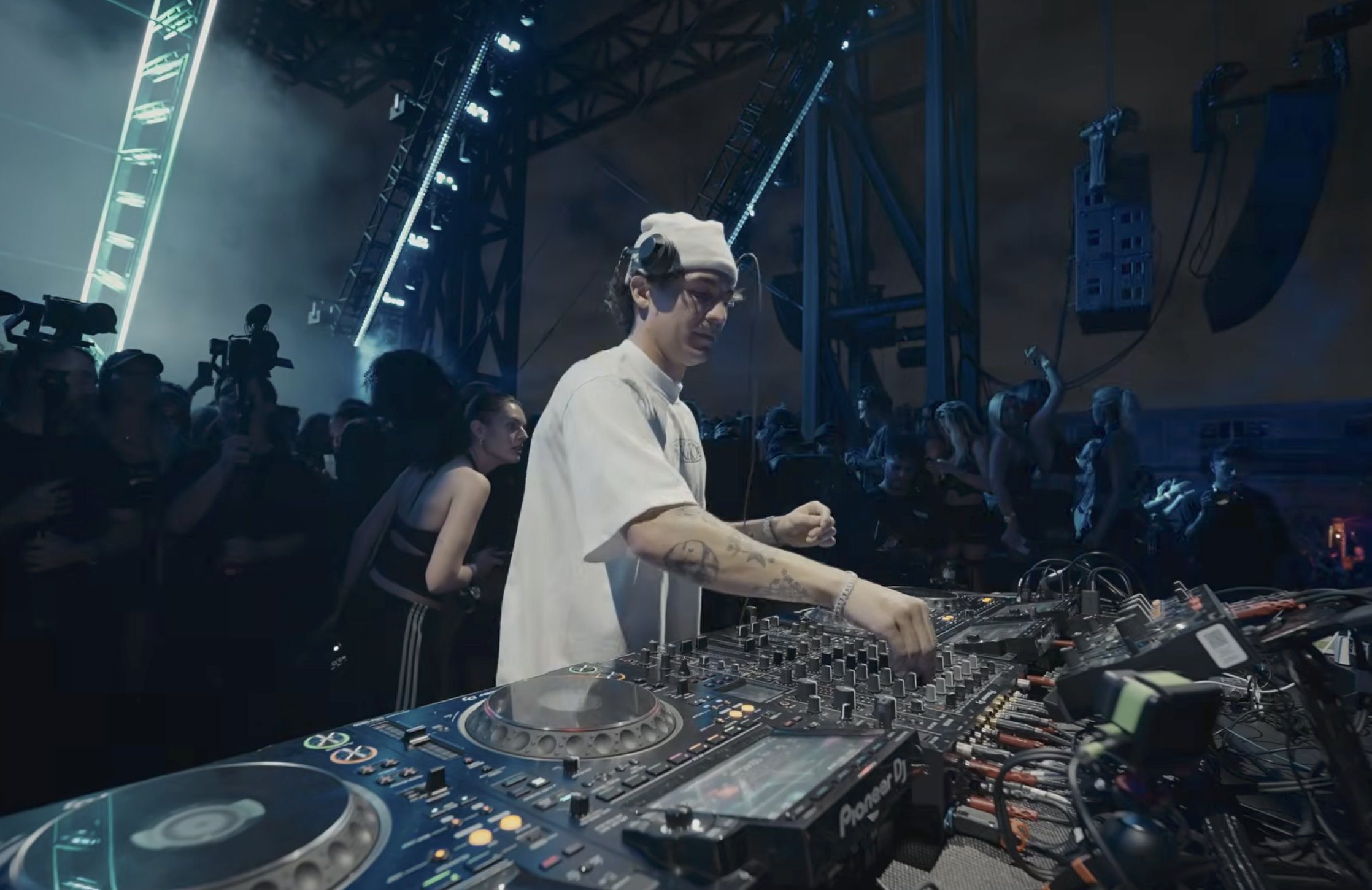
While other artists leaned heavily into chaos, aggressive drops, or hyper produced visuals, Duke Dumont walked into the Sahara Tent and delivered a set built on groove, tension, melody, and patience, the core DNA of real dance music. It was less about forcing viral moments and more about creating a sustained emotional atmosphere that slowly consumed the crowd over the course of the hour.
And for many longtime electronic music fans, it became one of the most underrated sets of the weekend.
The Artist Who Quietly Became a Global House Music Giant
Duke Dumont, born Adam Dyment in the United Kingdom, has spent the last decade building one of the most respected catalogs in modern house music without fully chasing the mainstream EDM machine.
Unlike many festival-era DJs who exploded through massive commercial drops and oversized branding, Duke Dumont carved out his identity through atmosphere and songwriting. His breakout records like “Need U (100%),” “I Got U,” “Ocean Drive,” and “Won’t Look Back” blended deep house, disco influence, indie emotion, and late-night groove into something far more sophisticated than the big-room EDM dominating the 2010s.
That restraint is part of what makes his live sets stand out. He rarely feels desperate for attention. Instead, he builds momentum carefully, layering tracks in a way that feels more like a proper underground club journey than a typical festival sprint from drop to drop. That approach translated perfectly inside Coachella’s Sahara Tent.
A Set Built on Movement Instead of Hype
From the beginning of the performance, Duke Dumont avoided the trap many electronic artists fall into at major festivals: overperforming for the crowd.
There were no endless interruptions.
No screaming into the microphone every thirty seconds.
No forced “everybody jump” moments.
Instead, the set flowed naturally through rolling basslines, hypnotic percussion, and polished transitions that kept the energy locked in without ever becoming exhausting. Tracks like “Won’t Look Back,” “Need U (100%),” and “I Got U” still hit with enormous emotional weight because Duke Dumont understands something many dance artists forget:
House music works best when it breathes.
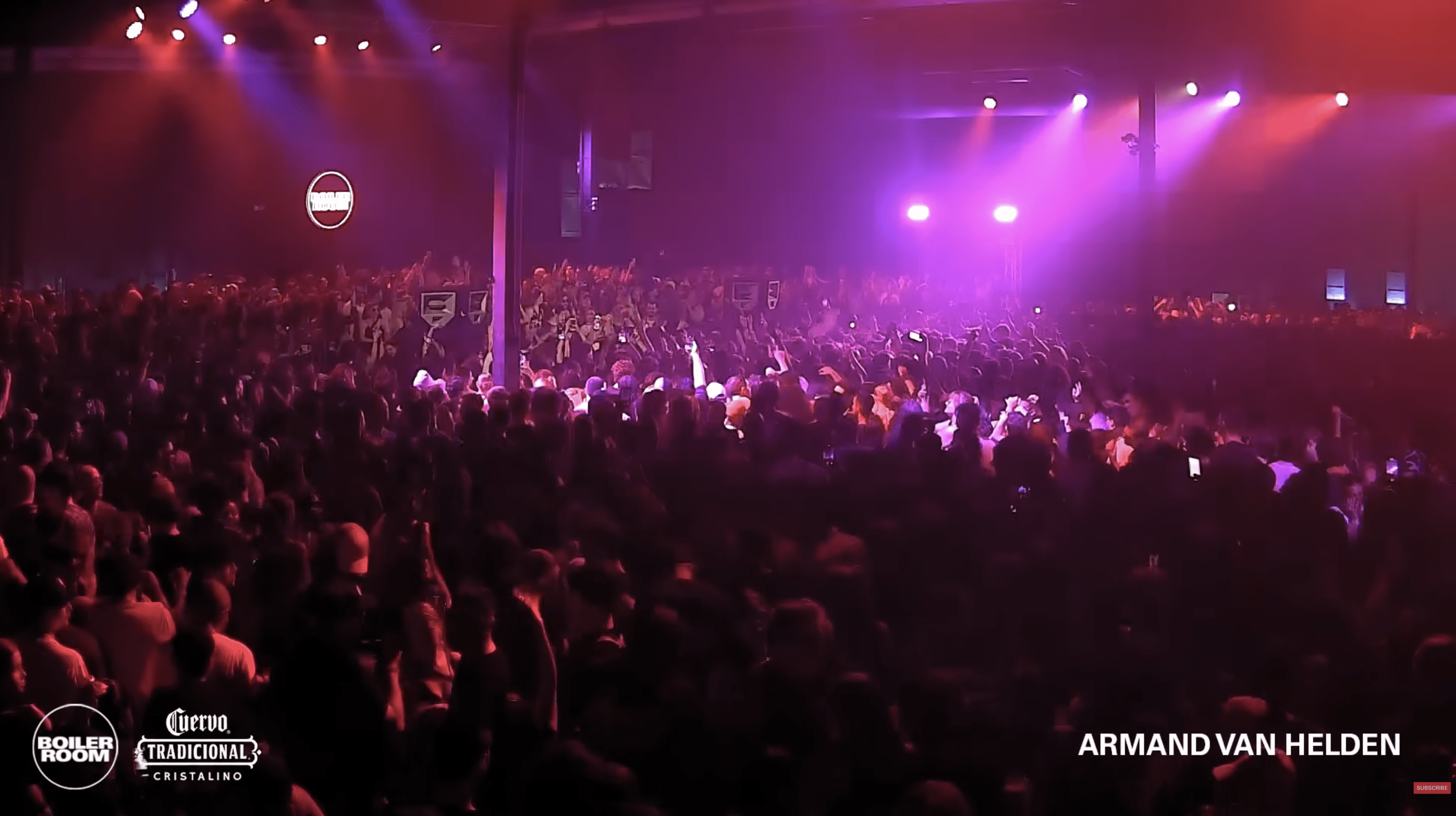
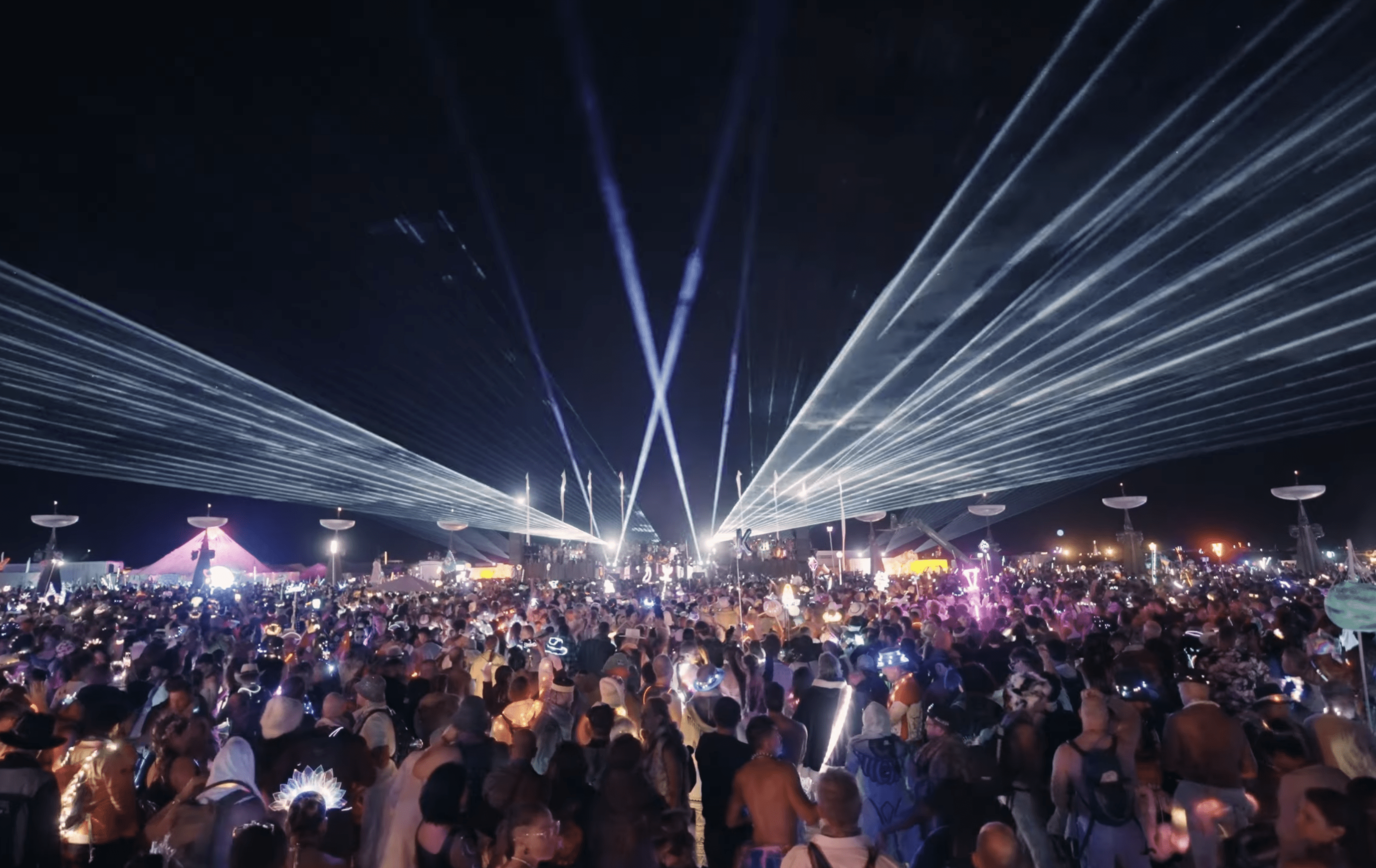
The crowd inside Sahara responded exactly how good house crowds are supposed to respond — not with constant phone screens in the air, but with movement. Continuous movement. That became one of the defining visuals of the set. Thousands of people dancing instead of simply recording.
The Soundtrack to Sunset at Coachella
Part of what elevated the performance was the timing.
Duke Dumont’s Sunday evening slot landed perfectly in the transition period where the California desert starts cooling off, the lights become sharper, and the festival energy shifts from daytime survival into nighttime release. Time Out Worldwide
His music has always thrived in that environment. There is a cinematic quality to records like “Ocean Drive” and “The Power” that feels designed for long summer nights, neon skylines, and outdoor festival fields. At Coachella, that atmosphere fully clicked.
Even critics covering the festival noted how smoothly his set carried the energy forward during Sunday night’s electronic-heavy programming. And unlike many artists who rely heavily on visuals to compensate for weak pacing, Duke Dumont’s set remained compelling because the music itself did the heavy lifting.
Why Duke Dumont Still Matters in Modern Dance Music
Electronic music changes fast. Genres rise and collapse almost yearly. TikTok accelerates trends until songs burn out in weeks. Many festival DJs become trapped chasing louder drops and shorter attention spans. Duke Dumont has survived because he never fully abandoned musicality. His productions still carry warmth. Still carry melody. Still carry restraint. That may sound simple, but in a modern electronic landscape flooded with disposable tracks designed purely for algorithms, it has become increasingly rare.
At Coachella, that difference was obvious. While many sets chased attention, Duke Dumont controlled atmosphere. And sometimes that matters more. Especially at a festival where the best performances are not always the loudest ones.















































Want to join the conversation?
Create an account or sign in to share your thoughts, vote,
and reply to other readers.
Showing 0 of 0 comments
Don't have an account?
Already have an account?