
Former NYC Mayor Eric Adams’ Crypto Venture Collapses Hours After Launch, Raising Insider Trading Questions
NEW YORK — For a brief moment Monday, Eric Adams appeared to be staging a political and financial comeback.
Standing in Times Square, just weeks after leaving office, Adams announced his first initiative as a private citizen: a new cryptocurrency called NYC Token, which he said would combat antisemitism, fight “anti-Americanism,” and help fund civic causes. He offered no specific roadmap for how a digital coin would achieve those goals, but confidently predicted explosive success.
“We’re about to change the game,” Adams said. “This thing is going to take off like crazy.”
For a short time, it did. Within minutes of launch, NYC Token surged to a valuation approaching $600 million. By that evening, it had collapsed, losing nearly 75% of its value. According to the crypto analytics firm Bubblemaps, the plunge followed the withdrawal of approximately $2.5 million worth of tokens from an account linked to the project’s creation. About $1.5 million was later returned, but by then, investor confidence had evaporated.
‘Rug Pull’ Fears and a Familiar Pattern
To several cryptocurrency analysts, the rollout bore the hallmarks of a classic “rug pull” a scheme in which insiders hype a token, then quickly sell off their holdings, leaving ordinary investors with steep losses. The tactic has become common in celebrity-linked meme coins, particularly those promoted with vague promises and limited transparency.
Others suggested a different explanation: that Adams and his team were inexperienced in crypto markets and were themselves outmaneuvered by sophisticated traders exploiting a poorly managed launch. Either way, the episode thrust Adams back into a defensive posture reminiscent of his one term mayoralty, denying wrongdoing, criticizing media coverage, and facing renewed scrutiny of the advisers surrounding him. Through a former campaign spokesperson, Adams issued multiple statements asserting that he did not profit from the token and did not move investor funds, calling reports to the contrary “false and unsupported by evidence.”
“Like many newly launched digital assets, the NYC Token experienced market volatility,” spokesperson Todd Shapiro said Wednesday. “Mr. Adams has consistently emphasized transparency, accountability, and responsible innovation.”
Questions Around Who Was Involved
Despite those assurances, Adams has declined to publicly disclose who partnered with him on the project.
Two people familiar with the launch told the Associated Press that Frank Carone, Adams’ longtime confidant, former chief adviser, and one-time attorney for the Brooklyn Democratic Party, played a significant role. The individuals spoke on condition of anonymity because they were asked not to reveal details of the project.
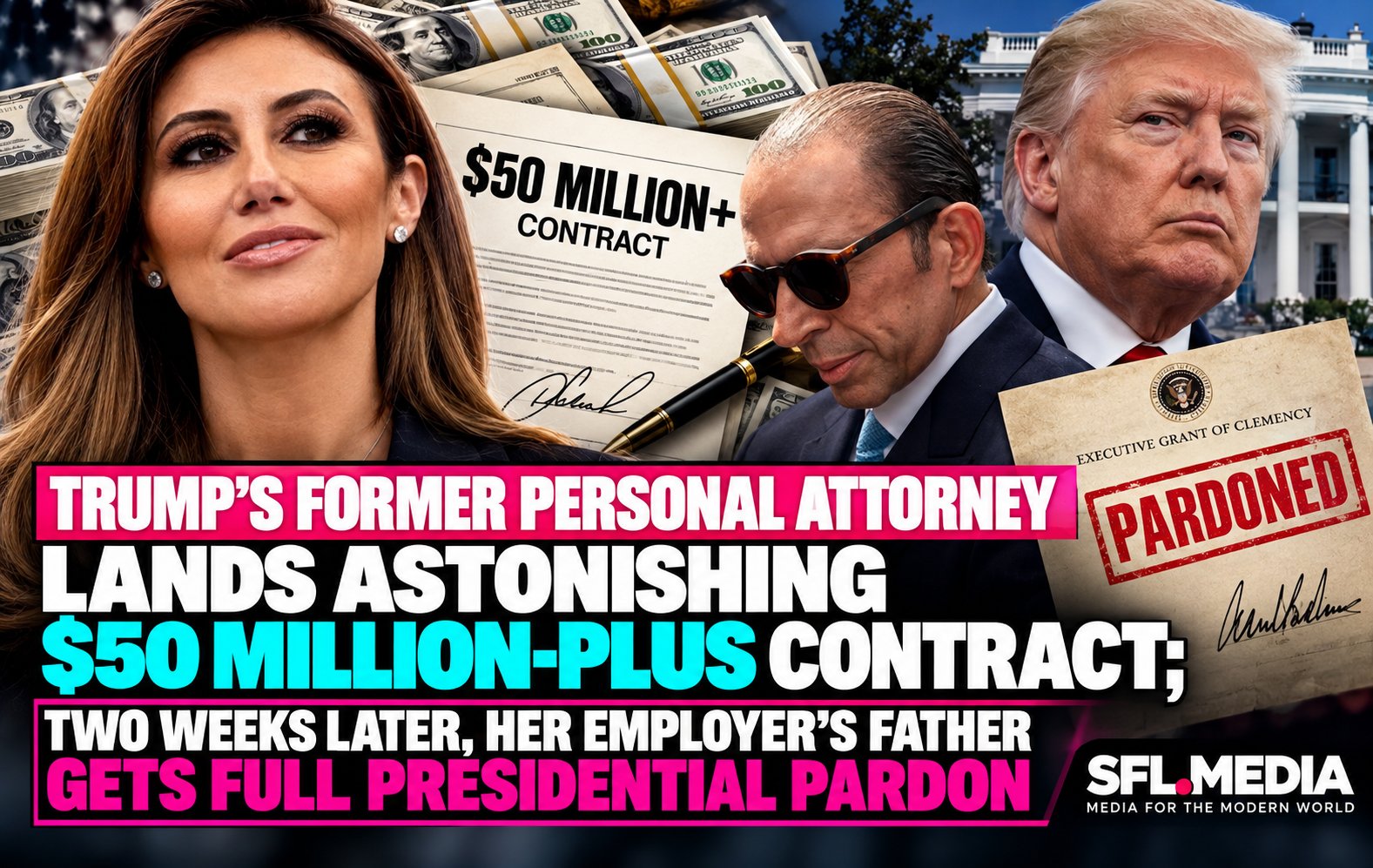
Shapiro confirmed that another figure involved was Yosef Sefi Zvieli, a real estate investor linked to several Israeli hotels and a former client of Carone. Zvieli previously owned a Brooklyn college dormitory that drew complaints over unsanitary conditions before he defaulted on the mortgage. After hiring Carone as counsel, the property was converted into a city financed homeless shelter.
The precise roles Carone and Zvieli played in the token’s creation remain unclear. According to sources, Zvieli was involved in outreach to online influencers ahead of the launch. Neither man is known to have experience in cryptocurrency. Requests for comment were not returned.
Market Activity Raises Red Flags
Data analyzed by Bubblemaps showed that just over 4,000 accounts invested in NYC Token as of Thursday, a relatively small number compared to other politically linked crypto ventures. Roughly 80% of those purchases occurred during a narrow 20 minute window before Adams publicly announced the coin but after it became available for trading. That timing, analysts said, gave a clear advantage to insiders and traders closely monitoring new token releases.
“Political coins are driven purely by attention,” said Nicolas Vaiman, founder of Bubblemaps. “Attention peaks immediately after launch, and experienced traders know they don’t want to stick around, especially when the purpose is vague.”
The token’s website states that a “portion of the proceeds” would be split evenly among antisemitism and anti-Americanism awareness campaigns, crypto education for city youth, and scholarships. It does not identify beneficiary organizations or specify what percentage of funds would be donated.
Adams Pushes Back, Blames Market Mechanics
Adams has disputed claims that project insiders withdrew funds, saying the apparent transactions were the result of routine adjustments by a designated market maker, an entity meant to stabilize prices during early trading. The market maker reportedly involved is FalconX, a prominent crypto brokerage. The company declined to comment publicly.
As scrutiny intensified, Adams sought advice from Brock Pierce, a billionaire crypto investor and former child actor, whose private jet Adams occasionally used during his mayoralty. After reviewing the situation, Pierce said he believed no one had absconded with investor money but criticized the project’s execution.
“Had I been consulted, I would’ve put together a team of more qualified people who knew what they’re doing,” Pierce said, noting he only learned of the token after its launch.
A Risky Intersection of Politics and Crypto
Experts say crypto projects promoted by political figures are especially vulnerable to abuse and volatility. Argentina’s president Javier Milei has faced fraud allegations over a similar crypto promotion, while meme coins linked to Donald Trump and Melania Trump have also seen wild price swings. As of Wednesday, Bubblemaps found that most NYC Token investors were in the red. Fifteen accounts had lost at least $100,000, while only ten showed gains of that magnitude.
Pierce said the project might still be salvageable, but others were skeptical.
“It could be legitimate with a really bad rollout,” said Benjamin Cowen, founder of crypto research firm Into the Cryptoverse. “But the way it was launched didn’t inspire confidence. It’s very hard to regain trust in the crypto community.”
For Adams, the episode has quickly turned what was billed as a bold new chapter into another controversy one that raises fresh questions about judgment, transparency, and the company he keeps, long after leaving City Hall.
















































Want to join the conversation?
Create an account or sign in to share your thoughts, vote,
and reply to other readers.
Showing 0 of 0 comments
Don't have an account?
Already have an account?