

Hackers Leak Customer Data From JPMorgan Chase, Visa and Mastercard
Thousands of customers connected to JPMorgan Chase, Visa and Mastercard may have had personal information exposed after hackers targeted third-party service providers, raising new concerns about cybersecurity and the handling of sensitive financial information.
The November 19, 2026, disclosures follow reports that a ransomware group known as n0n claimed responsibility for leaking customer information associated with the three major financial companies. According to reporting by The Wall Street Journal and additional information reviewed by Reuters, the incidents involved outside vendors that provide services to the financial institutions.
The companies have emphasized that their own payment networks and banking services were not disrupted and that payment card information, including credit card numbers, was not compromised.
What Happened in the Cyberattack?
The reported attacks involved third-party companies that handle information and provide services for JPMorgan Chase, Visa and Mastercard. Rather than directly breaching the companies’ core banking or payment infrastructure, attackers reportedly accessed information stored by outside service providers.
The ransomware group n0n claimed responsibility for the incidents and published data it said was stolen from the companies’ vendors. However, Reuters reported that it could not independently verify the authenticity of the leaked information.
The identities of the affected third-party providers have not been publicly disclosed. The incidents highlight a growing cybersecurity concern for major financial institutions: customer information can be exposed through outside contractors even when a company’s own systems remain secure.
JPMorgan Chase Customers May Have Had Personal Information Exposed
JPMorgan Chase confirmed that third-party vendors providing services to the bank were targeted in a cyberattack. A spokesperson said the bank’s investigation indicated that attackers may have accessed marketing information held by those vendors, potentially including customer names and email addresses.
The bank said it would contact affected customers directly when appropriate and provide assistance, including complimentary credit monitoring. JPMorgan Chase also stressed that the incident did not disrupt its banking services.
The leaked information reportedly included thousands of customer email addresses and some additional contact details. Reuters reviewed data associated with the incident but said it could not independently authenticate the information. The bank has not publicly identified the vendors involved or confirmed the total number of affected customers.
Visa Confirms Third-Party Security Incident
Visa confirmed that it was aware of claims involving a cybersecurity incident at a third-party service provider operating in the Asia-Pacific region. The company said its own systems were not involved or affected by the incident. Visa also emphasized that no payment information, including card numbers, was compromised.
Information published by the hacking group reportedly included customer email addresses, phone numbers and marketing campaign records associated with several Asia-Pacific markets. The company has not publicly identified the affected service provider or provided a complete accounting of potentially affected customers.
Mastercard Reports Exposure of Customer Email Addresses
Mastercard also confirmed that one of its third-party providers experienced a security incident that exposed a limited amount of customer information. According to the company, the exposed information involved email addresses belonging to a small subset of cardholders enrolled in a specific benefits program.
Mastercard said the exposed information did not include payment data and that the incident did not affect its payment network or customers’ ability to use their cards. The company also said the exposure had been contained and that it was working with the affected provider to assist impacted cardholders as necessary.
Who Is Behind the Cyberattack?
A ransomware group identified as n0n has claimed responsibility for the attacks involving the financial companies. The group reportedly published information it claimed to have obtained from third-party service providers.
Cybersecurity researchers have been tracking the group’s activities since its emergence in September 2026. However, claims made by cybercriminal groups are not automatically proof that every published record is authentic or that all information belongs to the companies they identify.
Reuters reviewed portions of the material associated with the incidents but could not independently verify the authenticity of the leaked data. The companies have not publicly confirmed that every record published by the group is legitimate.
Are Chase, Visa and Mastercard Customers’ Credit Cards Safe?
The companies have said their payment systems were not compromised by the reported incidents. Visa confirmed that payment information, including card numbers, was not affected. Mastercard said the exposure involved limited nonpayment information, while JPMorgan Chase said the information potentially accessed included marketing data such as customer names and email addresses.
However, the exposure of email addresses and other contact information can still create security risks. Cybercriminals may use personal information to create convincing phishing emails, fraudulent text messages and impersonation attempts designed to trick customers into revealing passwords, banking credentials or other sensitive information.
Customers should be particularly cautious about unexpected messages claiming to come from their banks or credit card companies. Anyone receiving suspicious communications should avoid clicking unfamiliar links, sharing account credentials or providing personal information in response to unsolicited requests.
JPMorgan Chase Cyberattack Unrelated to Recent Banking Outage
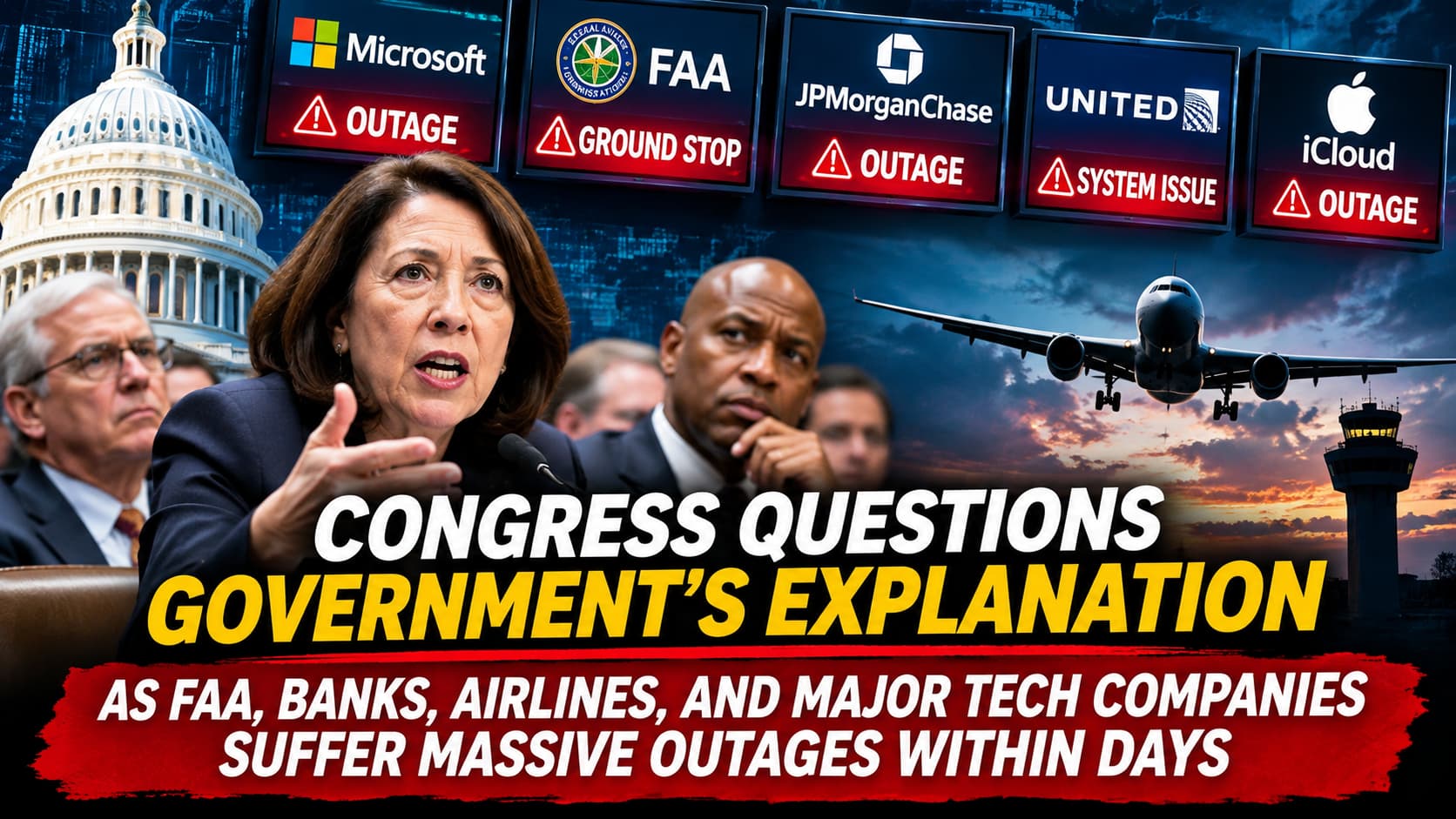
The cybersecurity disclosures also come days after JPMorgan Chase customers experienced technical problems affecting online banking and transaction processing. The bank attributed those disruptions to a software bug involving its internal hardware systems.
JPMorgan Chase specifically said the earlier service interruptions were unrelated to the third-party vendor cyberattack. The distinction is important because the two incidents involved different problems: one concerned a software issue affecting banking services, while the other involved unauthorized access to information held by outside service providers.
What Customers Should Know
Although JPMorgan Chase, Visa and Mastercard have said their payment networks and core services were not affected, the incidents demonstrate how vulnerable customer information can become when companies rely on outside vendors.
Customers should monitor their financial accounts, remain alert for suspicious emails and text messages, use strong passwords and enable multifactor authentication when available.
Anyone who receives an official notification from one of the companies should follow the instructions provided and verify communications through the company’s official website or customer service channels.
The companies have not publicly disclosed the complete number of affected customers or identified all the third-party providers involved. Investigations and efforts to assist potentially affected customers are ongoing.














Loading comments…