
The Biggest Event in American Sports
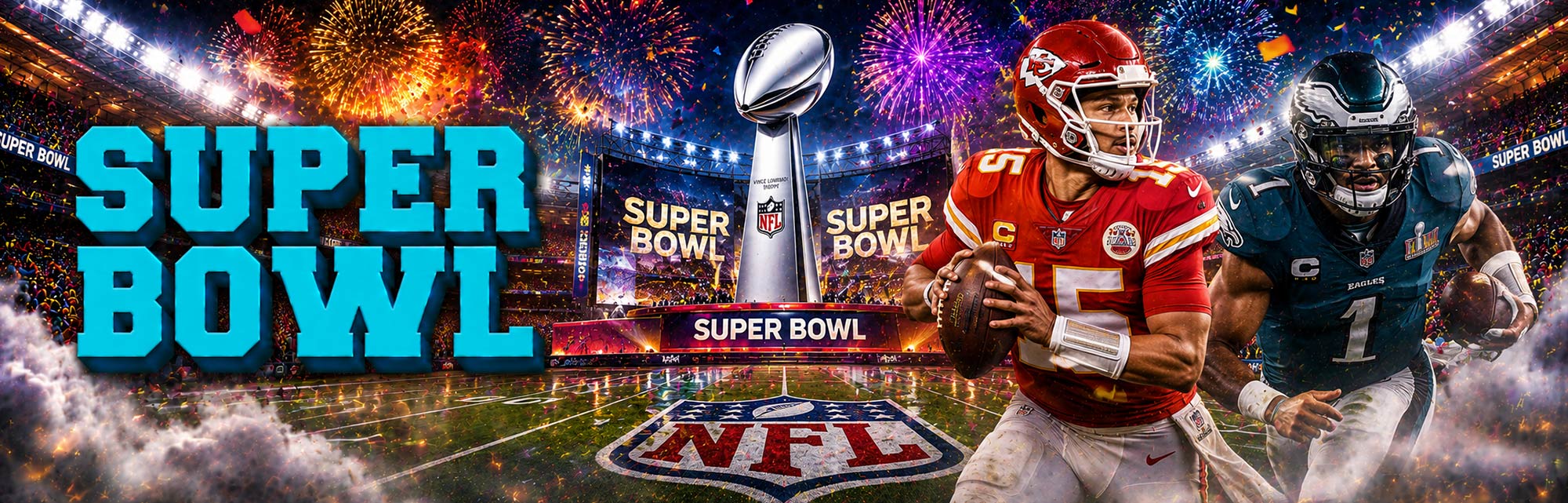
The Super Bowl is no longer just a championship game. It is the single most powerful revenue engine in American sports, a weeklong spectacle that blends football, entertainment, advertising, and corporate influence into one tightly controlled product. Each year, the game attracts well over 100 million television viewers in the United States alone, with a global audience that continues to expand. That attention translates directly into money, much of it flowing straight to the NFL.
Broadcast Rights Drive the Core Revenue
The NFL’s most reliable Super Bowl revenue comes from media rights. Networks pay billions of dollars for long term broadcast contracts that include the Super Bowl on a rotating basis. Those deals guarantee the league a massive payout before a single ticket is sold or advertisement airs. While networks shoulder the risk, the NFL locks in profit, using the Super Bowl as the crown jewel that justifies premium pricing across the entire season.
Advertising Power Without Selling Ads
Unlike most major sporting events, the NFL itself does not sell Super Bowl commercials. Networks handle ad sales, often charging record breaking rates for 30 second spots. The league still benefits indirectly because those ad prices are baked into the value of broadcast contracts. As Super Bowl ad rates rise, so does the leverage the NFL holds when negotiating its next media deal.
Ticketing and League Control
Although the game is hosted in a specific city and stadium, the NFL controls the majority of Super Bowl ticket inventory. Only a limited portion is available to the general public. Most seats are allocated to corporate partners, sponsors, broadcasters, and league affiliates. Tickets that do reach consumers often come with premium pricing, hospitality packages, or bundled experiences that significantly increase per fan revenue.
Sponsorships and On Site Activations
Super Bowl week is as valuable as game day itself. The NFL uses the event to activate league wide sponsorships through branded experiences, pop up events, fan festivals, and exclusive parties. Sponsors pay for access to the Super Bowl brand, not just stadium signage. That branding power allows the league to monetize everything from official merchandise to fan experiences tied to the host city.
Merchandise and Licensing
Super Bowl merchandise is another major income stream. Hats, jerseys, commemorative apparel, and collectibles are sold worldwide both before and after the game. Because the NFL centrally controls licensing, the league earns a percentage of every item sold, regardless of which teams are playing. Even losing teams generate merchandise revenue simply by reaching the Super Bowl.
The Host City Pays Too
Cities compete aggressively to host the Super Bowl, often committing public funds for security, infrastructure upgrades, and logistics. While local governments argue the event boosts tourism and visibility, the NFL benefits from hosting fees and guarantees that reduce its financial exposure. The league essentially exports costs while importing profit.
A Machine Built for Annual Profit
The Super Bowl has evolved into a carefully engineered business model. The NFL minimizes risk, maximizes control, and monetizes every layer of the event from broadcast rights to fan experiences. Football remains the product, but the real victory is financial. Long after the final whistle blows, the Super Bowl continues to pay dividends to the league that created it.



























































Want to join the conversation?
Create an account or sign in to share your thoughts, vote,
and reply to other readers.
Showing 0 of 0 comments
Don't have an account?
Already have an account?