
RushTok
Sorority recruitment, better known as “rush,” has transformed from a campus tradition into a viral social media spectacle known as RushTok. This summer, TikTok feeds have been flooded with videos of synchronized dances, coordinated outfits, and college students striving to make a memorable first impression, marking the start of recruitment season. What began during the 2021 University of Alabama rush has grown into a global phenomenon, with hashtags like #BamaRush and #RushTok amassing billions of views. RushTok is now happening at nearly every school with a Greek system, from large SEC universities to smaller liberal arts colleges, each producing its own wave of outfit-of-the-day clips, choreographed skits, and behind-the-scenes recruitment content. Media outlets now call it TikTok’s “most addictive reality show,” with its mix of fashion, drama, and curated storytelling so compelling that it even inspired a Lifetime documentary.
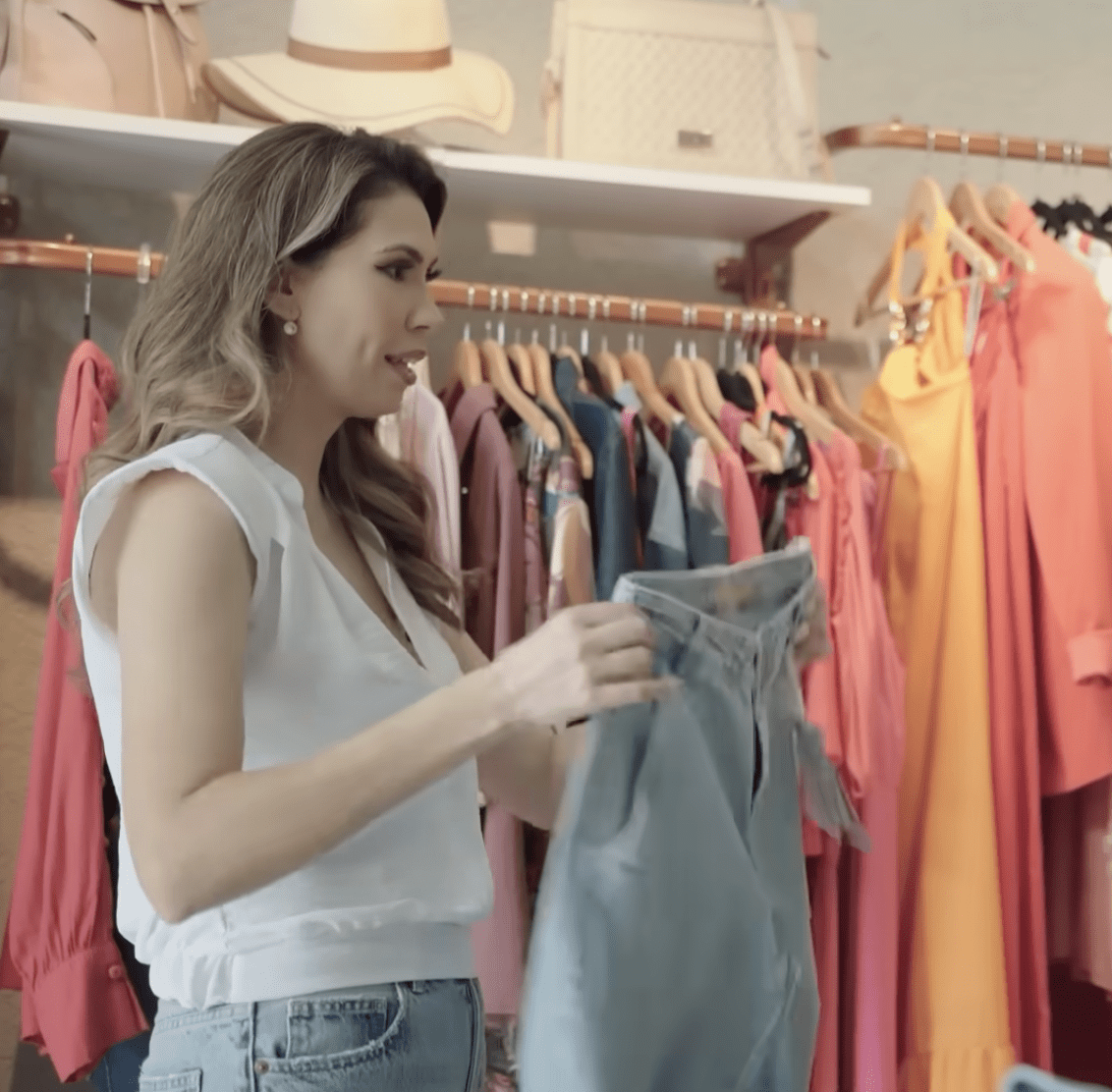
The financial costs behind the spectacle are staggering. At the University of Alabama, recruitment fees average $375, with early dorm move-in adding about $180. Once students accept a bid, semester dues can range between $4,750 and $5,532, depending on whether they live in-house or off-campus. Beyond these required expenses, the pressure to stand out on social media has fueled a surge in luxury spending. Some recruits have spent upwards of $19,000 on designer outfits and accessories, though such spending is not mandatory. Parents, too, are investing heavily, with some spending more than $10,000 on clothing, accessories, and private rush coaches—consultants who can charge up to $4,000 for image consulting, social media strategy, and personal branding. Similar spending patterns are now being reported at schools nationwide as RushTok culture spreads beyond Alabama to campuses in Texas, Florida, California, and the Midwest.
The emotional cost can be just as steep. Recruitment week is often described as mentally exhausting, with intense social pressure and a competitive atmosphere that can leave lasting effects. Some high-profile participants, like Kylan Darnell—once dubbed the “Queen of Bama Rush”—have publicly stepped back from the spotlight, citing burnout from the demands of constant posting and scrutiny. Still, a new wave of recruits is embracing authenticity over perfection, posting about insecurities and challenges in a bid to connect more genuinely with audiences. This shift is visible not just at Alabama but at RushTok hubs across the country, where relatability is becoming as valuable as polished presentation.
RushTok has also sparked broader cultural conversations. Critics have pointed to systemic issues within sorority culture, including a lack of diversity and ongoing elitism, while others note the platform’s role in reinforcing—or challenging—traditional standards of beauty, class, and social status. This year’s recruitment season has even taken on political undertones, with the “good genes” or “good jeans” trend emerging after controversy surrounding a recent American Eagle ad, leading to divided interpretations across the internet. The trend is appearing in RushTok videos at multiple campuses, further amplifying its reach.
What’s clear is that RushTok is no longer just about joining a sorority—it’s a performance, a high-stakes investment, and a cultural flashpoint. As recruitment continues at universities across the country, RushTok remains a space where young women navigate the tension between authenticity and image, belonging and branding, in an era where first impressions are broadcast to millions.
















































Want to join the conversation?
Create an account or sign in to share your thoughts, vote,
and reply to other readers.
Showing 0 of 0 comments
Don't have an account?
Already have an account?