
Russia Escalates Provocations as NATO Allies Scramble in Response to Mass Strikes on Ukraine
Russia’s war in Ukraine veered dangerously closer to NATO territory this weekend, with massive overnight strikes triggering air defense alerts in Poland and new airspace violations in Estonia. The dual provocations mark one of the most serious escalations in Moscow’s confrontation with the West since the invasion began in 2022.
Overnight Assault on Ukraine Sparks Polish Scramble
In the early hours of Saturday, Russia unleashed one of its heaviest aerial barrages of the war, launching nearly 600 attack and decoy drones alongside cruise and ballistic missiles. Ukraine’s air force reported intercepting many of the incoming threats, but the sheer scale of the strike left destruction in multiple cities. At least eight civilians were killed and more than 30 injured in the past 24 hours.
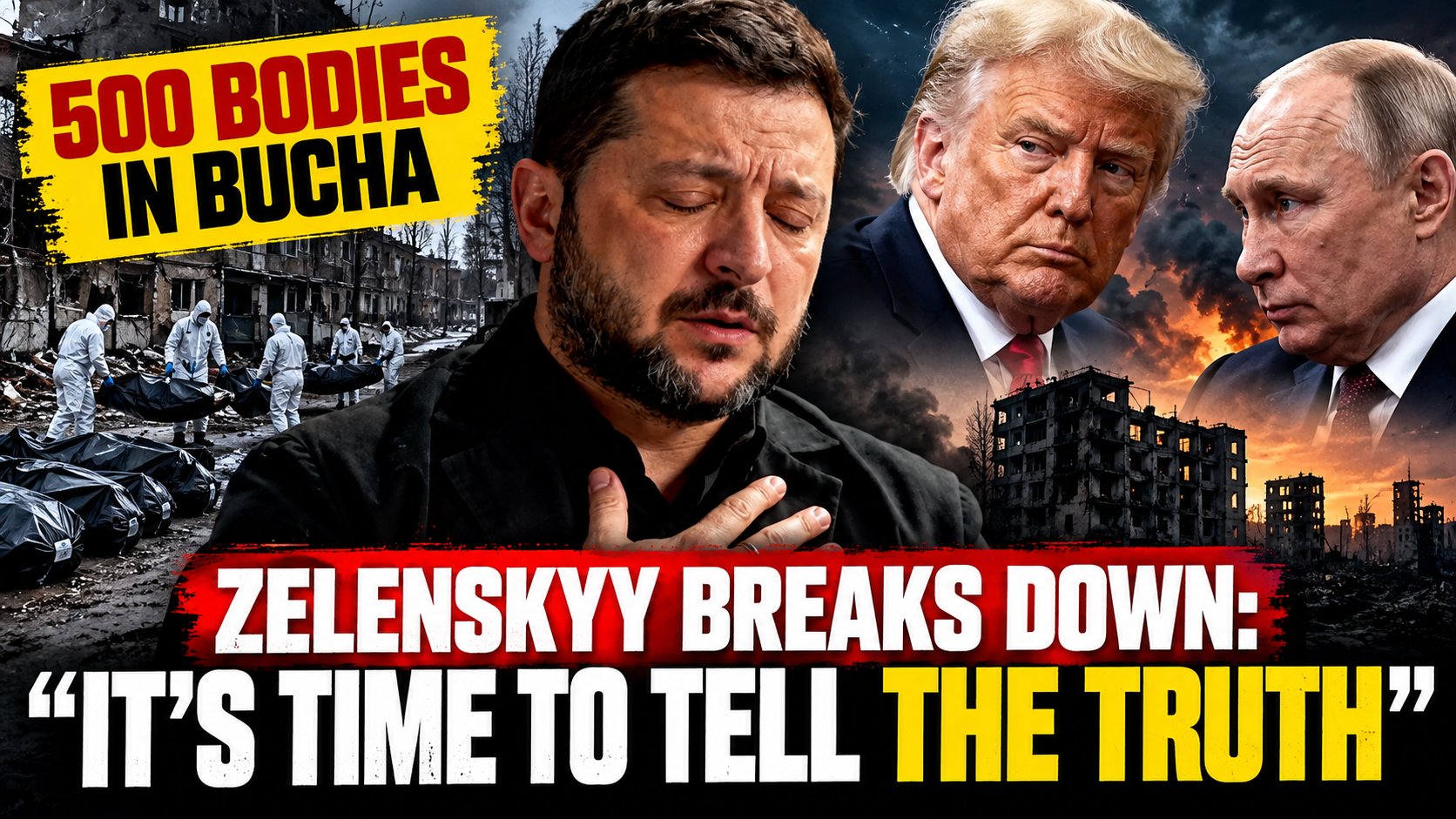
Ukrainian President Volodymyr Zelensky condemned the attack as a campaign of terror, not a military necessity, warning that Russia’s strategy was to break civilian morale by destroying infrastructure. “Every such strike is not a military necessity but a deliberate strategy by Russia to terrorize civilians,” he said, calling for a strong international response.
The strikes also rattled NATO’s eastern flank. Poland’s military confirmed it scrambled fighters and raised ground defenses to maximum readiness after Russian long-range bombers launched waves of drones close to its border. “Duty fighter pairs have been scrambled, and ground-based air defense systems as well as radiolocation reconnaissance have reached a state of maximum readiness,” Poland’s armed forces declared.
“Brazen” Airspace Violations in Estonia
The escalation came just hours after another flashpoint. On Friday, NATO intercepted three Russian MiG-31 fighter jets that crossed into Estonian airspace over the Gulf of Finland. The incursion, lasting 12 minutes with transponders switched off and no filed flight plan, was branded “unprecedentedly brazen” by Estonia’s foreign ministry.
NATO aircraft including Italian F-35s, along with Swedish and Finnish fighters were scrambled under the alliance’s Eastern Sentry operation. Moscow denied the violation, insisting its planes followed international rules, but Estonia has formally requested NATO Article 4 consultations, a rare mechanism that allows members to bring urgent threats directly to the alliance’s political leadership.
NATO on Edge
These incidents are not isolated. Just weeks ago, Russian drones crossed into Polish and Romanian airspace during strikes on Ukraine, prompting NATO fighters to engage. In that case, NATO forces shot down drones in Polish territory the first time the alliance has fired weapons directly against Russian assets since the invasion began.
The pattern of provocations highlights Moscow’s willingness to test NATO’s red lines. Each violation risks accidental escalation, raising the specter of a wider war should one of these incidents spiral into direct confrontation. NATO officials have already denounced Russia’s “absolutely reckless” actions, warning that repeated violations undermine regional security.
Diplomatic Tensions Ahead of UN Summit
The flare-up comes as diplomatic channels remain stalled. Peace talks have gone nowhere, and Ukraine’s Western allies are instead focusing on long-term security guarantees for Kyiv. Zelensky is scheduled to meet U.S. President Donald Trump at the United Nations General Assembly in New York next week to discuss potential frameworks.
Trump has floated a joint summit with Zelensky and Russian President Vladimir Putin, but so far, Moscow has shown no willingness to engage seriously. Instead, the Kremlin appears intent on intensifying pressure both on the battlefield in Ukraine and along NATO’s borders.
The Bigger Picture
Russia’s latest attacks are not just military maneuvers, they are provocations designed to probe NATO’s response, raise the cost of defending Ukraine, and intimidate Europe’s eastern flank. By firing missiles near Poland, violating Estonia’s airspace, and sending drones into NATO skies, Moscow is signaling that it is willing to gamble with escalation.
For NATO, the challenge now is how to respond forcefully enough to deter Russia without being dragged into direct confrontation. Each violation brings the alliance closer to that line, and each day of Russian aggression makes the possibility of a wider war harder to ignore.

















































Want to join the conversation?
Create an account or sign in to share your thoughts, vote,
and reply to other readers.
Showing 0 of 0 comments
Don't have an account?
Already have an account?