
Bill Maher Warns Against “Hot Take Nation” in Sharp New Rule Commentary
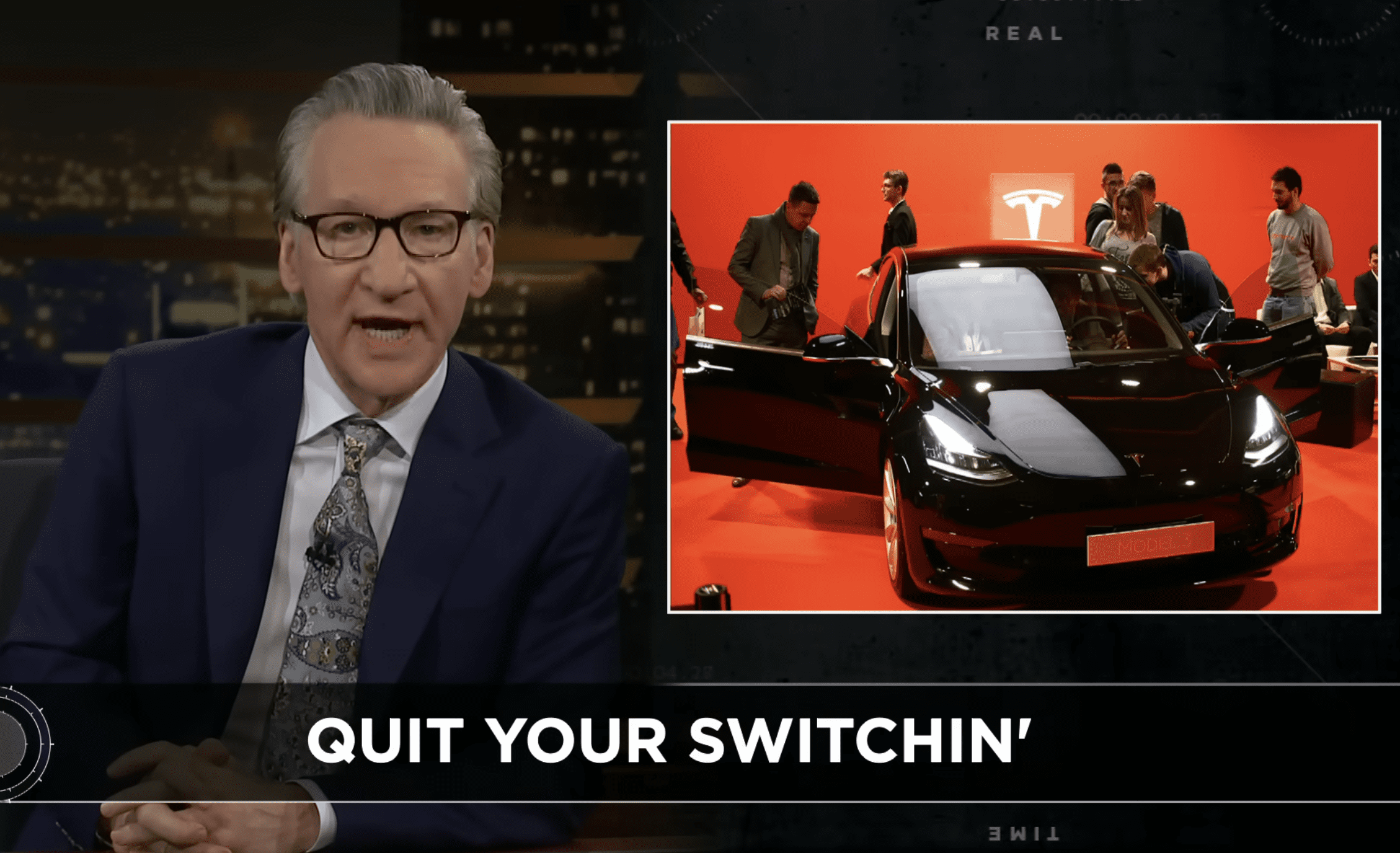
Bill Maher delivered a pointed critique of modern political discourse in the latest “New Rule” segment on Real Time, arguing that America has become consumed by what he calls a culture of instant opinion, one that rewards emotional reactions over thoughtful analysis. The segment, titled “Hot Take Nation,” focused on the growing pressure for public figures and everyday citizens alike to weigh in immediately on complex issues, often before the facts are fully understood. Maher framed this trend as a defining feature of the digital era, where speed, virality, and outrage frequently shape national conversations more than evidence or expertise.
Instant Opinions, Lasting Consequences
Maher argued that social media platforms and 24-hour news cycles have created an environment in which public discourse is driven by performance rather than substance. In this landscape, he suggested, individuals are incentivized to deliver bold, emotionally charged statements or “hot takes” that can quickly attract attention, reinforce political identity, and dominate online narratives.
The result, according to Maher, is a culture where nuance is often dismissed as weakness and evolving one’s views is treated as a liability rather than a strength. He warned that this dynamic can distort how Americans understand major policy issues, from domestic political debates to international conflicts, by reducing complicated realities into simplistic talking points designed for viral consumption.
A Media Ecosystem Built for Reaction
Maher’s commentary arrives amid a period of heightened global tensions and intense partisan debate in the United States.
In recent weeks, discussions about war, nuclear policy, economic instability, and national security have dominated headlines, topics that require careful examination but are increasingly filtered through reaction driven media cycles. He suggested that the demand for immediate commentary often leads to incomplete or misleading narratives that can influence public sentiment and political pressure long before accurate information emerges.
Maher also took aim at what he described as ideological echo chambers, arguing that audiences now gravitate toward voices that confirm their existing beliefs rather than challenge them.
A Familiar Role as Cultural Contrarian
The “New Rule” segment has long served as Maher’s platform for delivering blunt editorial commentary, often positioning himself as a critic of both progressive activism and conservative populism. Over the years, he has used the format to question political orthodoxy, media trends, and social movements, sometimes drawing praise for his willingness to challenge dominant narratives, and at other times facing backlash for perceived insensitivity or oversimplification. His latest monologue continues that tradition, framing the rise of “Hot Take Nation” as both a symptom and a cause of America’s deepening political divisions.
A Debate That Isn’t Going Away
Maher’s warning reflects a broader concern among journalists, academics, and policymakers about the long-term effects of algorithm-driven communication on democratic debate. Supporters of his argument say the country needs more intellectual patience and fact-based discussion in an era of rapid information flow. Critics counter that dismissing passionate public engagement risks undermining legitimate activism and civic participation.
What is clear is that the struggle between speed and substance, between viral reaction and informed deliberation, has become one of the defining tensions of modern political life. As Maher’s latest commentary makes clear, the question is no longer whether “hot takes” dominate the conversation, but whether American institutions and audiences are willing to slow down long enough to move beyond them.
















































Want to join the conversation?
Create an account or sign in to share your thoughts, vote,
and reply to other readers.
Showing 0 of 0 comments
Don't have an account?
Already have an account?