
Congress Presses Pentagon for Answers as New Details Emerge About Deadly Caribbean Boat Strikes
WASHINGTON — New revelations about a U.S. military strike in the Caribbean are deepening scrutiny of the Pentagon, as Congress prepares to question Adm. Frank “Mitch” Bradley in a closed-door session Thursday about a September operation that killed all 11 people aboard an alleged drug boat, including survivors of the initial attack.
Two individuals familiar with the mission, who spoke on condition of anonymity because they were not authorized to discuss the matter publicly, confirmed that the Pentagon knew survivors were still alive after the first strike on Sept. 2. Despite that knowledge, a second strike was carried out to completely sink the vessel. The Trump administration maintains that all 11 individuals on the boat were killed.
The critical unanswered question now hanging over the Pentagon is who ordered the follow-up strike and whether Defense Secretary Pete Hegseth played a direct role. One person familiar with the operation said that Hegseth’s involvement remains unclear, a gap in the timeline that lawmakers say must be resolved as investigations begin.
Bradley Faces Closed-Door Grilling on Capitol Hill
Adm. Bradley, whom the administration has described as the commander who gave the order for the second strike, is scheduled to brief leaders of the House and Senate Armed Services committees on Thursday. The briefing is expected to focus on the legality of the strike, the accuracy of the Pentagon’s public statements, and whether senior officials misled Congress in the days following the attack.
Both committees, in a rare bipartisan move, have announced formal investigations into the broader counterdrug campaign, which has now resulted in more than 80 deaths across over 20 strikes in the Caribbean and the eastern Pacific Ocean. The Pentagon declined to comment Wednesday on the new details, even as pressure builds for answers.
Legal and Ethical Fallout Intensifies
Hegseth has defended the operation as an example of battlefield uncertainty, saying during a Cabinet meeting at the White House this week that he never saw survivors and “didn’t stick around” after the first strike. He has insisted that Bradley “made the right call” and had full authority to conduct the follow-up attack.
But several legal experts and lawmakers are openly challenging that justification. They argue that a second strike on individuals who were alive, adrift, and no longer capable of resisting could constitute a violation of both peacetime law and the laws of armed conflict.
The Trump administration has repeatedly claimed that the United States is “in armed conflict” with drug cartels, a position that would expand the executive branch’s authority to use lethal force. But Congress has never authorized the use of military force in this context, and critics say the administration’s interpretation stretches existing war powers beyond recognition.
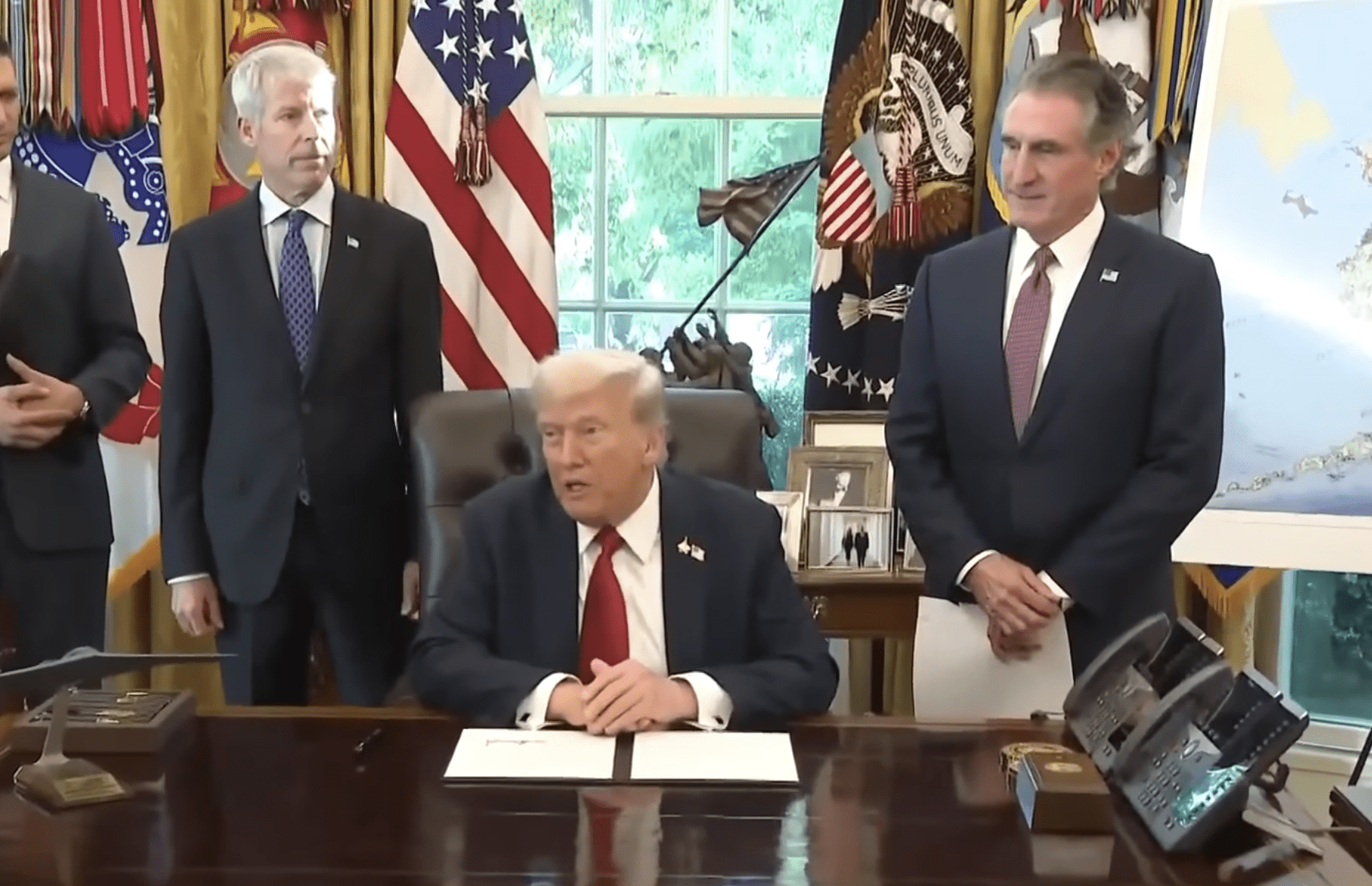
The stakes of the debate grew on Wednesday as President Trump, when asked whether he would release video of the second strike, said he would do so “no problem,” though it remains unclear what footage the administration possesses.
A Pattern of Controversial Operations
This is not the only strike now drawing international condemnation. A separate attack in mid-September led to a formal human-rights challenge from the family of Alejandro Carranza, a Colombian fisherman killed when the U.S. bombed his vessel on Sept. 15. His relatives have petitioned the leading human rights court in the Americas, alleging the operation constituted an extrajudicial killing.
The Sept. 2 strike at the center of Thursday’s briefing was the first in what has become a rapidly expanding counterdrug campaign. According to sources, lawmakers were not informed about the second strike, or the presence of survivors, during their initial classified briefing in September. Those omissions have fueled bipartisan frustration and raised questions about transparency within the Department of Defense.
One person with knowledge of the matter said that the second strike was disclosed only later and that the Pentagon’s subsequent explanations have been “broadly unsatisfactory” to members of the national security committees.
Congress Demands Clarity
The investigation now unfolding on Capitol Hill represents one of the most serious challenges yet to the administration’s handling of counterdrug operations. Lawmakers from both parties are pressing for clear answers on three central questions:
• Who authorized the second strike?
• Did senior officials mislead Congress or the public?
• Was the attack lawful under U.S. and international standards?
Bradley’s testimony is expected to shape the next phase of the probes and determine whether the Pentagon faces further oversight action in the coming weeks. As of now, both the legality of the strike and the accuracy of the Pentagon’s public statements remain very much in doubt.











































Want to join the conversation?
Create an account or sign in to share your thoughts, vote,
and reply to other readers.
Showing 0 of 0 comments
Don't have an account?
Already have an account?