
September 11, 2001 Remembrance
Nearly a quarter of a century has passed since 19 terrorists hijacked four passenger planes, striking the Twin Towers in New York City, the Pentagon outside Washington, D.C., and a field in Shanksville, Pennsylvania. The attacks killed 2,977 people and left an indelible mark on the nation’s history. On this twenty-fourth anniversary, Americans once again paused to honor the lives lost and reflect on the lasting consequences of that day.
National Observances
Commemorations took place at the three primary attack sites: Ground Zero, the Pentagon, and Shanksville. In New York, families of victims gathered to read the names of their loved ones, tolling bells and observing moments of silence. Many wore T-shirts and carried photos to keep memories alive. At the Pentagon, President Donald Trump attended a memorial ceremony, emphasizing resilience and unity in the face of tragedy. In Shanksville, where United Flight 93 crashed after passengers fought back against hijackers, family members honored the courage of those who sacrificed their lives to prevent further destruction. Across the country, local communities also marked the day with stair climbs replicating the towers’ 110 floors, candlelight vigils, and classroom lessons to ensure younger generations understand the weight of September 11.
The Ongoing Impact
The human toll of 9/11 remains staggering. Nearly 3,000 people were killed on the day itself, but the tragedy did not end there. Tens of thousands of first responders, survivors, and nearby residents have battled long-term health effects from exposure to toxic debris. Programs providing medical care and financial support have become lifelines for those still suffering. Beyond health consequences, the attacks reshaped American life in profound ways. They drove the launch of the Global War on Terror, ushered in sweeping changes in surveillance and aviation security, and altered how the United States engages with the world.
Families Speak Out
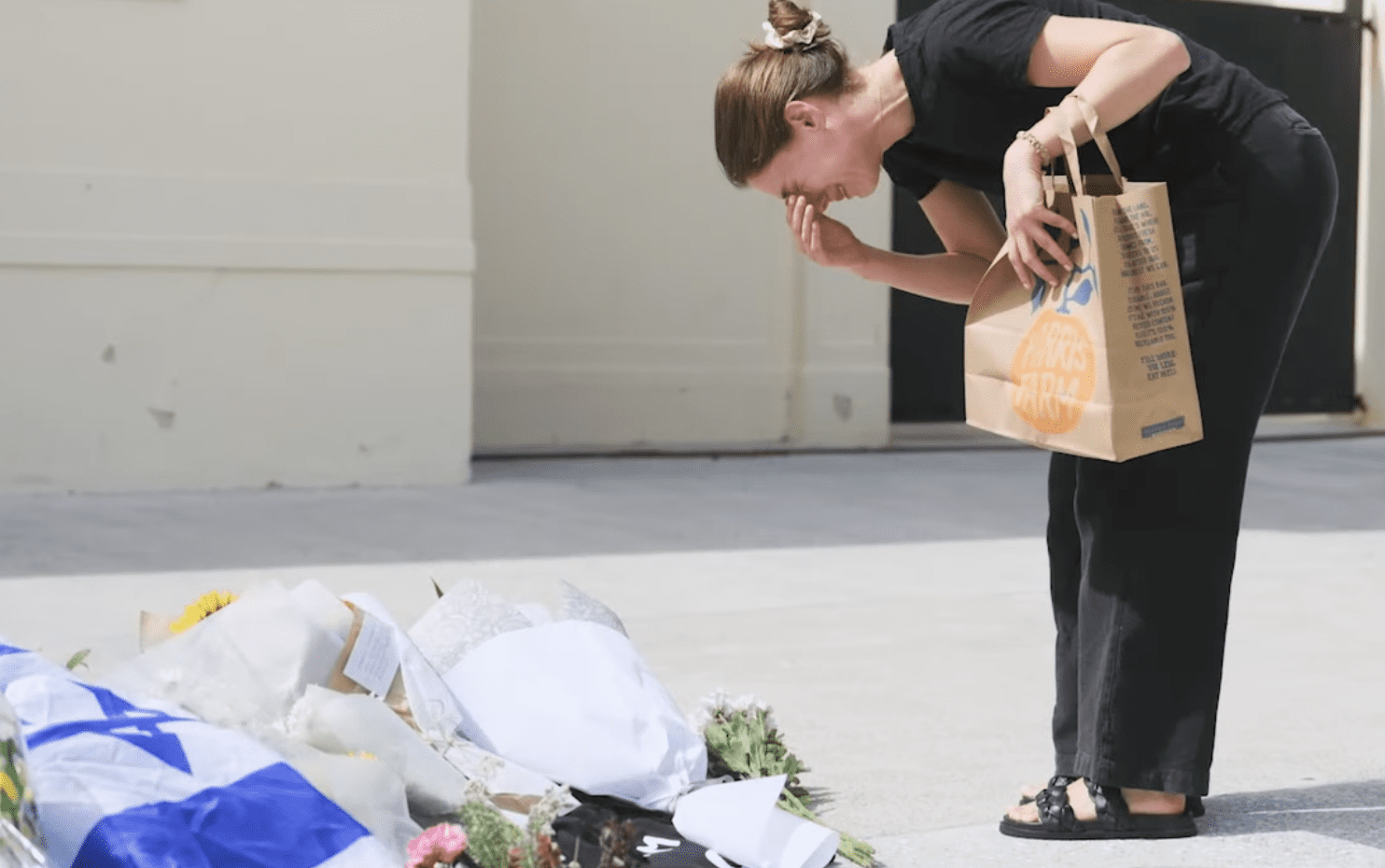
For the families of victims, the pain of loss remains raw even after twenty four years. “Even twenty four years later, it’s heart-wrenching. It feels the same way every year,” said Jennifer Nilsen, who lost her husband at Ground Zero. Others used the ceremonies to remind younger Americans, many of whom were born after 2001, that remembering the lives lost is essential. Michelle Pizzo, who lost her mother, urged students and educators to keep teaching the history and significance of the attacks so that future generations carry the memory forward.
Memory and Unity
While 9/11 once united the country in shared grief and resolve, today’s polarized political climate has complicated collective remembrance. Still, the day’s commemorations continue to serve as nonpartisan moments of reflection, where politics are set aside in favor of honoring lives lost and recognizing resilience. Yet the generational distance is real. For millions of young Americans, 9/11 exists only in textbooks and documentaries. Preserving firsthand accounts and ensuring that the day’s meaning is not diluted has become one of the most pressing challenges of remembrance.
Looking Forward
The work of remembrance does not end with annual ceremonies. It includes ongoing support for survivors and first responders still battling health issues, building new educational programs, and strengthening memorials that enshrine the stories of that day. At the same time, there is an ongoing debate about how best to balance remembrance with the need to move forward. For many, the phrase “never forget” is not just about history but about responsibility, to care for the living, to honor the dead, and to ensure that the lessons of 9/11 continue to resonate.









































Want to join the conversation?
Create an account or sign in to share your thoughts, vote,
and reply to other readers.
Showing 0 of 0 comments
Don't have an account?
Already have an account?