
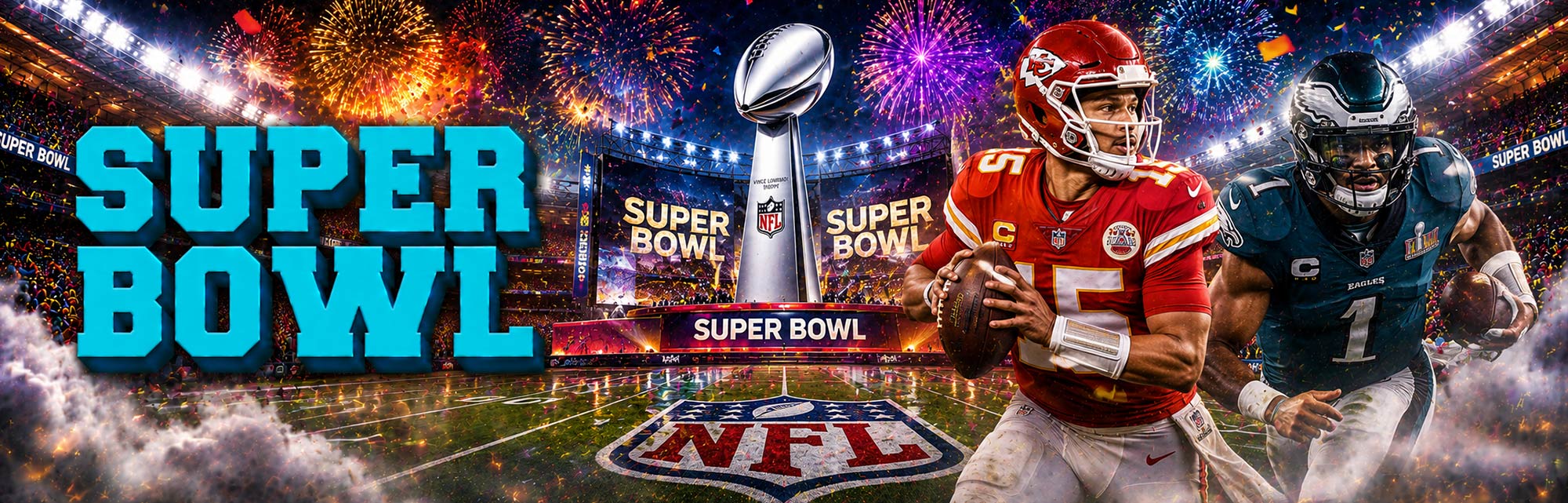
The Seattle Seahawks delivered a defensive performance for the ages Sunday night, defeating the New England Patriots 29–13 in Super Bowl 60 to claim the NFL championship for the 2025 season. Behind relentless pressure, suffocating coverage, and a powerful running game led by MVP Kenneth Walker III, Seattle controlled the game from start to finish in a defensive showdown that highlighted the franchise’s newest identity.
Seattle’s defense — nicknamed the “Dark Side” — lived up to its growing reputation by overwhelming Patriots rookie quarterback Drake Maye and the New England offense. The Seahawks recorded six sacks for 43 yards lost, forced three turnovers, and kept the Patriots out of the red zone until the final three minutes of the game. For three quarters, New England failed to score at all.
Defensive standouts were everywhere for Seattle. Cornerback Devon Witherspoon helped anchor a secondary that blanketed receivers all night, while Byron Murphy and Derick Hall led a relentless pass rush that consistently disrupted New England’s timing and rhythm. The unit’s dominance drew comparisons to Seattle’s famed “Legion of Boom” defense that powered the franchise to a Super Bowl title more than a decade earlier.
While the defense set the tone, Kenneth Walker III powered Seattle’s offense with a workhorse performance. With fellow running back Zach Charbonnet sidelined by a torn ACL, Walker carried the offensive load, rushing for 135 yards on 27 carries and finishing with 29 touches for 161 total yards. His success on outside-zone runs generated key chunk plays and allowed Seattle to control the clock throughout the game.
Despite both defenses controlling much of the night, the game finally saw offensive touchdowns on consecutive possessions to open the fourth quarter. Seattle added one more score to put the game out of reach.
Seahawks kicker Jason Myers also made Super Bowl history, converting five field goals — the most ever in a Super Bowl — as head coach Mike Macdonald opted to take points whenever opportunities arose. Seattle reached the red zone four times but scored just one touchdown, while Myers’ accuracy ensured those drives still produced points.
New England’s defense managed to keep the game within reach for much of the night, but the Patriots’ offense struggled to respond to Seattle’s physical defensive front and disguised coverages. Maye found little room to operate and rarely had time to push the ball downfield.
The victory marks a historic milestone for Macdonald, who at 38 years old becomes the third-youngest head coach to win a Super Bowl and just the fourth to do so before turning 40. In only his second season leading Seattle, Macdonald guided the franchise back to the top of the NFL behind a defense-first identity.
In the end, Super Bowl 60 belonged to Seattle’s defense and running game — a formula that proved too much for New England to overcome and delivered another Lombardi Trophy to the Pacific Northwest.


























































Want to join the conversation?
Create an account or sign in to share your thoughts, vote,
and reply to other readers.
Showing 0 of 0 comments
Don't have an account?
Already have an account?