
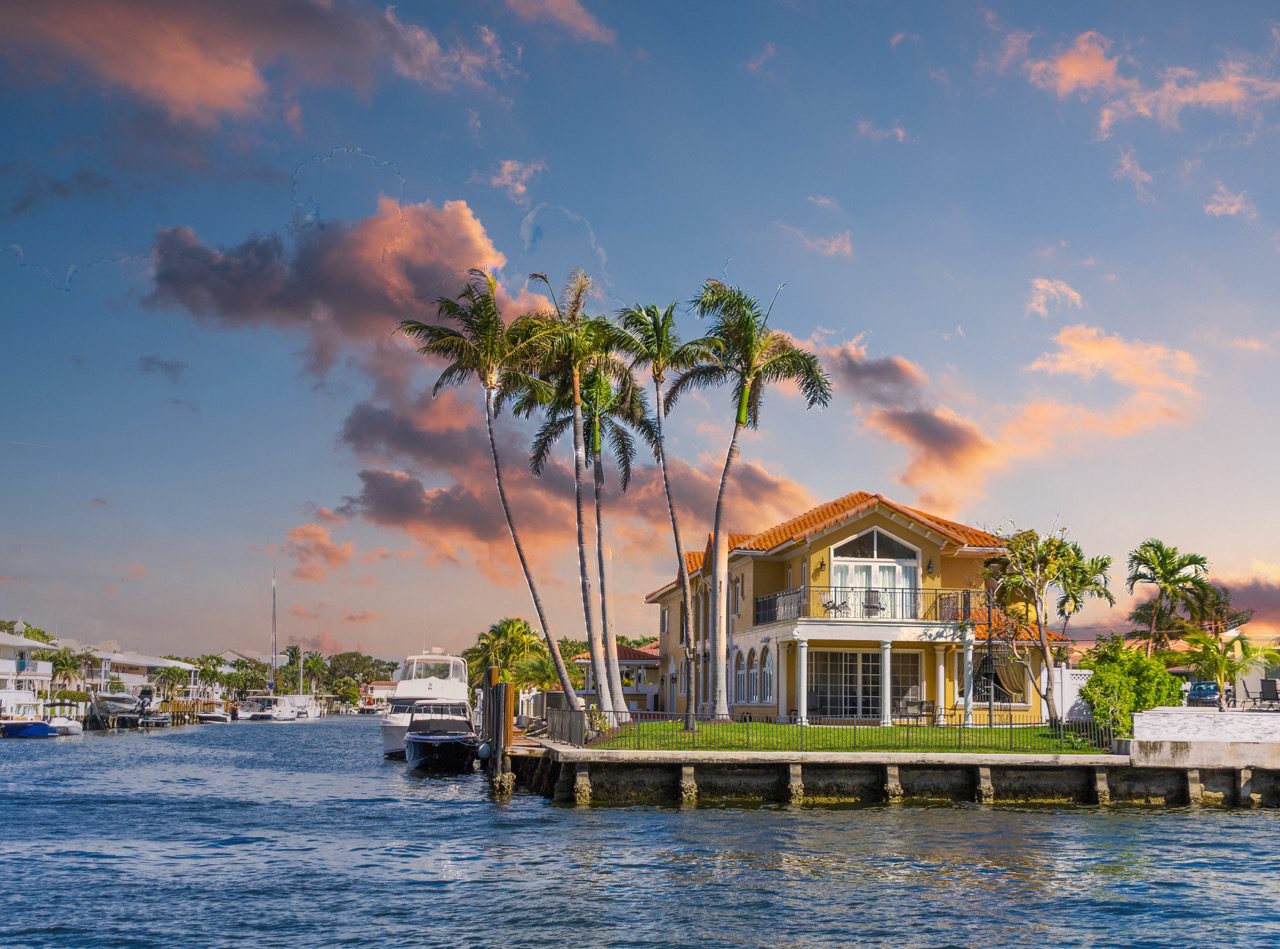
Smart Ways to Increase the Value of a South Florida Investment Property
South Florida investment property owners face a familiar challenge: how to refresh a rental or resale property in a market where sun, salt, and competition never rest. Properties that feel dated or fragile under local conditions lose momentum fast. The good news is that targeted improvements, done with climate, tenants, and returns in mind, can meaningfully lift appeal and long-term value.
Quick Takeaways
Focus first on durability upgrades that stand up to humidity, storms, and heavy use.
Make cosmetic updates that photograph well and feel current without over-customizing.
Add features that reduce maintenance and operating costs over time.
Align renovations with the expectations of renters or buyers in your specific submarket.
Focusing on Durability Before Decoration
In South Florida, resilience is value. Flooring that resists moisture, impact-rated windows, and updated roofing materials don’t just protect the asset, they reassure tenants and insurers alike. These improvements may not always be flashy, but they reduce downtime, claims, and surprise expenses. Over time, durability upgrades often outperform trend-driven renovations because they quietly defend cash flow.
Cosmetic Updates That Actually Move the Needle
Once the bones are solid, visual refreshes can dramatically change perception. Neutral paint palettes, modern lighting, and clean-lined fixtures make spaces feel brighter and larger, which matters in both photos and showings. Kitchens and bathrooms deserve special attention, but full remodels aren’t always necessary; resurfaced cabinets, updated hardware, and new backsplashes often deliver most of the impact at a fraction of the cost.
Financing Improvements Without Personal Income Hurdles
Strategic upgrades sometimes stall because traditional financing leans too heavily on personal income. Key aspects of a DSCR loan can change that equation. With a DSCR loan, qualification is tied to the property’s rental performance rather than the investor’s tax returns, which can free up capital for improvements. The ratio itself is calculated by dividing monthly rental income by total monthly housing expenses, and a result of 1.00 or higher indicates the property can carry its own debt load. For investors, this structure makes it easier to fund value-boosting upgrades while preserving flexibility and liquidity.
Tenant-Focused Enhancements That Pay Back
Renters in South Florida increasingly value convenience and efficiency. In-unit laundry, smart thermostats, and secure package areas can justify higher rents and reduce turnover. Outdoor spaces, such as shaded patios or small seating areas, also resonate, especially in multifamily properties. These features don’t just attract tenants; they encourage longer stays, which stabilizes income.
Comparing Common Upgrade Categories
Investors often face dozens of renovation options when updating a property, but not every upgrade delivers the same return. Some improvements protect the property from South Florida’s climate, while others help attract tenants or increase resale value. Understanding the cost, impact, and purpose of each upgrade helps investors prioritize renovations that strengthen both property performance and long-term profitability. The comparison below highlights several common upgrade categories and how they typically benefit South Florida investment properties.
Upgrade Type | Typical Cost Range | Primary Benefit | Best Fit For |
Impact windows | High | Storm protection, insurance savings | Long-term holds |
Interior paint & lighting | Low | Faster leasing, better photos | Quick refresh |
Energy-efficient appliances | Medium | Mid-term holds | |
Outdoor enhancements | Medium | Lifestyle appeal, rent lift | Coastal or garden units |
Deciding What to Upgrade Next
Choosing the next upgrade can feel overwhelming, especially when multiple parts of a property need attention at once. Rather than making decisions based on trends or guesswork, investors benefit from a structured approach that prioritizes the most impactful improvements first. By evaluating climate risks, market expectations, and financial returns, property owners can create a clear renovation plan that strengthens both property performance and long-term value. The steps below outline a practical way to decide which upgrades should come next.
To stay practical, break the decisions down and handle them in order:
Evaluate which components are most vulnerable to climate-related wear.
Identify cosmetic changes that align with comparable properties nearby.
Estimate how each upgrade affects rent, vacancy, or resale price.
Sequence projects to minimize vacancy and disruption.
Revisit financing options once the scope and timeline are clear.
Investor Questions About Property Refresh Strategies
Before starting any renovation project, investors often have practical questions about which improvements will deliver the best returns and how to approach upgrades without overspending. Understanding the balance between cost, market expectations, and long-term property performance is essential. The questions below address some of the most common concerns property owners have when planning refresh strategies for a South Florida investment property.
- Which upgrades matter most for resale versus rental income?
Resale buyers tend to prioritize visible condition and perceived safety, such as updated kitchens and impact windows. Renters care more about livability and monthly costs, which makes efficiency and convenience upgrades especially valuable. The right mix depends on whether your exit is short-term or long-term. - How do I avoid over-improving my property?
Over-improving usually happens when renovations exceed neighborhood standards. Study comparable properties and cap your upgrades at what the market will reward. Let rent ceilings and recent sale prices guide your budget. - Are cosmetic upgrades worth it if the structure is older?
Yes, but only after core systems are addressed. Fresh finishes can distract from age, but they won’t compensate for failing plumbing or roofing. Start with essentials, then layer in aesthetics. - Can upgrades really reduce long-term operating costs?
Absolutely, when chosen carefully. Durable materials, efficient appliances, and low-maintenance landscaping all cut recurring expenses. Those savings compound over time and protect net returns. - How quickly should I expect returns after renovations?
Some improvements, like paint and lighting, can boost rents almost immediately. Others, such as windows or roofing, pay back gradually through reduced risk and expenses. Think in terms of blended returns rather than instant wins. - Is it better to renovate all at once or in phases?
Phasing can preserve cash flow, especially in occupied properties. However, bundling projects may reduce labor costs and downtime. The optimal approach balances tenant disruption with budget flexibility.
Bringing It All Together
Refreshing a South Florida investment property is less about chasing trends and more about smart alignment with climate, tenants, and financial goals. By prioritizing durability, making selective visual updates, and funding improvements in a way that supports cash flow, owners can strengthen both appeal and resilience. Thoughtful upgrades don’t just make a property look better, they make it perform better, year after year.



















































Want to join the conversation?
Create an account or sign in to share your thoughts, vote,
and reply to other readers.
Showing 0 of 0 comments
Don't have an account?
Already have an account?