
Spirit Airlines Social Media Campaign
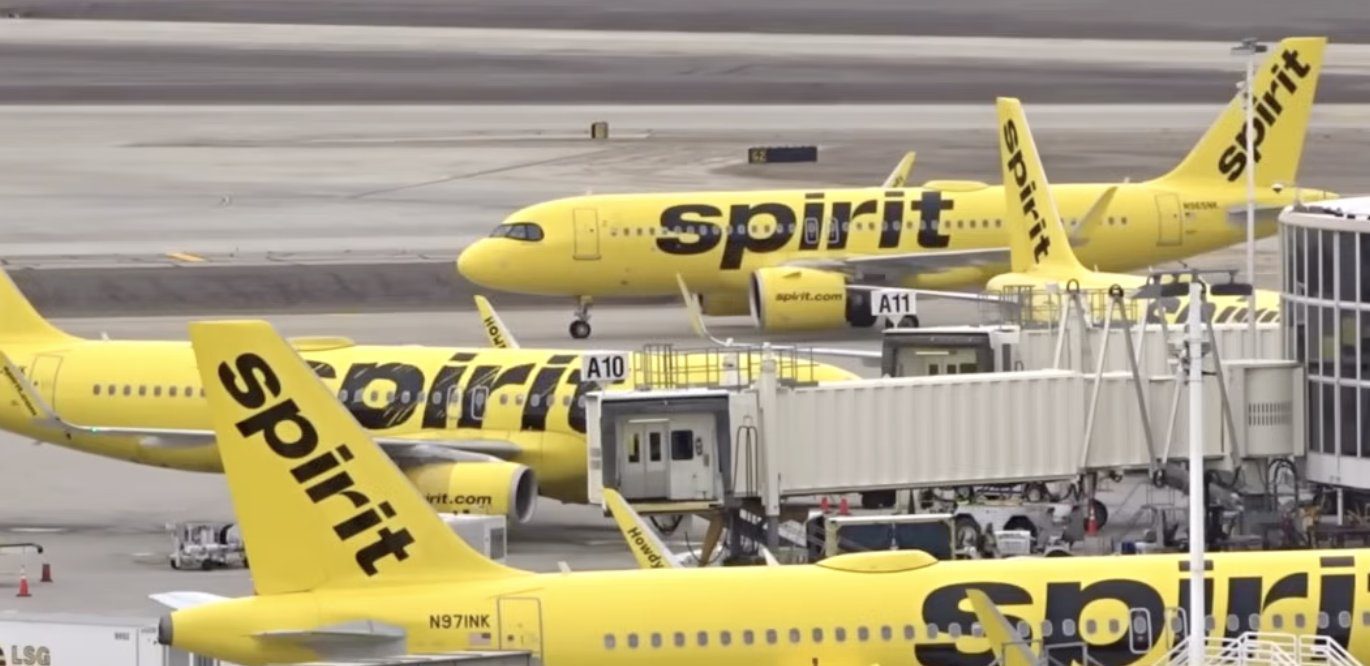
A viral social media movement aimed at reviving Spirit Airlines has reportedly surpassed $300 million in pledged crowdfunding support, turning what began as an internet joke into one of the most bizarre and revealing financial campaigns of 2026. The campaign, largely fueled by TikTok and other social platforms, was launched by content creator Hunter Peterson after Spirit abruptly ceased operations earlier this month. The airline’s shutdown stranded travelers across the country, wiped out thousands of jobs, and triggered a wave of online nostalgia from travelers who viewed the carrier as chaotic but affordable. According to multiple reports, the online movement accumulated hundreds of millions of dollars in nonbinding pledges from supporters who claim they want to help purchase and relaunch the airline. The website tied to the campaign reportedly crashed multiple times due to overwhelming traffic and viral attention.
A Meme Campaign That Became Something Bigger
What started as internet satire quickly evolved into a genuine grassroots movement. Videos tagged with phrases like “Let’s Buy Spirit” exploded across TikTok, with users framing the airline as an underdog victim of rising fuel prices, consolidation in the airline industry, and broader economic instability. Peterson reportedly said the rapid growth of the campaign stunned him as public pledges quickly crossed the $300 million mark. Despite the enthusiasm, aviation analysts remain deeply skeptical that a crowdfunded acquisition of a major airline is remotely feasible. Restarting an airline requires far more than online pledges. It involves federal certification, aircraft leases, airport gate access, labor agreements, regulatory approvals, and billions in operational infrastructure. Still, the campaign highlights something larger than aviation economics: growing public frustration over shrinking affordable travel options in the United States.
Why Spirit’s Collapse Hit A Nerve
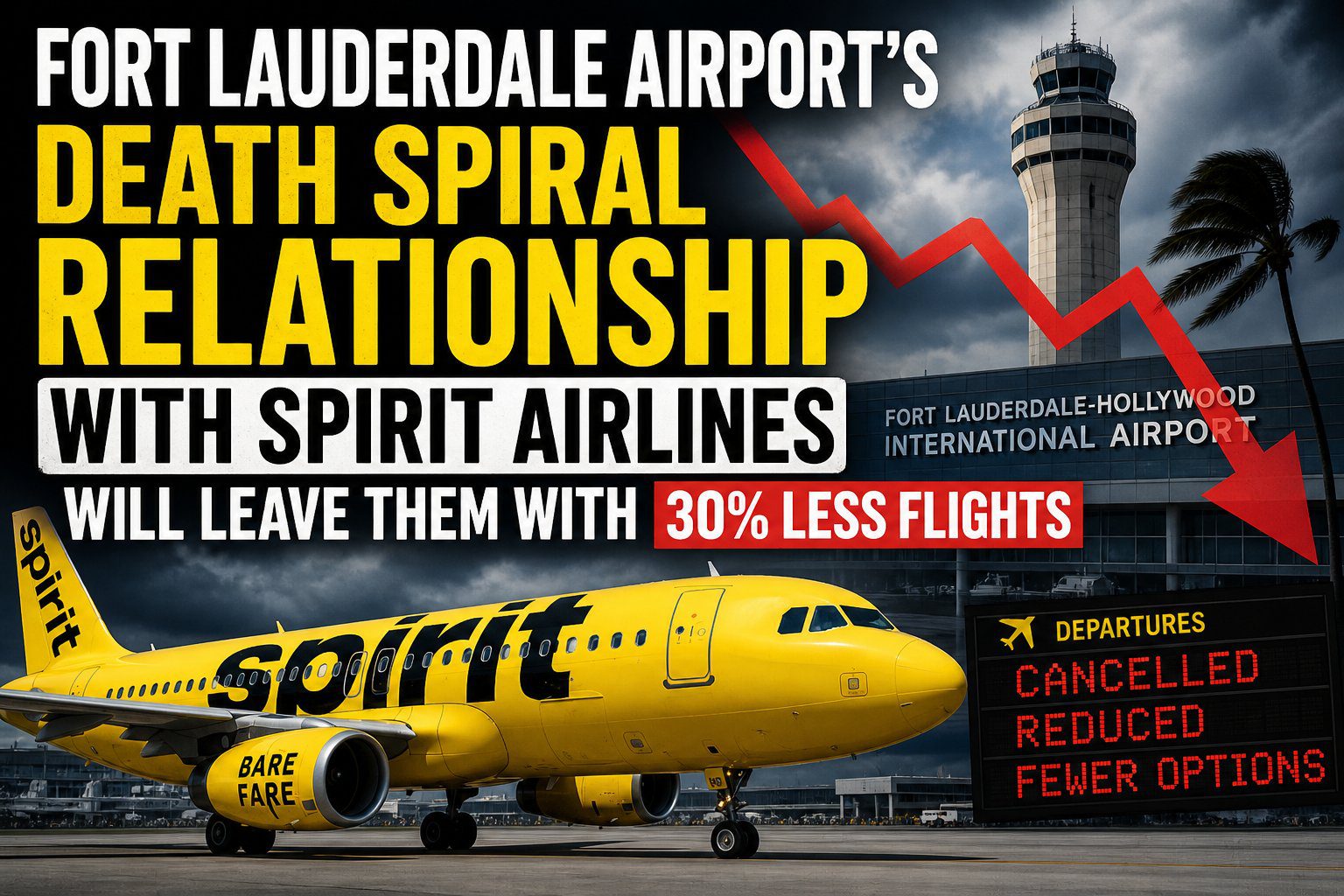
For years, Spirit occupied a strange place in American culture. The airline was routinely mocked for cramped seating, baggage fees, and customer service complaints, yet millions of budget travelers relied on it because legacy airlines often priced them out of flying altogether. Spirit officially halted operations earlier this month after financial pressures intensified following rising fuel costs and failed restructuring efforts. The airline had already endured years of instability, including failed merger attempts and bankruptcy proceedings. Its collapse left a major gap in the ultra-low-cost airline market, especially for working-class travelers and families seeking cheaper domestic flights. That economic reality helped transform the campaign into more than just meme culture. Online supporters framed Spirit as one of the last remaining affordable options in an increasingly expensive travel industry.
Experts Warn Viral Momentum Does Not Equal Viability
While the campaign’s numbers are eye-catching, there is currently no indication the pledges represent legally committed funding or institutional investment. Aviation finance experts note that even if the money were real and liquid, reviving a collapsed airline would likely require several billion dollars, not merely hundreds of millions. The movement also raises broader questions about the power and volatility of internet-driven finance campaigns. In recent years, online communities have demonstrated the ability to influence markets, rescue struggling brands, and generate massive speculative movements almost overnight. But viral enthusiasm can evaporate just as quickly. Researchers studying digital amplification and online behavior have repeatedly warned that social platforms can rapidly inflate narratives and create distorted perceptions of legitimacy or momentum.
The Internet’s Strange Relationship With Corporate Failure
The Spirit phenomenon also underscores a growing trend in internet culture: turning corporate collapses into participatory entertainment. Brands, influencers, and ordinary users increasingly treat bankruptcies, shutdowns, and financial crises as social media events. In Spirit’s case, the airline’s downfall generated memes, tribute videos, crowdfunding campaigns, and marketing stunts from unrelated companies attempting to capitalize on the moment. The result is a surreal blend of economic anxiety and digital spectacle where online attention itself becomes a form of currency. Whether the Spirit campaign ultimately fades or evolves into something more serious, it has already exposed a deeper truth about modern America: millions of people feel economically squeezed, deeply cynical about corporate consolidation, and oddly nostalgic for even the most dysfunctional affordable services once they disappear.































Want to join the conversation?
Create an account or sign in to share your thoughts, vote,
and reply to other readers.
Showing 0 of 0 comments
Don't have an account?
Already have an account?