
The Real Scandal Is Not Just An Israeli Spy Story
It’s Media Power, Political Access, and a Public That Keeps Getting Played Story…
Larry Ellison’s multi-million-dollar support for pro-Israel causes is beyond well documented. His relationship with Benjamin Netanyahu is also well established. Oracle leadership has publicly aligned itself completley with Israel. And through Skydance, David Ellison his son now sits atop a media structure that includes CBS News and CNN, two of the most influential broadcast institutions in the country. That is not speculation. That is the foundation of our new U.S. media reality.
Documented Influence: Money, Politics, and Alignment
Ellison’s role is not subtle or behind the scenes. He is one of the most prominent American donors connected to Israel related causes, and Oracle’s leadership has reinforced that alignment in public statements. CEO Safra Catz made clear that support for Israel is not just tolerated within the company, it is part of its identity. Ellison’s proximity to Netanyahu goes beyond shared views. Reporting has confirmed direct personal access, including high level interactions during politically sensitive periods. Other claims, such as a reported offer of a corporate board seat, remain unverified in official filings, but even without them, the level of access is significant.
“This isn’t about proving control. It’s about recognizing proximity to power at a scale that demands scrutiny.”
The Media Power Shift: From Ownership to Influence
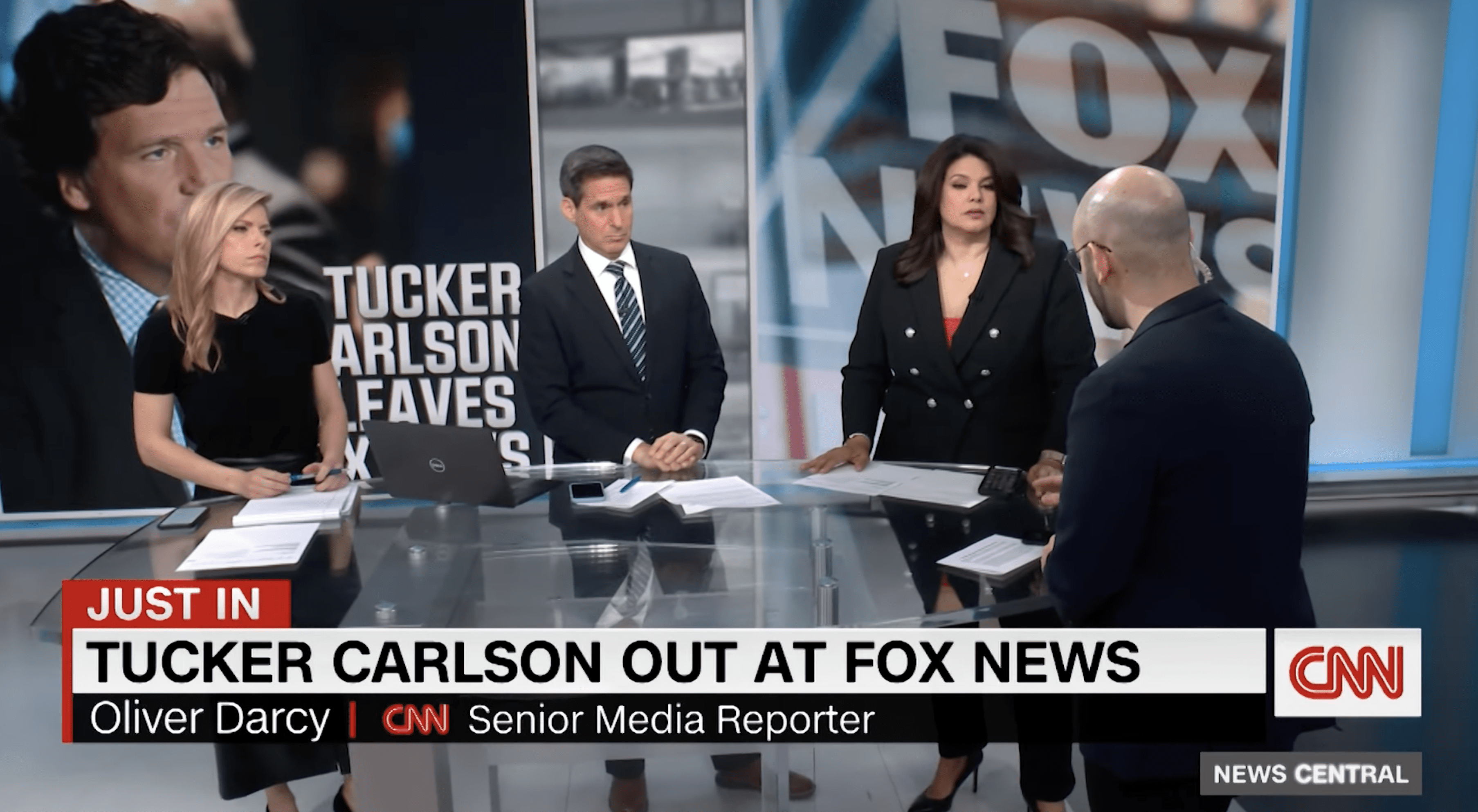
The real shift is happening in media. Through Skydance’s acquisition of Paramount, David Ellison now controls CBS News. That alone would be a major development. What followed made it more consequential. Paramount moved to acquire Bari Weiss’s media company and elevate her into a leadership role within CBS News. Weiss is not a neutral newsroom operator, she is an opinion driven figure with a defined ideological perspective and a national platform built on challenging legacy media institutions. Her placement at CBS signals more than a staffing change. It suggests a directional shift in how one of America’s oldest news organizations may approach coverage, tone, and editorial priorities. Inside the newsroom, that has not gone unnoticed. Reports of internal concern, restructuring, and layoffs point to a network in transition.
“When ownership changes, coverage eventually follows. The only question is how far and how fast.”
Expansion Risk: When One Network Becomes Many
The implications extend beyond CBS. Ongoing efforts tied to acquiring Warner Bros. Discovery is bringing CNN into the same orbit. If that consolidation materializes, a single ownership structure would influence multiple major news platforms simultaneously. That kind of concentration is not illegal. But it is rare and it carries consequences. Media power at that scale does not require direct interference to shape outcomes. Editorial direction, hiring decisions, framing, and emphasis can shift the public conversation without a single explicit directive.
The Political Layer: Silence Is Part of the Story
What makes this moment more striking is not just who is gaining influence, but who is not pushing back. Donald Trump and other high profile political figures have spent years criticizing media bias and consolidation. Yet as one of the largest modern shifts in media ownership unfolds, there has been little visible resistance from those same voices. That silence matters.
“When a structural shift this large meets minimal opposition, it stops being just a business story. It becomes a political one.”
A billionaire with clear political alignments, documented ties to Israel, and a close relationship with its leadership is expanding influence over major U.S. media platforms, while American political leadership shows little visible resistance. At the same time, the United States is increasingly entangled in a widening regional conflict involving Israel and Iran, with American personnel already placed in harm’s way. The overlap between media ownership, foreign policy alignment, and political power is no longer abstract, it is unfolding in real time.
“When control of information, political influence, and military engagement begin to intersect, the consequences extend far beyond the news cycle.”
This is not about speculation. It is about concentration of power, and the lack of transparency and oversight surrounding it. If that trajectory continues, the risks are not limited to editorial direction or media bias. They extend to how wars are framed, how public consent is shaped, and how deeply foreign aligned interests intersect with American decision making. The question is no longer whether Israeli influence in our media exists. It is whether anyone is willing to confront it.












































Want to join the conversation?
Create an account or sign in to share your thoughts, vote,
and reply to other readers.
Showing 0 of 0 comments
Don't have an account?
Already have an account?